

Welcome to another issue of The Newport Cornucopia where we dig through the newspapers archives for interesting news articles and adverts. All articles are posted verbatim and most headlines are original (headlines in quotes are my own).

Professor Crocker's Performing Horses
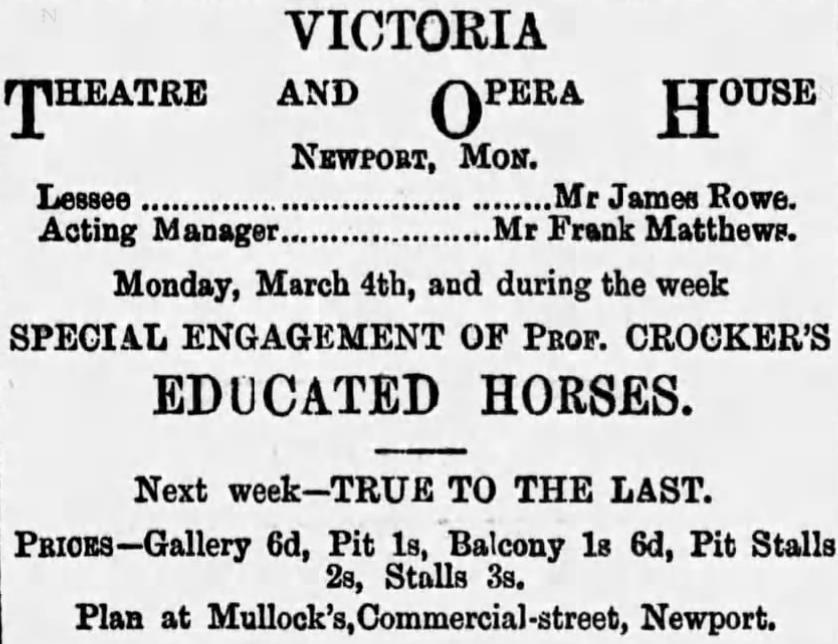
Professor Crocker with his troupe of educated horses opened a week's engagement at the Victoria Theatre on Monday evening, when there was a large house, despite the unpropitious weather. The animals, nearly a score in number, have been rained to a high state of perfection, and are as docile as kittens. They readily obey their master's commands, such as to bring him a chair, take away his coat, or bring him a letter. One of the horses, named Hugo, is able to distinguish colours, and at the request of any member of the audience will carry to his master either a white, blue, or red handkerchief as the command may have been.
The school exhibition, with which the performance opened, was very amusing, one of the animals erasing a wrong example from the blackboard with a sponge. The rolling of a barrel over a plank by Turk, and the joke played upon him by Alger also produced much laughter.

The court scene, which personated the trial of a prisoner, shewed, perhaps, the immense amount of care which must have been taken in the training of these animals. The night scene in camp, followed by a mimic battle, was also much enjoyed.
The exhibition all round is a remarkably clever one, and we can recommend it with all confidence to the patronage of the public.
— The Evening Star of Gwent, Mar 5th, 1889 (Subscription Required)
January Sales
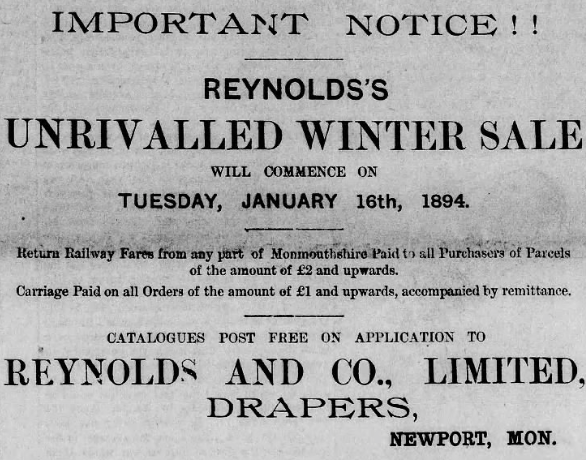

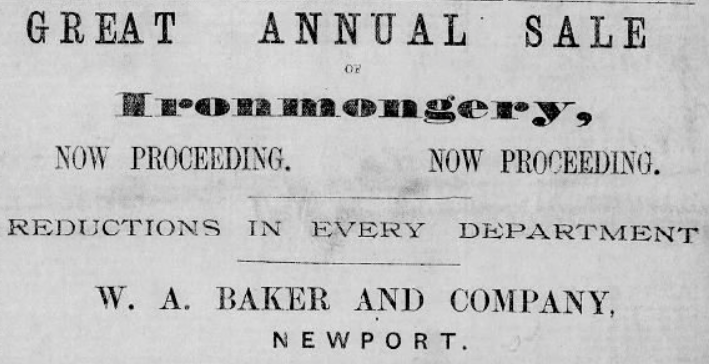
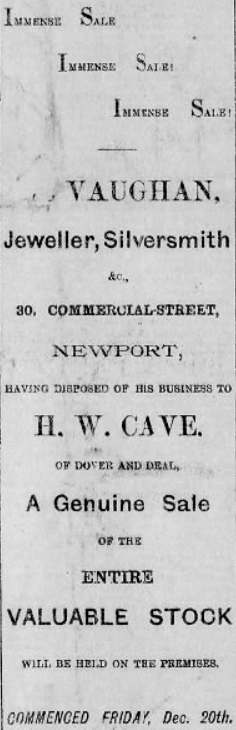
LATE 1890s adverts from the South Wales Weekly Argus
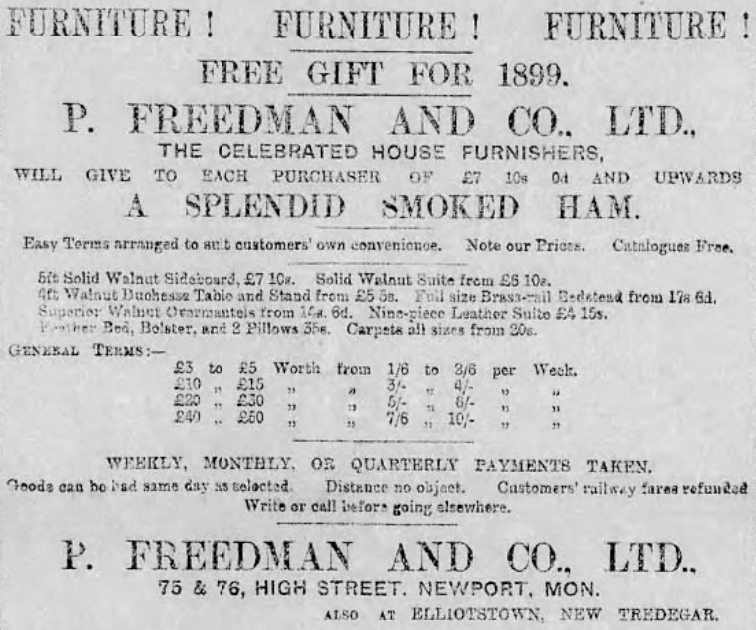
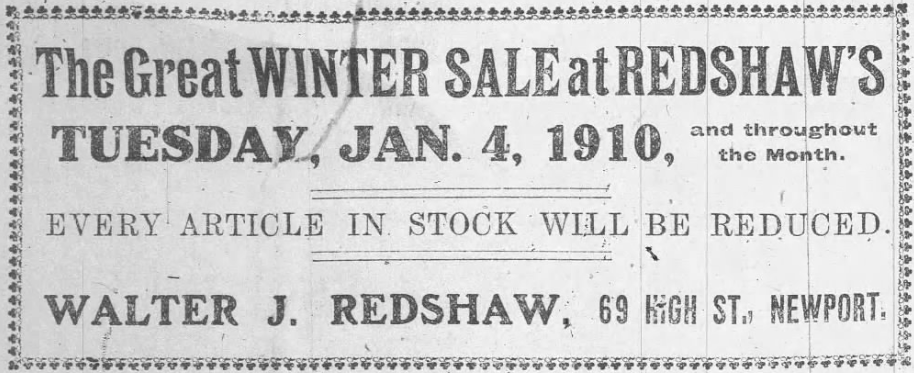
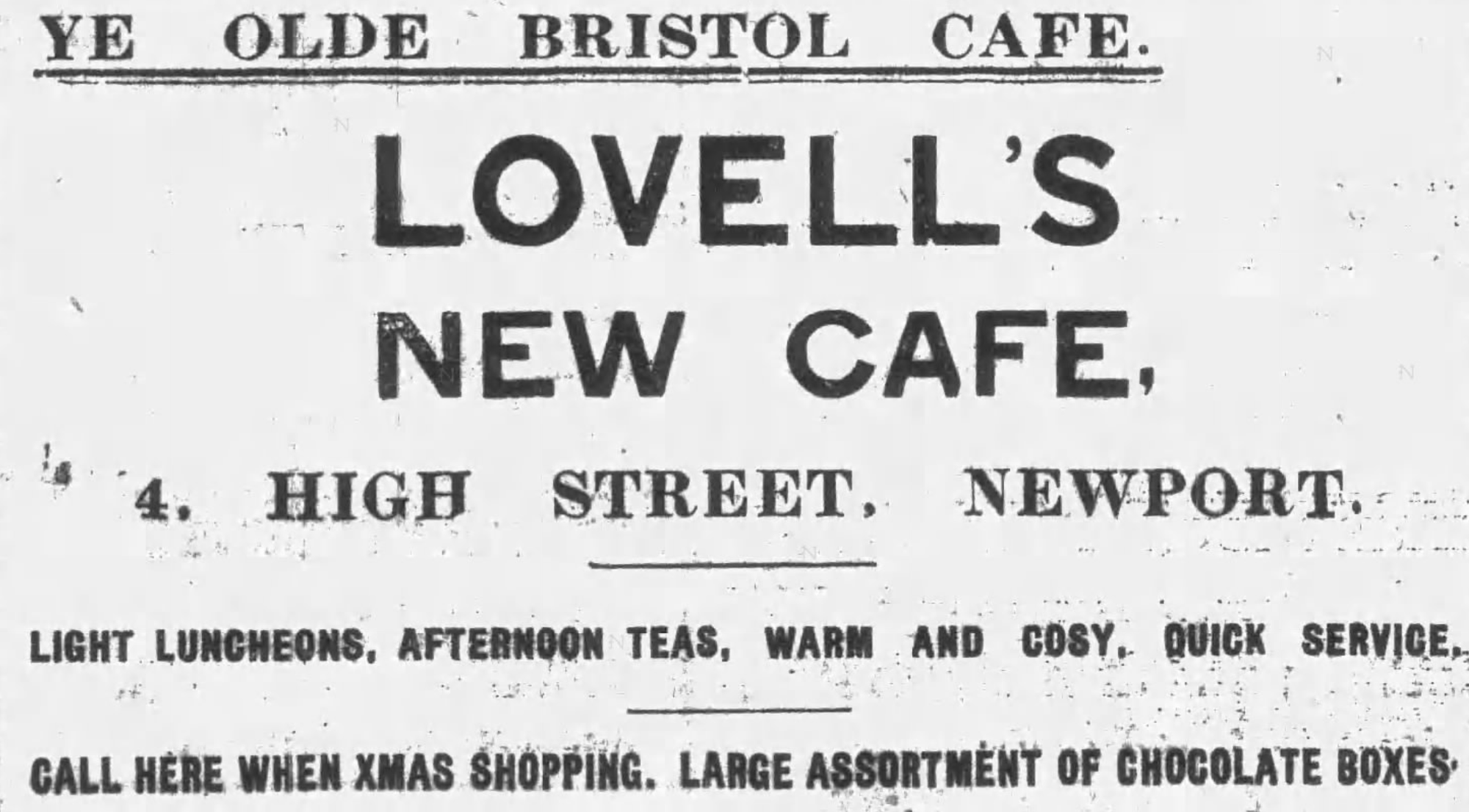
Much like today, January was a time for clearance sales and some shops would try and entice customers in with offers such as Reynolds's offering to pay for rail fare from any part of Monmouthshire if you spent £2 or more and Freedman offering 'a splendid smoked ham' for those spending more than £7 10s 0d on furniture.
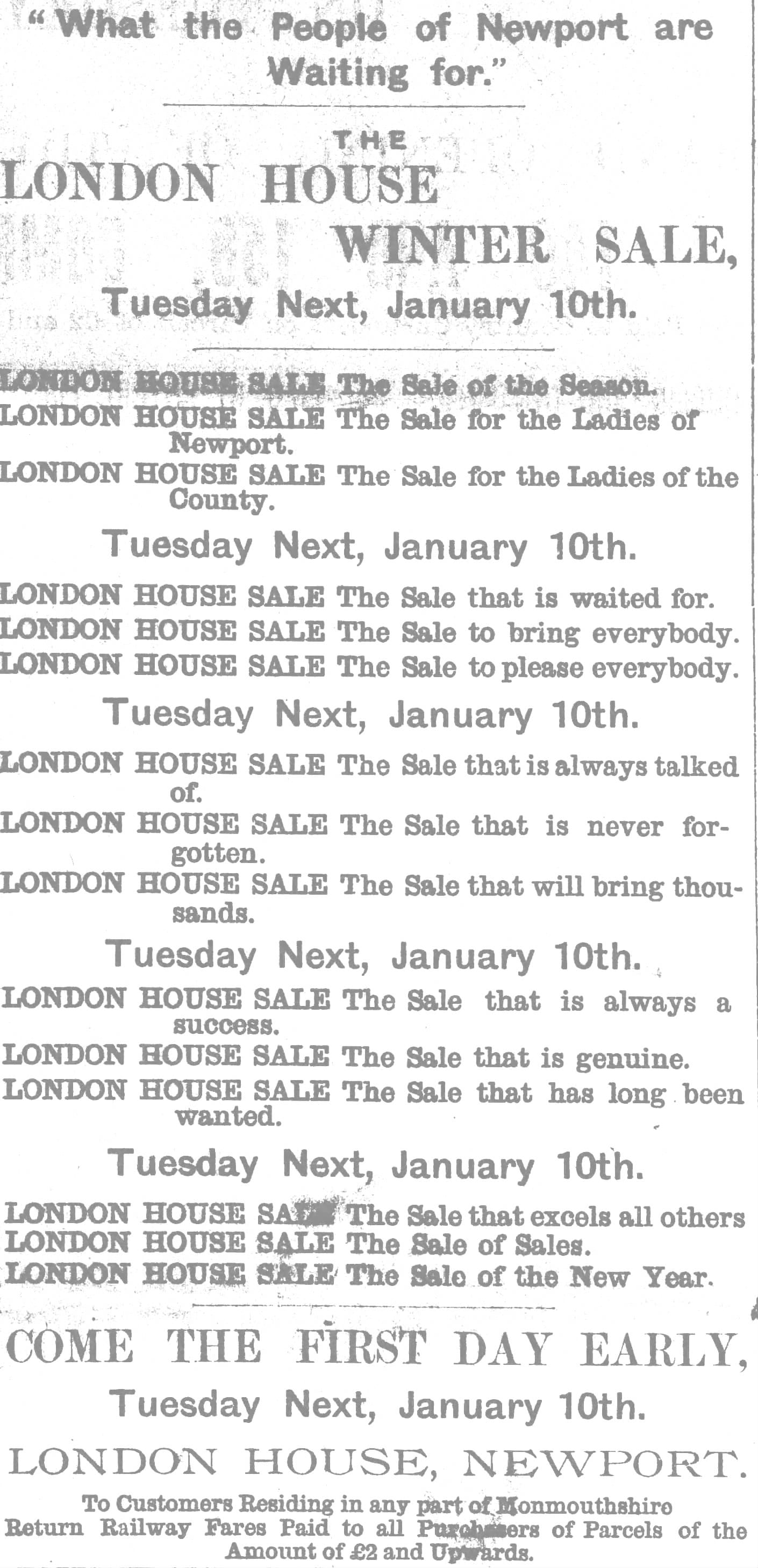
The London House Winter Sale in 1893 was 'What the People of Newport were Waiting for' and like Reynolds's, they were also offering to pay for rail far if you spent over £2.
Fire Brigade Work
During 1899 Newport Fire Brigade received 49 calls, as against 42 last year. This is the largest number of calls ever received by the Brigade in one year. The most serious fire was at 150, Dock Street (Messrs. E. A. Hammond, Ltd), and the other important fires of the year were those at Trinity Church, Pill; the Children's Refuge, Stow Hill; the Glass Works, Crindau; and Messrs. Morris and Dibble's Baltic Oil Stores. The total amount of loss at fires attended throughout the year was £2,862; the estimate risk £104,160.
The average time of attendance at fires which the Brigade has been engaged has been 49 minutes, 11 seconds, as against 1 hour 12 minutes, 32 seconds during the previous year.
The work of fixing the new electric fire alarms is proceeding satisfactorily. The postal authorities are proceeding with the line work, and Mr Haynes, the borough engineer, states that he expects the alarms will be completed by April next. The personnel of the Brigade remains practically unchanged, and discipline has been well-maintained throughout the year.
— South Wales Weekly Argus, 6th January, 1900 (Subscription Required)
'Hammond's Fire'
The fire mentioned in the article above was covered by the South Wales Argus on 27th May, 1899. Here is the account.
At 10.35 on Friday night, the Brigade had a big job on hand. A boy came running into the Central Fire Station with the news that Mr Hammond's corn and hay stores in Dock Street was on fire. The Brigade was at once called up, and the police communicated with, by telephone. Captain Lyne, Lieutenant Coulman and the whole of the Brigade mustered very promptly, and took out the hose tender, fire escape, and hose cart. On arriving at Mr Hammond's stores — a three storeyed building adjoining the Dock Street Congregationalist Chapel — they found the upper portion fully ablaze. They at once set to work affixing hose to four hydrants, two in Dock Street, one in Cross Street, and one on the corner of Fothergill Street.
Seeing that the building was doomed they mainly directed their efforts to preventing the flames spreading to the adjoining property, and in this they were ultimately successful. The premises of Mr Southall, printer and stationer, had a narrow escape, as they immediately adjoin the stores on the lower side, where the Congregational Chapel stands clear. The fire was discovered shortly after the last of Mr Hammond's men had left the premises, i.e. about ten o'clock. It was first noticed by Mrs Simmonds, wife of one of Mr Hammond's employees, who lives immediately opposite. Fortunately, six of Mr Hammond's men lodge in the same house, and when the alarm was raised they immediately set to work to get out the horses. These, to the number of fifteen, were in the stables at the rear of the stores. The men worked splendidly and to the admiration of the large crowd which by this time had gathered. All the horses were safely got out, although by this time the fire was burning fiercely overhead, and large pieces of burning material were falling on the lower floor.
On the arrival of the firemen and police further good work was done. The firemen and Mr Hammond's men entered the stores and pulled out a large number of bundles of hay. The Fire Brigade played on the burning building for about two hours, and some of the men remained on duty until eight o'clock this (Saturday) morning. The entire premises were gutted. Mr Hammond, who recently turned his business into a limited liability company, of which he is the managing director, states that the stock was insured. There was a large quantity of hay, straw, corn, and hops, with a number of mowing machines, cultivators, chaff-cutters, a gas engine, &c., on the premises, and all was completely destroyed, while the hay was so scorched as to be of no value. He (Mr Hammond) had been away for a few hours on Friday evening, and it was only on arriving home shortly before eleven o'clock that he heard of the fire.
Being in telephonic communication with the stores, he heard the girl talking at the instrument as he entered the house, and on going to the 'phone was told by his clerk that the stores were on fire, but that the horses had been brought out safely.
Mr Hammond at once rode down on his bicycle. He cannot give any estimate of the amount of the damage, but says it is considerable. In addition to the stock, the building which belongs wot Mr Henry Pickford, of Guernsey, is also insured. The Fire Brigade and Mr Hammond's men did splendid work, and valuable assistance was afforded by a force of police, consisting of Head-constable Sinclair, Inspector Evans, Sergts. Smith and Walker, and P.C.'s Probert, Bannerman, Cole, Cooper, Wilcox, Drewirr, Kinnersley and Griffin.
— South Wales Argus, 27th May, 1899 (Subscription Required)
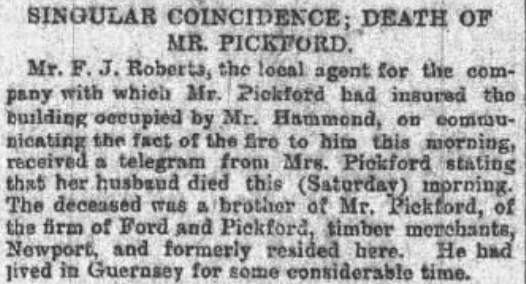
Strangely, when the insurance company of the building tried to contact Mr Pickford in Guernsey, his wife informed them that he had died on the Saturday, the day the fire put out.
Trotting Match
On Monday a trotting match for £30 a side took place on the Cardiff-road, between Mr. George Baker's (of Goldcliff) brown mare, and Mr. David James's (of Cardigan) chesnut mare, both being well-known in local sporting circles as remarkably fast trotters. The course was two miles, duly measured-from Coedkernew to Ebbw Bridge, it having been arranged for James's mare to have a start of 200 yards, on account of her being aged. She was ridden by the owner, and Mr. Thomas Price, of Goldcliff, rode Mr. Baker's mare. Several hundreds of spectators congregated along the road, and the betting was pretty even, but in many instances seven to five was laid in favour of Mr. Baker's mare, that had in appearance a striking advantage over the aged chesnut, which seemed to be out of condition and rather scraggy. She, however, compensated in speed for her poor appearance, and won by a length or two, after a remarkably well-contested race.
— Monmouthshire Merlin, 6th January, 1882

Destruction of Premises in Commercial-street
THRILLING SCENES
Valour of the Police and Firemen; Interview With the Rescued Persons.
Scenes of the most thrilling nature were witnessed in Commercial-street, Newport, early on Sunday morning. Never, perhaps, in the history of the town has anything so dramatic and exciting been seen as the rescue of four persons from the fire which broke out just before one o'clock on Sunday morning in the business premises in Commercial-street occupied by Messrs Sharpley and Pritchard, milliners, of Newport and Cardiff. The inmates of the establishment, consisting of Mr Pritchard, the junior partner of the firm (whose wife and young child are fortunately away at Hereford); Mrs Craddock, of Swansea; Miss Bedford, of Kidwelly, Carmarthen, assistants; and the servant, Rose Jackson, whose home is at Bridgend, had retired to rest late on Saturday night, Mr Pritchard being the last. This gentleman had only been ensconced in his room when in a few minutes to one o'clock he became aware of the fact that
THE PLACE WAS ON FIRE
below stairs. He rushed to the landing outside his bedroom, and was met by a volume of smoke. At the top of his voice he shouted “Fire, fire,” and quickly aroused the servant who was sleeping in the best room on the same level, the third storey. The servant tumbled out of bed, and rushed madly across the landing to Mr Pritchard’s room, without stopping to put on a single garment and she, with her employer, who had managed to scramble into some of his clothes, hastily threw up the window and
STEPPED OUT ONTO A NARROW VERANDAH,
which fortunately ran along beneath his window and past the front of the next two houses—Messrs Oliver’s and Garratt and Atkins’. Their safety for the moment was, therefore, comparatively assured, but what of the two women left in the house? To them the cry of “Fire” had seemed their death warrant. All hope of retreat or escape appeared hopeless. They were sleeping in a back room, and as, in their nightdresses, they made a dash across the head of the stairs to the front room as their only possible hope of being rescued, they had to beat their way through the clouds of smoke that were rolling up volume after volume, from the blazing rooms beneath. Flinging up the lower sash of the central window they looked out into the street. Not a soul could be seen who could render any assistance. In fact it was with difficulty that any object in the street could be ascertained at all, as a terrific storm of snow and sleet was raging at the time, and the wind was blowing half a gale from the north-east. Fifty feet above the pavement the two women stood side by side at the open window, beyond human aid apparently, and with no other prospect than the immediate and certain one of being burned to death in their trap. In their despair they sent up
PIERCING SHRIEKS,
screaming at the top of their voices for help. The two on the ledge below also joined in the cry for assistance, and fortunately it was heard by three or four persons. So loud, indeed, were these appeals uttered that Police-sergeant Williams away at the top of Stow-hill, near the Six Bells public-house, heard them and hurried to the scene. But a man who was passing along Commercial-street at the time was probably the first to ascertain what really had happened. P.C. Butler also was in the street, opposite the London House, when he heard the frantic voices calling piteously for help. He hurried along in the direction whence the sounds came, and saw at once the gravity of the situation, and shouted to the panic-stricken inmates that he would fetch the fire escape. Rushing down Corn-street, he burst into the police office, and acquainted Inspector Brooks and P.C. Bush with what had occurred. At once the fire alarm bells communicating with the officers’ and men of the fire brigade were set going, and the inspector and sergeant, with P.C. Butler, dashed across the road to the fire brigade station and brought out the small escape and hose reel. P.C. Bliss and some other men followed with the large escape and were eagerly brought into Commercial-street, and the former placed against the burning building.
When first discovered by P.C. Butler little or no fire was discernible, but volumes of smoke, which accentuated in the fact that the origin of the conflagration must have been in the rear of the premises. By this time, however, the flames had made their appearance in the front, and were licking the light woodwork of the premises and the window-curtains, with which the shop and showroom were filled, in their rapid career upward and outward towards the street. The escape was put to the wall of the house, but, alas, it was found to be too short by many feet, and the last spark of hope in the hearts of the two women died out.

THE SCENE WAS SUFFOCATING,
filling the room upon the window sill of which they were sitting in their night dresses. Despite the fact that the snow was whirling around them, mingled with sleet, they felt scorched by the fierce heat from the fire below. Then, between the hurricane gusts of the storm, making an occasional clearing in the smoke which enveloped the upper part of the building the small crowd that had assembled below witnessed a dramatic incident. Miss Bedford, driven to the last extremity by the fierceness of the heat within prepared to make...
A LEAP FOR LIFE.
She called out to those below that she could stand it no longer, and was going to jump to the street. “For God’s sake, don’t,” was the cry from below, for had she followed out her intention she must to a certainty have been dashed to death on the hard pavement. The woman was checked in her intention, but only for a moment. A new idea came into her head. Why not drop on to the escape placed 12 feet below and trust to Providence to steady her footing that she might not topple over the frail iron protection when she landed on the top? No sooner had she thought than she acted, but was saved by means of the escape. Not a moment was lost in putting her thought into effect. While the people below shuddered she was:—Through the open window clambered the woman on all fours; another moment she was hanging by her hands from the window ledge. For a moment the terrified woman hung thus, her hair and night attire being wildly driven in all directions by the fierce wind, and then...
SHE LET GO.
Faulkner was happily successful in catching her. Miss Bedford was safe, and retaining her presence of mind, she made her way along the balcony to the front of Garratt and Atkins’ drug store, where Mr Pritchard and the servant had already preceded her. But there was yet another to be brought down to a place of safety. The escape was rendered even more hazardous as the fire spread rapidly to the terrified woman at the fourth storey window. Like her companion, she could bear the heat no longer, and prepared for the arrival of the big escape, she cried,...
“QUICK, QUICK, QUICK; I’M BURNING, I’M BURNING.”
Miss Bedford is rather slimly built, but Mrs Craddock is a fairly heavy woman, and her position and chance of escape by dropping into the officer’s arms was rendered more hazardous on this account. Yet the venture must be tried, for it was the only chance of escape. Once more the crowd watched with bated breath the repetition of the method of Miss Bedford’s escape, and a great expression of relief was uttered when it was seen that the woman had safely dropped into the arms of the officer, who was assisted in both his attempts by Engineer Tothill and Sergeant Brooks. The large escape, however, had not yet arrived, news of the latter being on the spot some five minutes of the alarm having been given. Engineer Tothill being the first to arrive. Mrs Craddock was brought straight down the escape carried in front of the brace. And...
NOT A MOMENT TOO SOON,
for as the men got her to the ground, the large glass panel in the bow window of the dressing room, beneath which some of them stood out, spanning the pavement and licking at the ladder of the escape. A few seconds afterwards and the big plate windows of the shop reached with the heat, fell apart, and the large windows of the showroom followed. Before long before given way, the house became simply a furnace in which the flames leaped and roared.
By this time the persons at the end of the balcony had gained the street by means of the ladder, Miss Bedford climbing down assisted, and had been conveyed across to Mr J. H. Davies’ shop, Mrs Craddock was wrapped in a blanket, and taken to the Old Dock inn, where Mrs Randall carefully and kindly tended to her. In a short time she went along and joined her fellow sufferers at Wesley Buildings. Dr Gratte and Dr Hamel were fortunately on the spot, with Dr Ensor, and rendered every assistance to the three people, who were suffering severely from the effects of heat and cold; besides being in a state of complete nervous exhaustion and shock. The servant indeed was in a pitiable condition. Once in a place of safety she swooned away, and was...
UNCONSCIOUS FOR NEARLY TWO HOURS.
At one time it seemed as though the shock would prove too much for her, but after spending the morning in a comatose condition, she gradually recovered her composure on morning broke.
To revert to the story of the fire, Head-constable Sinclair and Inspector Brooks were on the spot organizing the splendid efforts put forth to keep the fire from spreading. All the brigade were present, Captain Lyne being out of town. Lieutenant Comins... [text obscured] had not having heard the signal. But Foreman Bowden took charge, and his efforts were ably supported by Engineers Tothill and Serjeant Clades and Evans; eighteen men of the brigade had put in an appearance several hose connections were made, and streams of water were played onto the lower parts of the building. But within about twelve minutes of the brigade’s arrival, the roof had caught, and all the efforts of the hose with the hydrant force were simply useless to arrest the progress of the flames. It was, indeed, a matter of the greatest difficulty to play upon the fire, as the snow and sleet, which carried the water away like so much spray. It was found that the force from the hydrant was unable to carry the water any higher than the third storey, and constantly the firemen assumed. Meantime the large escape, which had arrived too late for rescue purposes, was turned into a water-tower, a man going up to the roof of Oliver’s as a backbone, and the men were then able, through it was a risky business, to pour water down into the blazing mass. When the steamer arrived a couple of branches were attached, making 10 or 11 in all playing upon the building. The effect of the steamer’s effort was instantaneous. The force of the fire was at once checked. But it was too late to save anything, and, in fact, the efforts of the firemen, who...
WORKED GALLANTLY
throughout the fierce storm, wet through, and chilled to the bone, were directed not so much to saving the burning premises as to adjacent buildings being enveloped in the flame. It is a marvel how this was accomplished. The construction of Mr Oliver’s premises inside as to a great amount of wood, and would have scorched and burned like tinder had the heat caught them. The efforts of any single body of men would have been a task of saving Messrs Queen and Atkins’ chemist and druggist stores, in which it is said is a considerable quantity of explosive and flammable material, succeeded wonderfully in that direction. Had the fire promised caught fire must have been disastrous, not only to the block, but to the neighborhood; and it would have been a miracle if unattended with fatal results. As it was, the firemen succeeded in confining the conflagration out by about three o’clock, and they are highly to be complimented upon their brave and strenuous efforts to save the adjoining property. Mr Oliver’s manager, Mr J. G. Wilkins, who lives in a portion of the terrace, was called about twenty minutes past one, and was quickly upon the scene. There was no need, however, when he arrived, for any efforts to be made to still his stock, which was not reached even by fire, but slightly by water. When seen by an Argus representative on Sunday morning he was very loud in his praise of the fire brigade for the exceedingly clever manner in which they prevented the premises from catching fire, with the wind blowing right into them. As the fire spread to Mr Oliver’s hosiery shop, and though the tendency of the flames was in this direction, it was thought desirable to place the most valuable of the plates and jewellery in the shop into fire-proof safes. This Mr Simmons, at usual, set to work with two helpers, and it is in the mezzanine Mrs Simmons with the five children, and her blind mother, very aged, and much perturbed at the moment’s danger, made their escape from the back, thence to Mr Collins at the Town-hall, but subsequently when the fire was mastered, returned to their own house.
THE RESCUED PERSONS INTERVIEWED.
An Argus representative interviewed the rescued women in Wesley Buildings. All three had been most carefully attended by the assistants, who had kindly provided them with warm clothing, and washed and nursed them until, for the time, at least, the fire had left its mark upon them. Miss Bedford was visibly pale, and occasionally a tremor ran through her frame as she told the story of her escape. As for the servant, Rose Jackson, she was much more nervous, and it was with difficulty she could compose herself to make an occasional remark as to the night's adventures. Mr Pritchard had gone to Cardiff by the two o'clock night mail, in order to consult his partner of the firm as to the steps to be taken. In his absence Miss Bedford said: The very first thing I knew of the affair was Mr Pritchard calling from the landing below,
"FIRE, FIRE."
This was just about one o'clock. Mrs Craddock and I were sleeping in the back room at the top of the house. We immediately got up, and made our way to the front, and throwing up the window, screamed for help. We were suffocated almost, for the rooms were filled with smoke and the flames were making their way up towards us. There we sat at the window, waiting for the escape, which seemed never to be coming. At last
I FELT THAT I MUST JUMP
to the street. I could hear it no longer. Somebody cried out to stop me, and then, hanging from the window sill, I dropped, and the policeman on the ladder caught me. I went along the verandah to the other end and climbed down a ladder to the street. My hand, as you see, is burned slightly, and as I was coming down the ladder, a policeman or fireman who was following me, said as my fingers... [text obscured]. When I got to the street, a soldier, he was a kind fellow, wrapped his great coat about me, and then I was taken to the Old Dock inn. When Miss Craddock dropped as I did, she was caught by the policeman. She, however, was carried straight down from the verandah by means of the escape to the street, and taken to the Old Dock inn. Miss Craddock came out at the same time. I have lost everything I had in the place, including a valuable gold watch and chain my mother gave me a short time ago.
THE SERVANT'S STORY.
Rose Jackson was awakened by her sister, who was sleeping with her. They both rushed into the front, where she made her escape via the verandah. She, too, had lost a gold watch among her effects. And Mrs Craddock had to bewail the loss of a 25-guinea antique jewelry.
As already stated, Mrs Craddock and Miss Bedford were away in Cardiff with Messrs Sharpley and Pritchard, who had made comfortable arrangements for them. In the morning Miss Bedford had telegraphed to her home at Kidwelly, but was surprised on receiving a telegram sent to Newport, stating that she herself was coming home. This so alarmed her relatives that by an early train her brother came up to Newport and ascertained that no harm had come to his sister in the street.
DR. GRATTE INTERVIEWED.
Dr. Gratte was interviewed on Sunday night. He said his patients had done splendidly. Miss Bedford had suffered from severe shock, and the servant was very much shocked. "I happened to be just attending a case," said the doctor, "and was rounding the top of Charles-street, having just said 'Good night' to Mr Bassett, when now and then the occasional fall of the street, I could hear four frantic screams. I rushed in the direction of the sounds, and got into Commercial-street, but at first could see nothing, the snow and smoke were so blinding. Then three continued the...
MOST RECOILING SCENES
I have witnessed in all my life." Dr. Gratte then spoke of the bravery of those who escaped through the window, as described above. Continuing his visit and this was an opinion expressed in other quarters also, "They ought to have put on the steamer sooner. Some of the police and myself and others wanted them to do so, but they shook their heads for a bit before they got it into work. Then the large fire escape ought to be in a public position. I went with others to get it, and we had to go through a door and across a yard in the darkness, calling out for lights to find it and our way, and all the time it was wanted. The escape ought to be kept where anyone could get at it in a case of emergency."
EXTENT OF THE DAMAGE.
The premises presented a terribly wrecked appearance after the fire had done its work. With the exception of a part of the flooring of the drawing room, the place was completely gutted. Nothing but the tables, baskets, chairs, boxes, and charred articles of use in dining, sitting, and bedrooms were lying about in complete confusion. The block belongs to Mr J. H. Davies, and was built some five years ago according to the plans of Mr J. H. Davies' eldest son, then architect. They are built on the fire-proof plan, with matchboarded walls, and are quite a skeleton of woodwork. When once a fire gets hold of such premises it is almost a work of impossibility to keep it in check. No fair estimate can yet be given as to the damage to the property, but it must inevitably been great both as to what amount the property was insured.
Much credit is due not only to the firemen and police, but also to many of the bystanders, who assisted in a hearty manner to do what they could. Among others should be mentioned Dr. Gratte and Mr David, of the Old Dock Hotel, who worked like Trojans.
Great Treat at Newport
Annual New Years treat to the poor children of Newport was given the Drill-hall, Stow hill, Newport. Never bean more successful. An immense body of workers met at the hall; which was besieged by hundreds of children, and these were admitted about one o'clock. They sat down to a splendid dinner, and thoroughly enjoyed their roast beet and plum pudding.
After dinner, while the hall was being cleared, the youngsters were entertained by a Punch and Judy show, which made its pitch on steps of the Stow hill Board School; and in the afternoon an entertainment was given in the Drill hall by members of the Empire company and others.
Tea, was served in the different and in the evening entertainments will be given in the Drill-hall and in the Temperance-hall. A full descriptive report will appear tomorrow.
— South Wales Argus, 1st January, 1896 (Subscription Required)
The full report did appear the next day and in total 920 children attended out of 1,750 tickets issued.

Begging
Michael Toomey was charged with begging in Clytha Park on Christmas morning. When apprehended, he had 2s 41/2d in coppers on him. Defendant entered into a long argument with the Court as to his offence, which ended in his being committed to Usk for seven days.
— South Wales Weekly Argus, 5th Jan, 1895 (Subscription required)
Drunk
William Gritton, of Caerleon, for being drunk and disorderly in Griffin-street, on Christmas Eve, was fined 5s, or seven days. Margaret Haggerty, for being disorderly in Commercial-road, was fined 5s. Louisa Harvey was a fined a like amount for being drunk on Newport Bridge.
— South Wales Weekly Argus, 5th Jan, 1895 (Subscription required)
'New Year's Lock-in in Baneswell'
Margaret Brettell, who keeps the Prince of Wales beerhouse, St. Mary-street, was summoned for having her house open for the sale of drink during prohibited hours. Mr. Belcher appeared for the defendant. Shortly before two o'clock on Sunday morning P.S. Brooks saw some people leave defendant's premises, and he immediately walked up to the house when he heard the sound of singing and dancing.
The sergeant knocked at the door and was admitted by defendant. There were both men and women in the house, and Mrs. Brettell stated that they were there as her guests, watching the New Year in. She refused to clear the house, and spoke in a most offensive manner to Brooks, saying, among other things, that he was drunk. After quitting the house the sergeant heard a quart of beer called for, the demand being followed by the working of the beer-engine. It was nearly four o'clock when the "party" broke up.
John Niham, a tailor, living in Edward-street, was examined on behalf of defendant. He deposed that he was one of those at the Prince of Wales on Sunday morning, Mrs. Brettell having invited them to see the old year out, as she had done in previous years. He swore that none of the drink consumed was paid for. The Bench dismissed the case, but censured defendant for her display of temper towards Sergeant Brooks.
— Monmouthshire Merlin, 6th January, 1882
'Drunk on New Year's Day'
Jeremiah, Creamer, landlord of the Harp and Shamrock beer-house, Commercial-street, was summoned for permitting drunkeuness. Mr. Belcher defended. P.S, Brooks and P C. Pym visited the house in question on the 1st instant [New Year's Day], and found there a woman, named Hannah Wade, in a state of intoxication. The police called the attention of defendant to her condition, and he at once said that she had not had anything to drink. Wade was put in the witness box to give evi dense against the defendant. She deposed that she went to the Harp and Shamrock when tipsy, and was served with drink, but who supplied it to her witness could not tell.
Mr. Belcher having addressed the Bench, defendant was sworn and deposed that he did not know Wade was in his house until the police pointed her out to him. He immediately requested her to leave, and she did so, walking away quite steadily.—The magistrates gave defendant the benefit of a doubt which they entertained, and the summons was dismissed on payment of costs.
— Monmouthshire Merlin, 6th January, 1882
'Killing a Neighbour's Cat on New Year's Eve'
John Carney and Ellen Moore were charged with assaulting Julia Casey. The prosecutrix lives in Pyne's Court. On the 24th ult. she took out a summons against Ellen Moore, for an assault, but at the request of the latter the hearing was adjourned. Mrs. Moore, however, continued to annoy Mrs. Casey, and...
...on New Year's Eve killed her cat, stating that she intended to cook it for dinner next day.
Not content with this, on Monday the two prisoners, who are mother and son, attacked the prosecutrix, and after Moore threw her down she was kicked by Carney. Prosecutrix therefore obtained a warrant and had them taken into custody. They denied the assault and called witnesses, who contradicted the evidence of prosecutrix as to what was said to have taken place on the 2nd inst. But the Bench believed the story told by the prosecutrix, and sent the prisoners to gaol for seven days with hard labour. The prisoners are both old offenders.
— Monmouthshire Merlin, 6th January, 1882
'The Whistler'
William Morgan, alias The Whistler, was charged with being drunk and incapable. Mr. Gretton, manager of the King's Head Hotel, said the defendant was in the habit of going on the King's Head premises when he was drunk, and creating a great annoyance. The defendant promised not to offend again, and was liberated on payment of a fine of 5s.
— Monmouthshire Merlin, 2nd January, 1869
An Eight Christmas at the Treadmill
Habit is said to be second nature; and all who dwelt for a moment on the careless expression of the face of the prisoner now brought up, would think the circumstance of being placed at the bar, and located for a season on the treadmill, were as necessary to his existence, as the habit of eating and drinking.
William Williams was charged with having assaulted P.C. Harlow, No. 8, at the Hare and Greyhounds on Christmas Eve, whilst in the execution of his duty. After evidence had been adduced, the prisoner was asked bow many times he had been in gaol, to which he replied, with exceeding carelessness — "What, I don't know, I'm sure maybe once or twice, p'raps."
Mr Hopkins stated that be had already visited Usk Gaol once every Christmas, during the past seven years, besides occasional flying summer visits.
Fined 10s., and the usual costs, or be imprisoned fourteen days in the House of Correction, with hard labour.
— Monmouthshire Merlin 2nd January, 1841
'A Hungry-Looking Sinner'
Samuel Parsons, a hungry-looking sinner, with red hair, was charged with making an attempt unjustly to abstract from the possession of Mr. Bowen, mine host of the Ship on Launch, on the evening of Christmas Day, a noble and most tempting leg of mutton. lt appeared that Parsons was inordinately greedy after the good things of this Epicurean world; and feeling his olfactory nerves tormented by the redolence of Christmas fare—roast beef and plum pudding—so plentifully scattered on the merry 25th, he grew eager to participate in the jovial feasting, and wandered silently into the passage of the Ship on Launch, and eagerly grasped the unresisting leg, which he was about to beat away with hungry triumph, when—poor luckless wight!—an envious bell that hung close by, was suddenly "agitated," and Sarah Green, with what is technically termed a "gimlet" eye, ran hastily out, as a waiting maiden ever should, and saw with affright the leg of mutton trotted away in the company of the defendant. With wonderful alacrity, the owner of the "gimlet" optic aforesaid, suddenly pounced upon the fast-receding leg, and once more placed it on the hook.
Mr. Bowen was immediately sent for, and the red-haired prowler, with eyes and smell and taste thus unkindly mocked and disappointed, was suddenly shut out from the joyous feasts of Christmas, and consigned to the unmelting (sic) rigidity of Mr, Superintendent Hopkins and his gloomy lock-up. The prisoner pleaded that the leg of mutton met him in the passage, as he was entering the house "just fer summut to drink and that when honestly bearing the truant limb to the kitchen, he was taxed with robbery. The Mayor, without regarding the prisoner's claim to the warm gratitude of the prosecutor, committed him for trial at the Sessions.
— Monmouthshire Merlin, 2nd January, 1869
Drunkenness Stats of 1889
A report in South Wales Daily Times and Star of Gwent in September, 1889 provides some statistics of the people prosecuted for drunkenness.
The number of persons proceeded against for drunkenness was 415 — 303 males and 112 females — an increase of six as compared with last year. Of those proceeded against 46 lived in Newport, 32 in Monmouthshire, 14 in Glamorganshire, 9 in Ireland, 33 in other places, and 81 had no residence. Forty-six were found drunk on Sunday, 73 on Monday, 56 on Thursday, 49 on Friday, and 105 on Saturday.
The class of persons proceeded against was — labourers 112, seaman 49, firemen 26, drovers 6, engineers 8, hauliers 6, cabdrivers 5, carpenters 5, soldiers 5, tailors 5, &c., &c. Married women 52, prostitutes 34, single women 9, widows 9, and tramps 8.
— South Wales Daily Times and Star of Gwent (Subscription Required)

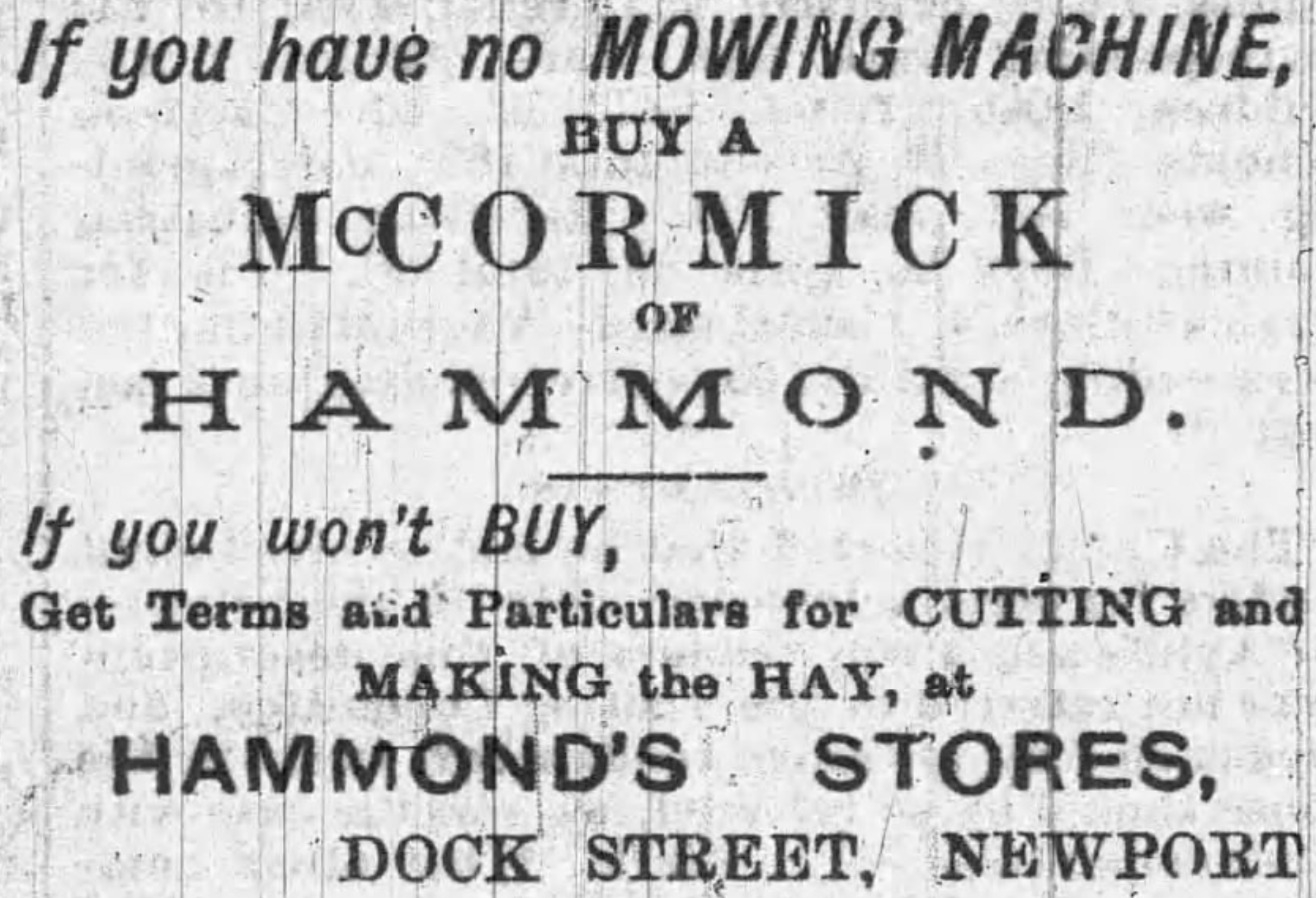
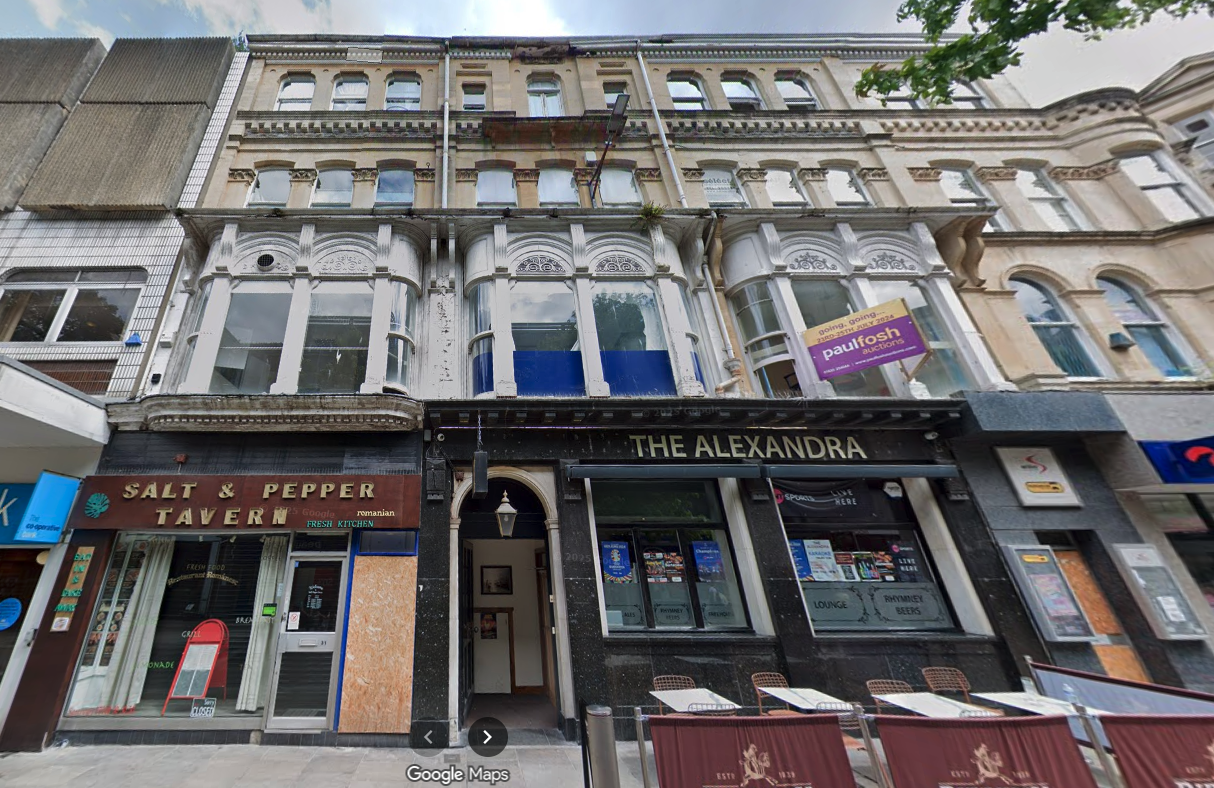
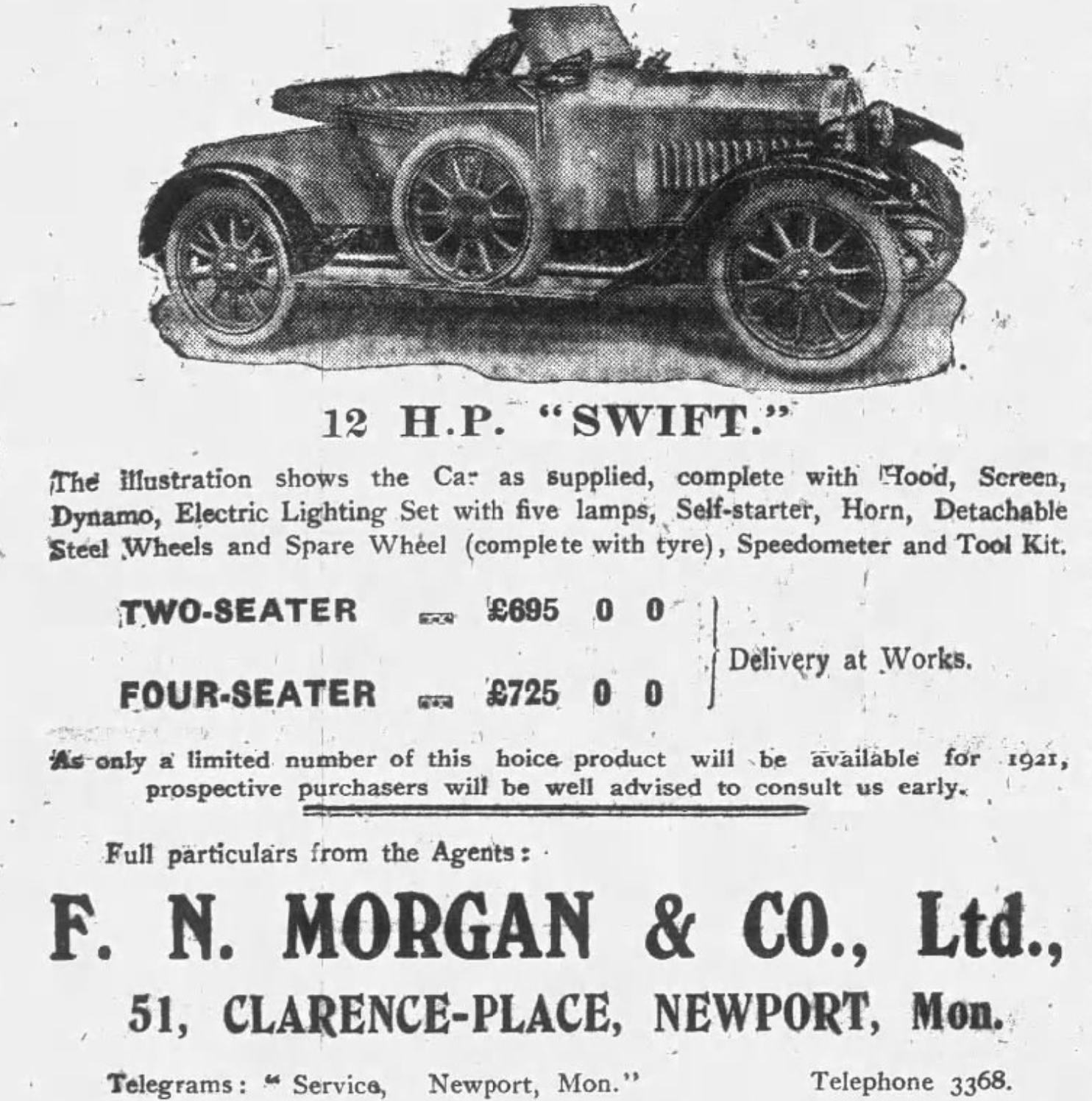
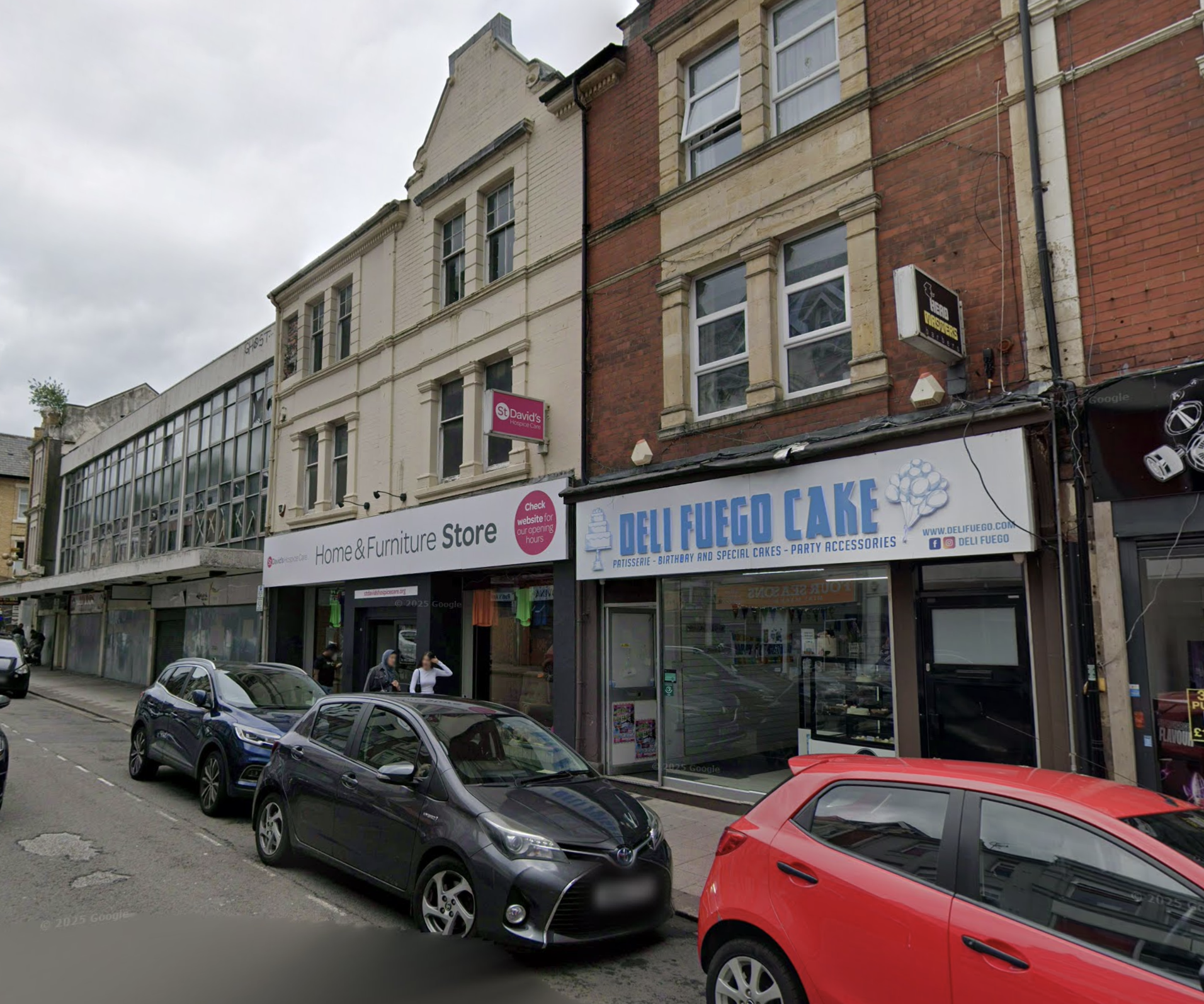
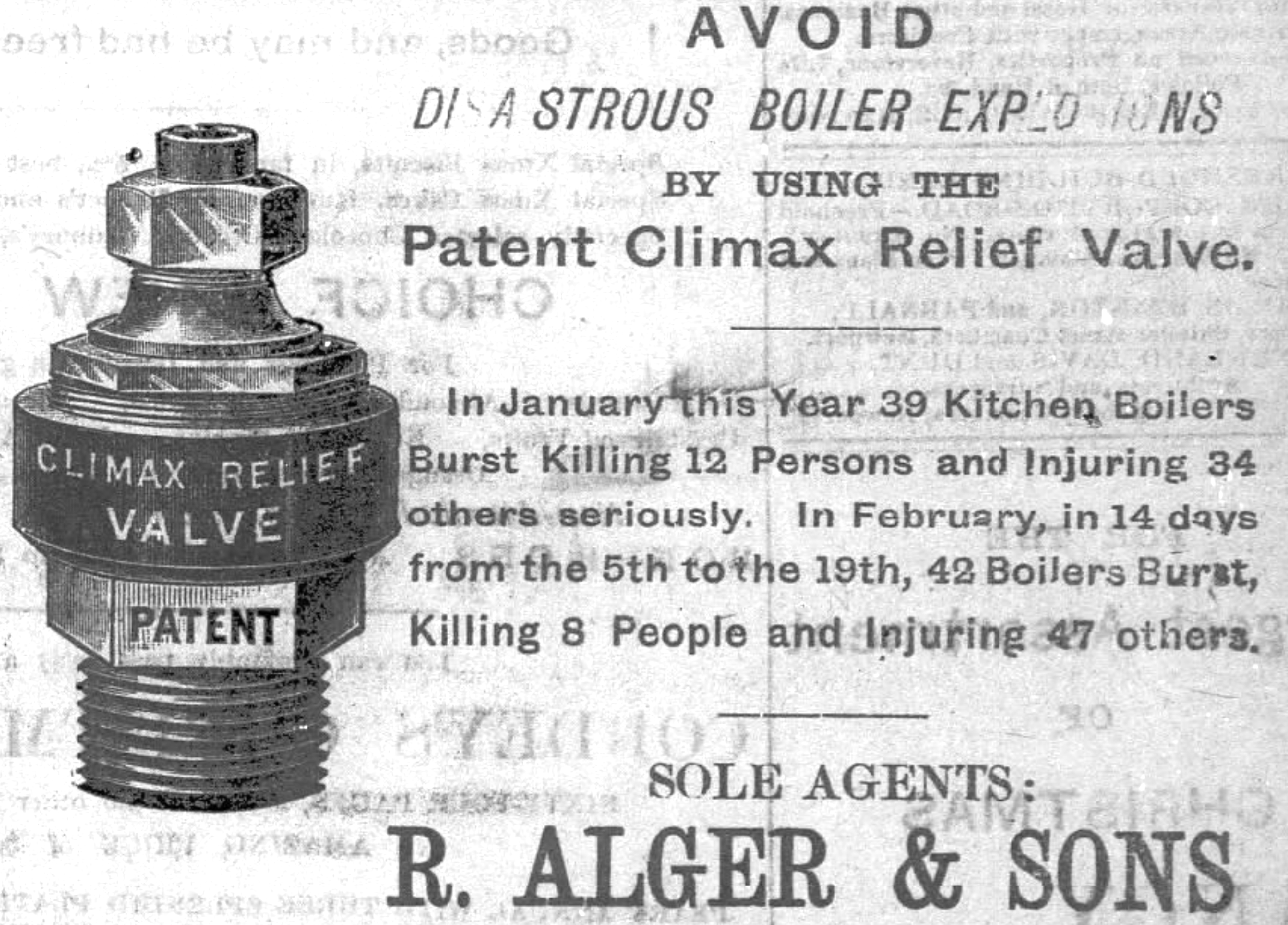
This is location of where you could have bought a 'good machine at the lowest price'.
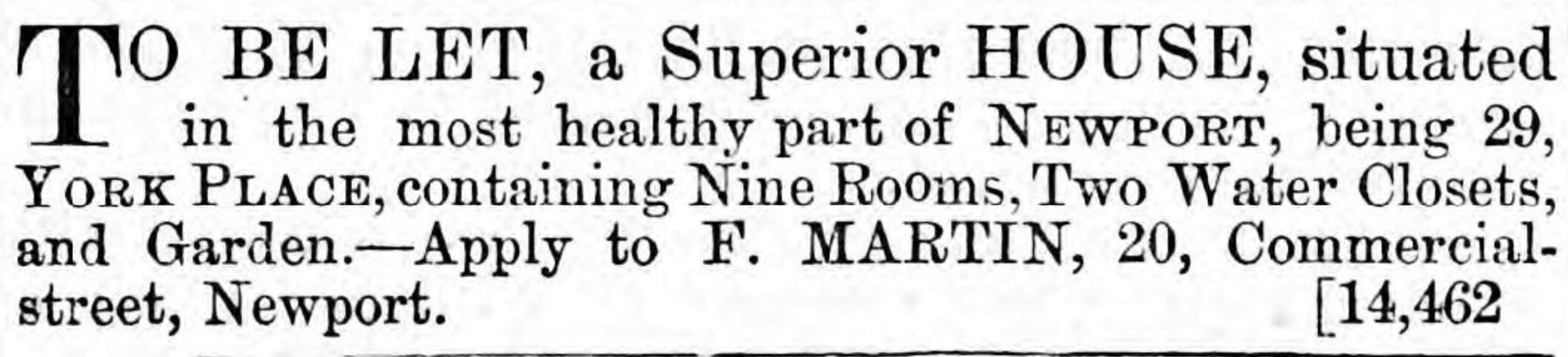
'The Most Healthiest Part of Newport'
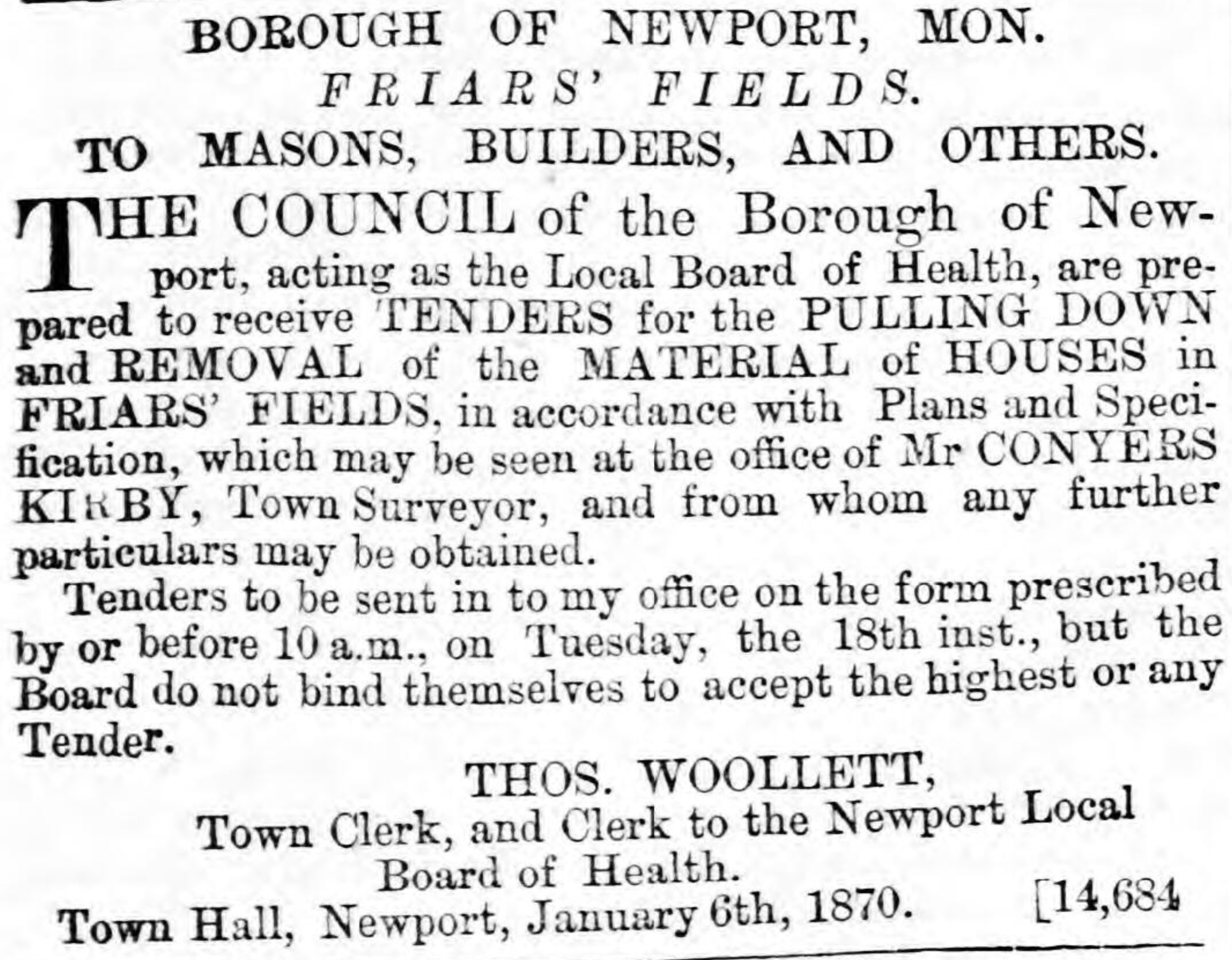
'A Tender for the Removal of the Houses on Friar's Fields'
Published in January 1870, the tender is for the removal of the houses in the notorious Friar's Fields, so often featured in the police reports each week in the Monmouthshire Merlin.
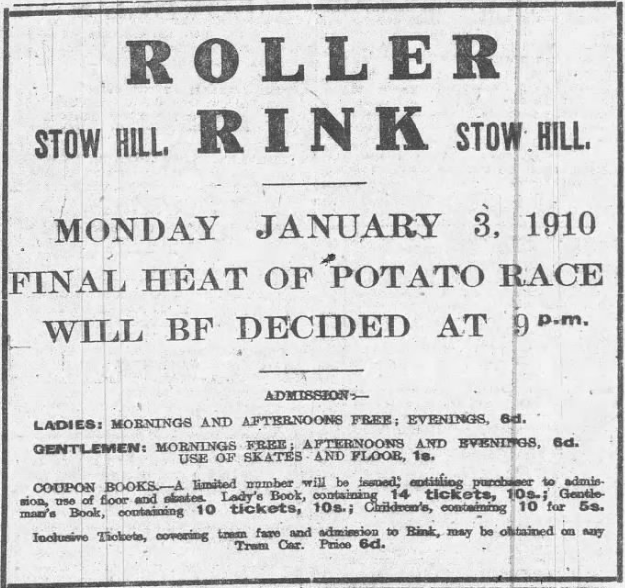
The potato race mentioned in the advert potentially involves contenders dropping potatoes in pots. This is based on a similar event happening in Monmouthshire the year before in 1909.
It's interesting to see on the advert that if you were travelling to the rink via a tram you could buy a combined ticket for both tram and entrance to the rink.
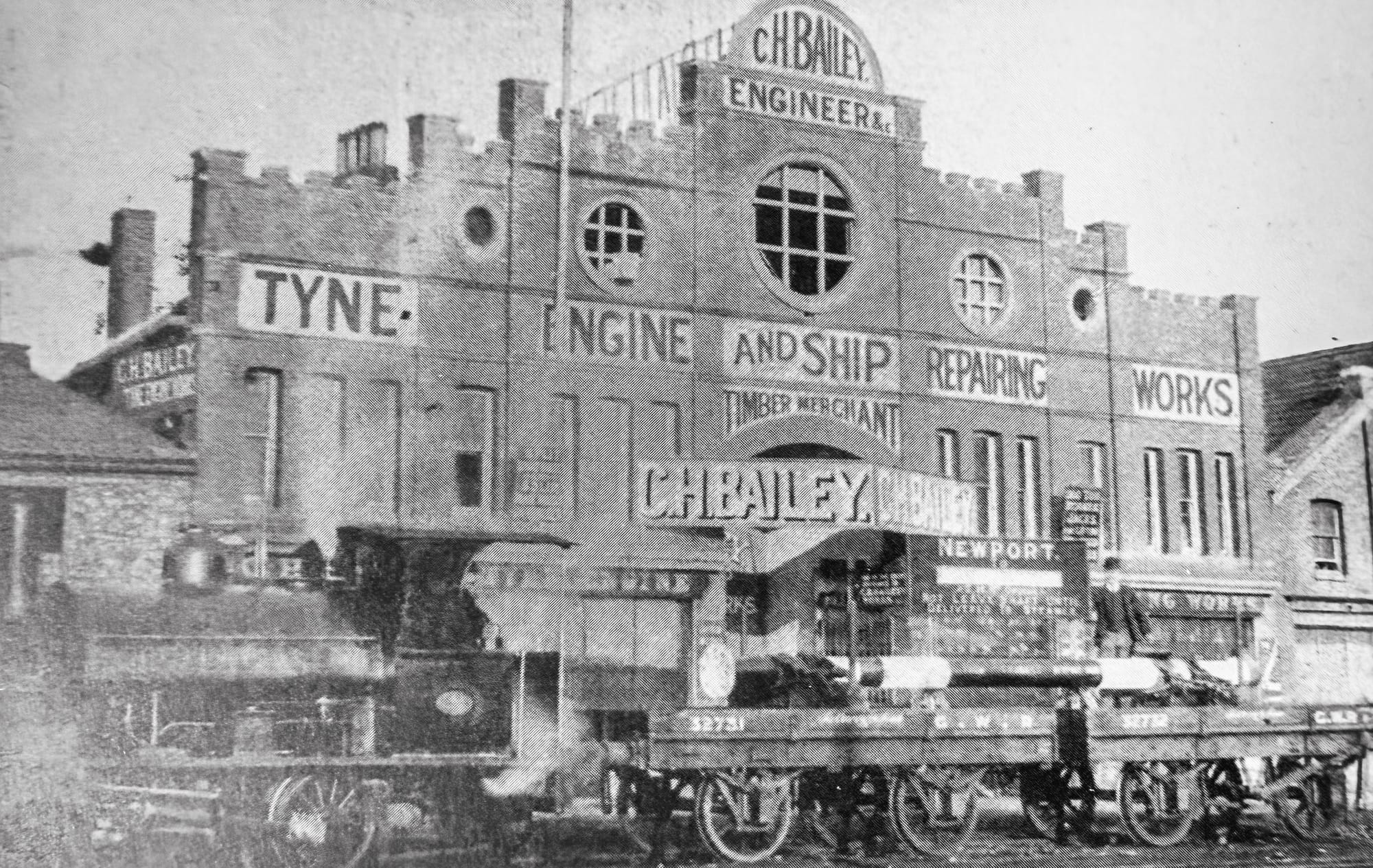
C.H. Bailey's Tyne Engine & Ship Repairing Works, 1896. On completion, the Mill Parade works were described as 'combining the most advanced facilities of the time including a 523 foot long commercial dry dock, within a building of pleasant architecture.
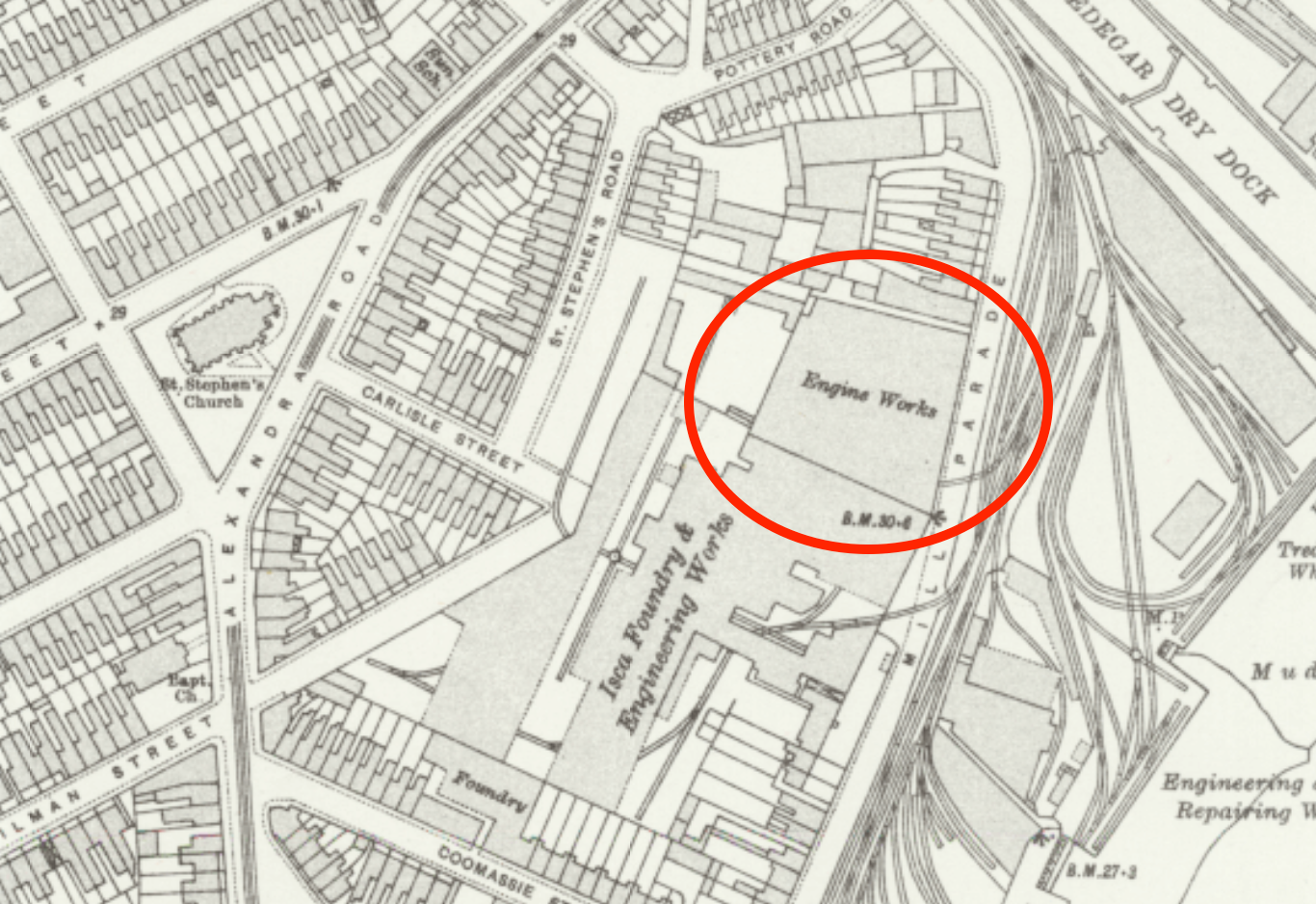
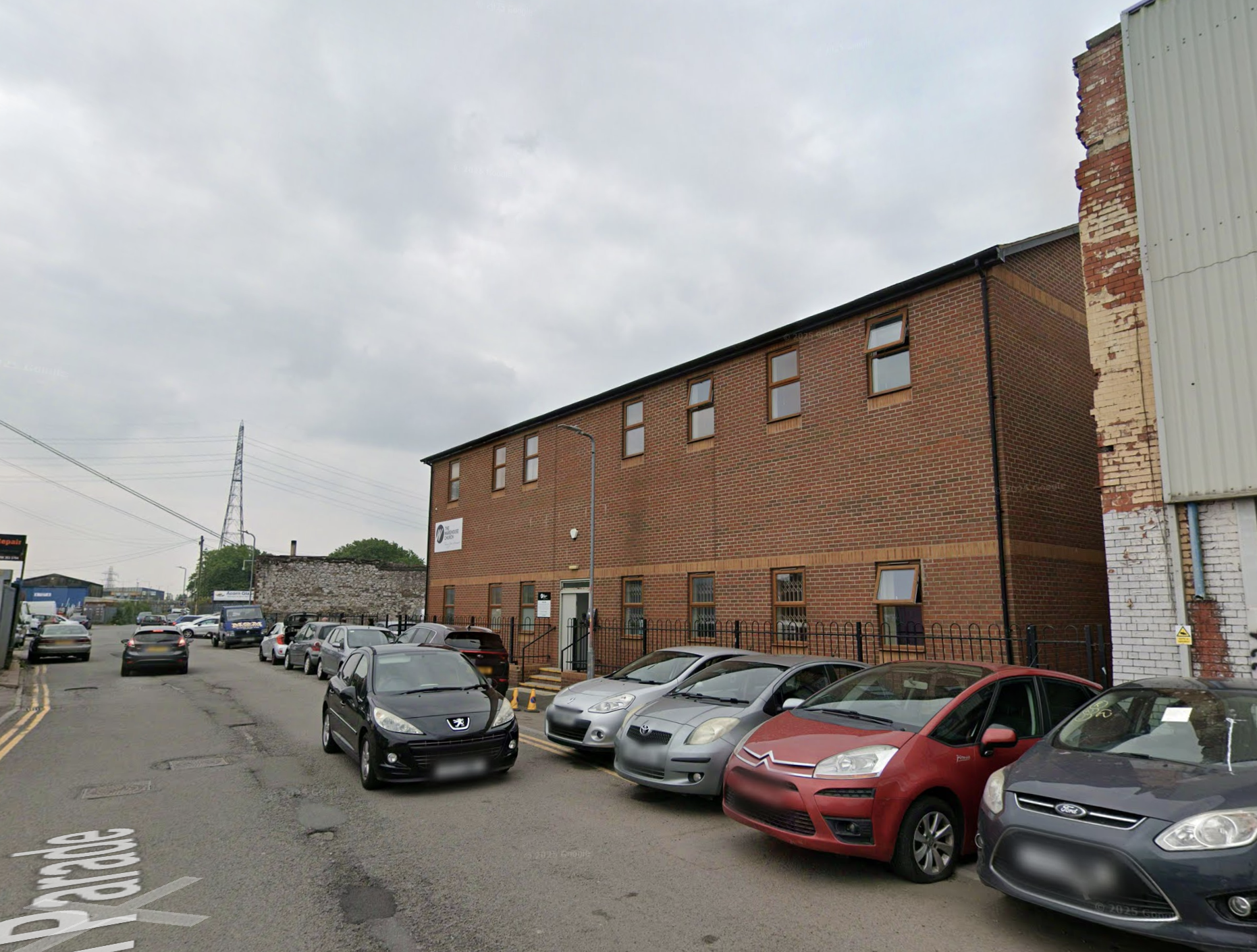
THe brick building is the location of where the engine works were located. The wall on the side of the photo may be part of the original building.
The Road to the Newport Barracks
SIR,— Having observed in recent in recent numbers of your useful paper, several letters, calling the attention of the authorities of the town of Newport to the state of the streets and roads in and near the borough, I beg to say that if the person or persons whose duty it is to look to such roads, would condescend, once in six months to observe the road leading to the Barracks, should there be a probability of his reaching them without losing his boots, I should be but too happy to congratulate him or them upoo so narrow an escape.
Perhaps it may not be generally known that a toll is exacted (as to the legality of which, I have my doubt) from every officer riding or driving over a road almost impassable for pedestrians nine months out of the twelve.
Independently of this, every respectable contractor or tradesman, (and the number is not a few,) whose calling requires him to attend at the barracks, is also subject to the toll, on horse or vehicle and although I have been here upwards of two years, the road has been left in the same wretched state in which I found it on taking charge of the public property in this district; and the officers in command, as well as myself, have repeatedly remonstrated upon this continued serious nuisance, without any attention having been paid I feel, therefore, that I have no other alternative but to call the attention of the authorities concerned, either county or borough, believing, by an enactment, that I have the power of summoning the Road Surveyor for his neglect of duty, to answer my complaint, before the Chairman of the Quarter Sessions.
But ankle depth of mud is not the only nuisance there being an excavation, eight or ten feet in depth, now filled with water immediately opposite the cavalry barrack gate, without any fence, and where one child has been drowned, and a second would have shared the same fate, had not timely assistance from its relative, saved it. This dangerous pit I brought under the immediate notice of a magistrate of the neighbourhood eighteen months ago, but in vain.
I am informed that since the barracks have been built the officers and soldiers have been deprived of an original right of a foot path to the Canal from the Barracks. Means must be adopted to restore this right.
With the hope that these causes of complaint may meet attention and redress by the authorities, I have the honour to be, your obedient servant,
ETHELRED HAWKINS, Capt., Barrack Master. Barrack Office,
Newport, Jan. 2, 1851.
— Monmouthshire Merlin, 11th January, 1851


Member discussion