

Welcome to another issue of The Newport Cornucopia where we dig through the newspapers archives for interesting news articles and adverts. All articles are posted verbatim and most headlines are original (headlines in quotes are my own).

This Week's Newport History Social
Our regular social event took place at the Pen and Wig on Wednesday and as always was an informative evening with people sharing knowledge and snippets of Newport's history. The events are always laid back with no pressure to contribute and whilst there's a lot that we don't know we welcome questions about streets, buildings and the people of Newport. Between us we can either come up with an answer or can try and research on the night.
Our next event is on Wednesday 4th March between 6-8pm and all are welcome.
The Poll Book of Monmouthshire
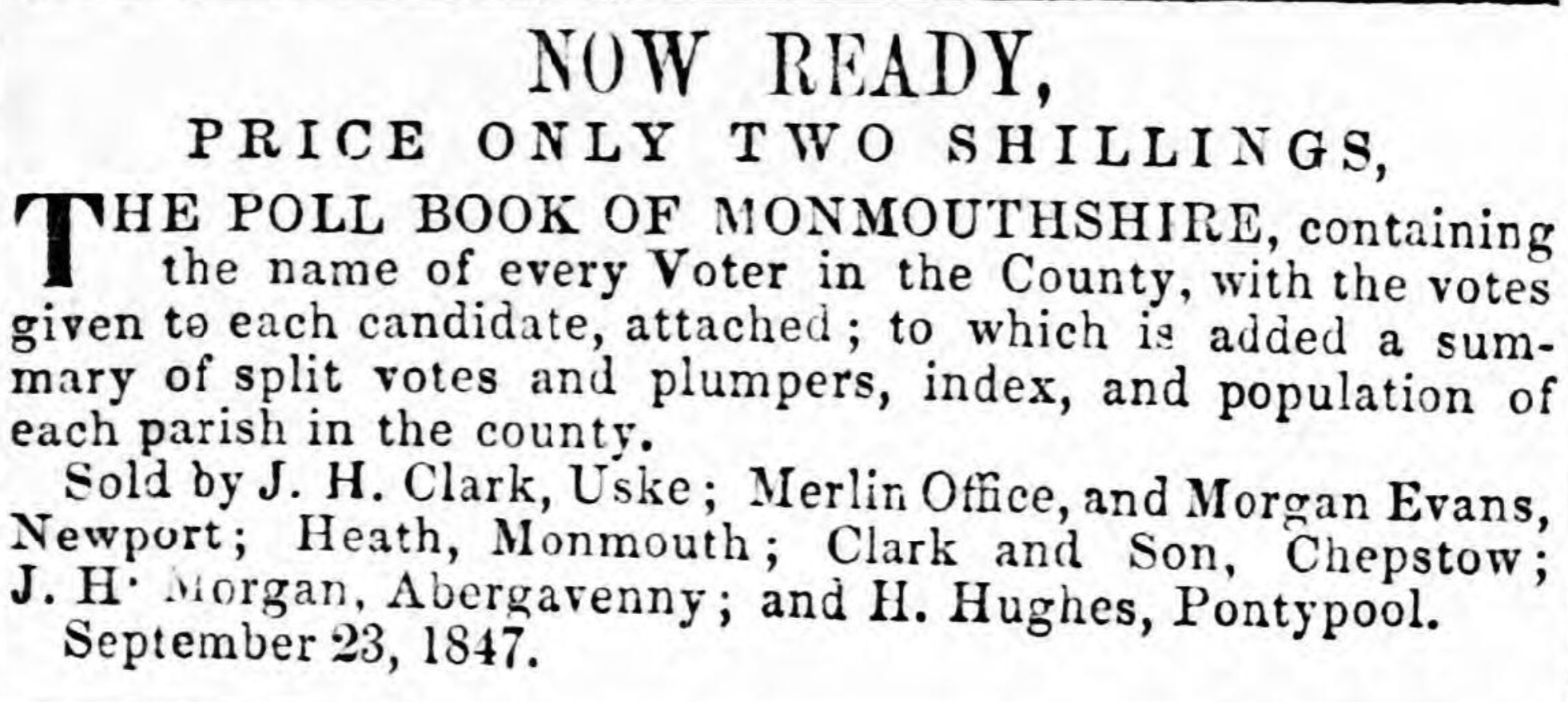
Prior to the secret ballot, which was introduced in 1872, it was public knowledge who people voted for and books like the Poll Book of Monmouthshire existed which allow others to know how you voted for. That's if you were eligible to vote. If you were wealthy enough or owned land in the county you could vote.
At the time of the enumeration of the 1841 Census of England and Wales the population of the County of Monmouthshire contained some 134,314 inhabitants compared to the number of qualified and registered voters in the county in 1847, which amounted to a mere 5,365, of which only 4,436 cast their vote in the election.
The book like the one in the advert could be used for:
- Political strategy: To see who voted for whom and target them next time.
- Accountability: (Or more accurately, intimidation). Landlords and employers could check the book to ensure their tenants or workers "voted correctly."
- Social Status: Being listed in the book was a status symbol, as it proved you met the property qualifications to vote.
An interesting term used in the advert is 'plumpers'. If a constituency sent two representatives to Parliament, eligible men had two votes which you could either split between two candidates or vote for one and waste the other (plumper). You'd do this if you had a strong preference for one candidate and didn't want to support any other candidates.
In 1847, the "polling station" wasn't a quiet school hall or community center like we have today. Instead, it was a central, high-energy event held at the Hustings.
For Newport, the primary action happened right in the heart of the town.
1. The Main Event: The Town Hall
The official polling for the Newport district was held at the Newport Town Hall. In 1847, this was located on Commercial Street.
Unlike today, where you slip into a booth, the 1847 process was a piece of public theatre:
- The Stage: A large wooden platform (the "hustings") was built in a public square or in front of the Town Hall.
- The Declaration: Each voter had to walk up the steps onto the platform in front of a crowd of supporters, hecklers, and the candidates themselves.
- The Voice Vote: You would look the polling official in the eye and clearly state the names of the candidates you were voting for. The clerk would then write it down in the very book you saw advertised!
2. The Hub: The King's Head Hotel
While the Town Hall was the official site, the King's Head Hotel was the "unofficial" headquarters for the Conservative faction.
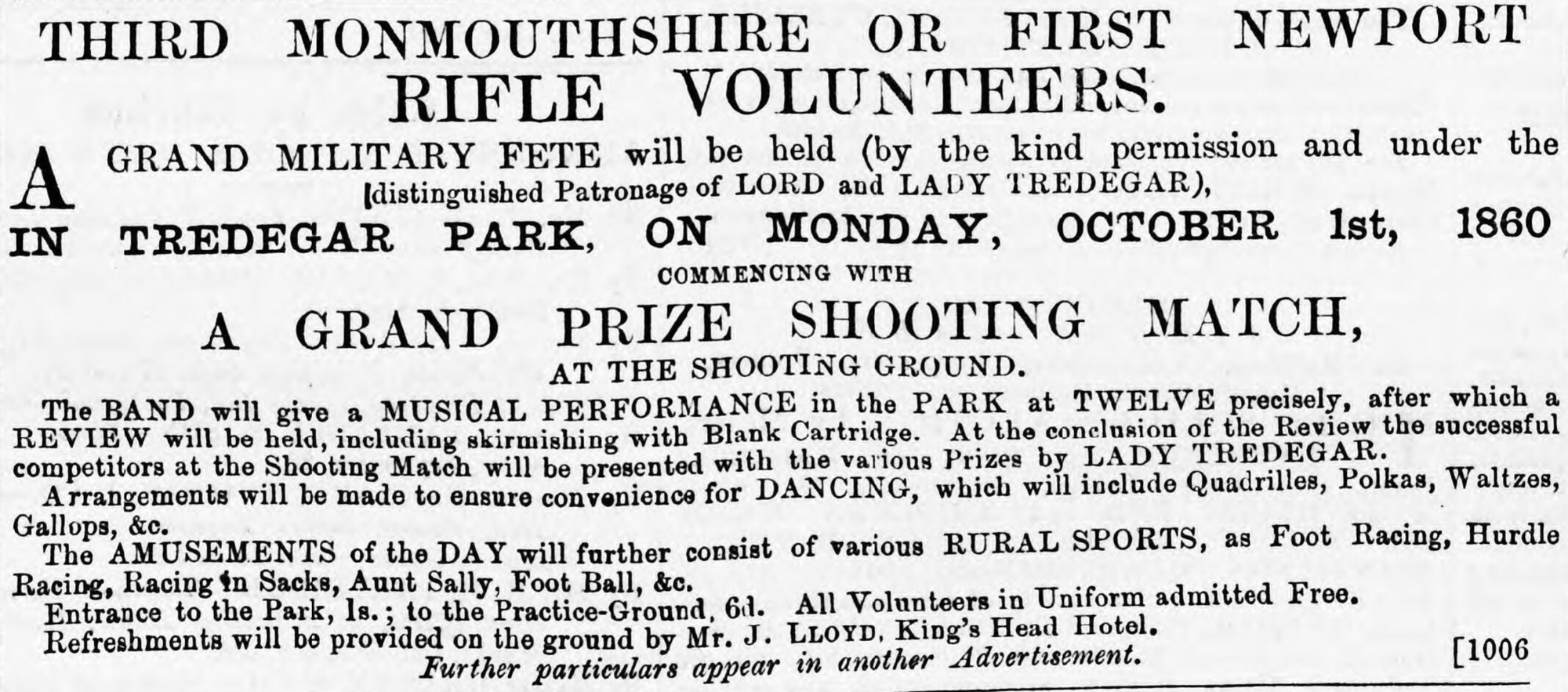
- The owner mentioned earlier, John Lloyd, was a prominent figure who owned a copy of the Poll Book.
- Political parties would "rent" local inns to use as committee rooms. If you were a supporter of Octavius Morgan or the Somersets, you likely gathered at the King's Head to drink, celebrate, or receive "encouragement" before walking down to the Town Hall to cast your public vote.
3. The Atmosphere: Riotous and Raw
Newport was a tense place in the 1840s. It was only eight years after the Newport Rising (1839), where Chartists marched on the Westgate Hotel demanding the secret ballot.
When people went to vote in 1847:
- Bands and Banners: Candidates would hire brass bands to drown out their opponents' speeches.
- "Treating": It was common for candidates to provide free ale and food at local pubs like the King's Head to "persuade" voters.
- Intimidation: Because the crowd could hear every vote, a "wrong" vote could result in being pelted with mud or rocks on your way down from the platform.
The 1847 Monmouthshire Election was a three-way battle between three members of the local elite with the polls being held on August 10th and 11th.
The Candidates and Results
| Candidate | Party | Total Votes | Result |
| Octavius Morgan | Conservative | 2,334 | Elected |
| Lord Granville Somerset | Conservative | 2,230 | Elected |
| Captain Edward Somerset | Conservative | 2,187 | Not Elected |
Third place Captain Edward Somerset lost by 43 votes so supporters of this candidate would be keen to see who didn't vote for him by purchasing the book.
Town Improvement
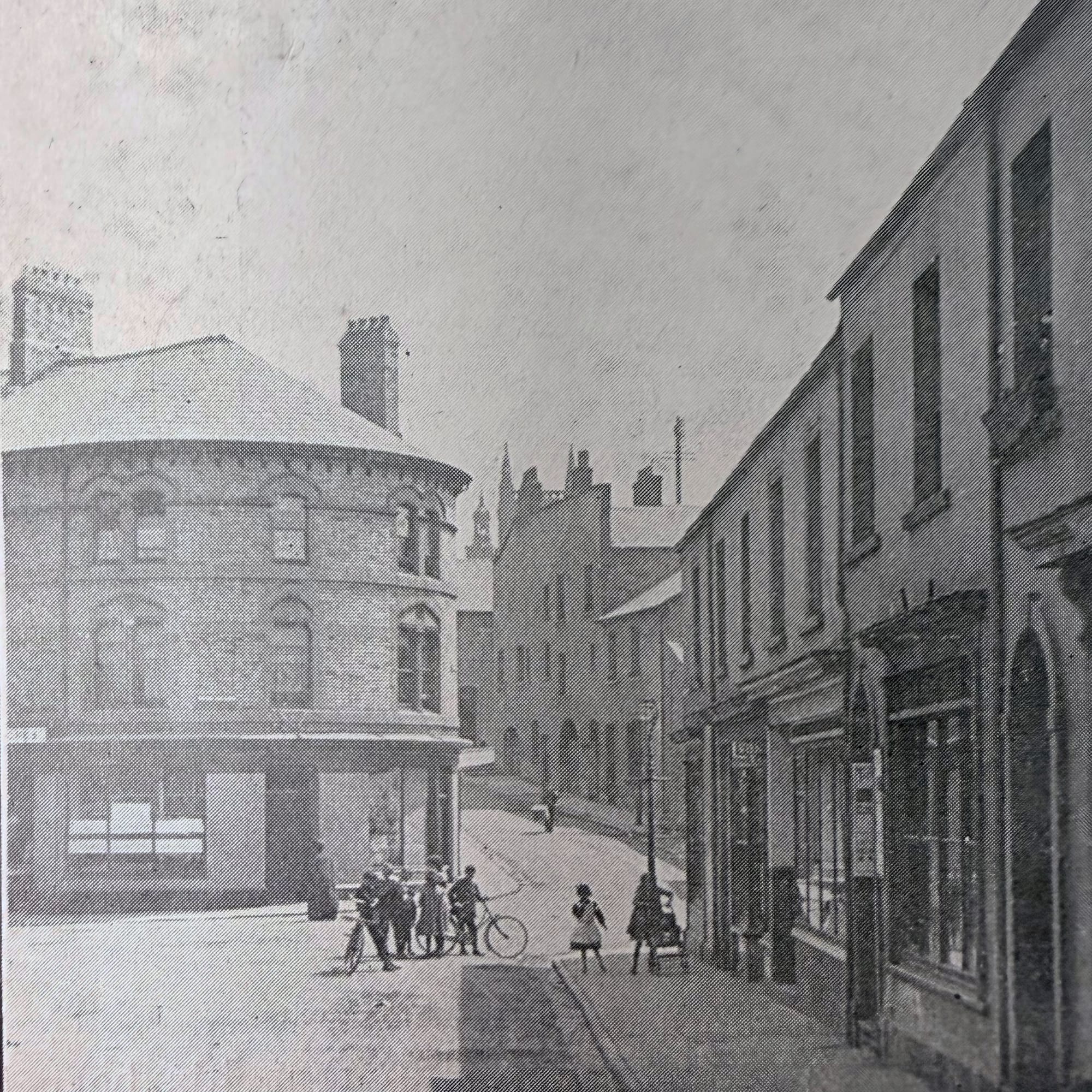
A handsome addition to the principal thoroughfare has just been made by Mr. Mason, grocer, of this town, who has converted the extensive building in Commercial-street, opposite Corn-street, into most attractive premises, with a frontage of considerable beauty, and of a style the most modern.
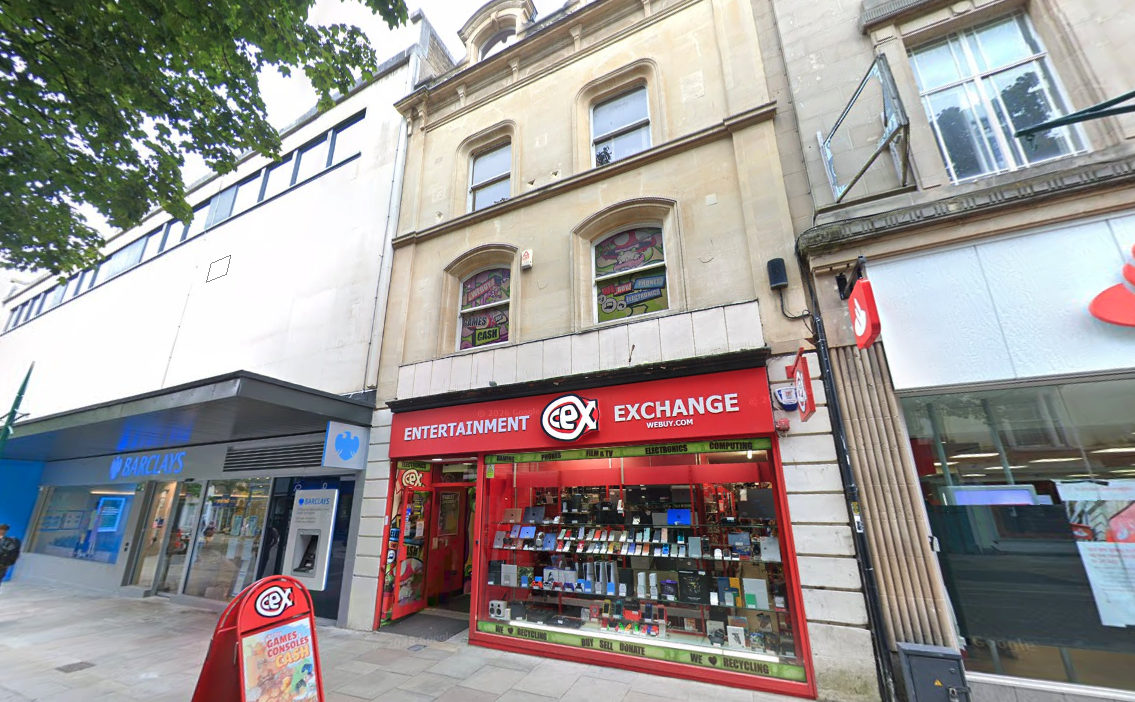
The skilful manipulation displayed in the Bathstone carvings has elicited much admiration. Mr. Mason removes from his shop facing the Westgate Hotel, to his new establishment this day (Saturday,) as intimated in an advertisement. We wish our spirited fellow-townsman continued success.
— Monmouthshire Merlin, 6th October, 1860

Drunkards
Joseph Fitzgerald, lor being drunk and disorderly in High-street, on Sunday morning, was committed to a month's hard labour. John Murphy, charged with being drunk and wilfully breaking a pane of glass belonging to John Thompson, landlord of the Eastern Valleys Inn, was fined 5s., including costs. George Lynch, for being drunk and disorderly in Bridge-street, on Saturday evening, and assaulting the' police, was fined 10s. 6d., or 14 days. Edward Lane, a labourer, summoned for being drunk and disorderly in George-street, was fined 5s.
— Monmouthshire Merlin, 24th May, 1878
Window Smashing
Ellen Ryan, a married woman, living in Oliver-square, pleaded guilty to breaking a pane of glass in the house of Jeremiah Lynes, landlord of the Plumbers' Arms, in Corn-street.
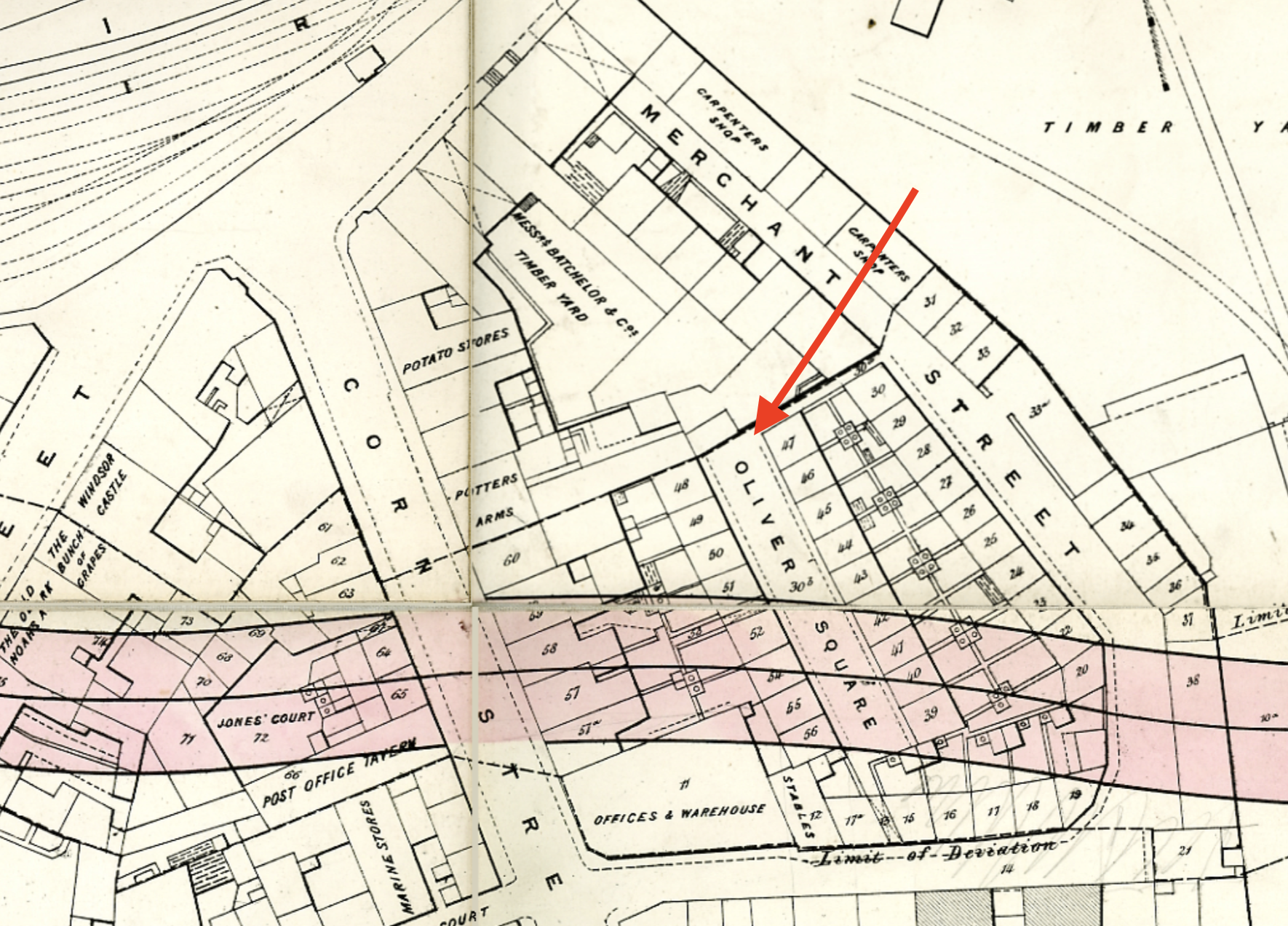
It appeared that the woman behaved herself in a very disorderly manner in the complainant's house, and he thereupon ejected her. Directly she found herself outside the house she picked up a brick and "shied it" through one of the windows. Ordered to pay a fine of 10s., including the value of the glass, and the costs. She was also bound over to keep the peace towards an old man, to whom she had used threatening language.
— Monmouthshire Merlin, 24th May, 1878
Pugilists
Michael Flynn and Matthew Collins were charged with being disorderly .by fighting in Club-row. P.C. Wallace proved the case, but could not swear to Flynn. There was a disturbance at 25 minutes past ten on Sunday night, and the defendant Collins was stripped of all his clothes he had not even a shirt on. Collins was fined 10s 6d, or 14 days but the case against Flynn was dismissed.
— Monmouthshire Merlin, 24th May, 1878
'Stealing Wood'
James Fitzgerald, an old man who refused to give his name, was charged with cutting underwood, the property of Sir Charles Morgan, near the Barracks. Titus Lewis said On Wednesday last, he saw the prisoner cutting I underwood in a wood near the barracks, and asked him what he wanted there; he said "Nothing." He was taking him to Newport, when he met Superintendent Parrett, and gave the prisoner in charge. The wood was valued at 6d. Prisoner had been convicted before, and was now committed for a month to hard labour, or to pay 18s., including costs.
— Monmouthshire Merlin, 19th July, 1856
Unmanly Conduct
Cornelius Donovan, charged with striking his wife on the head with his fist, and afterwards with the tongs, was bound over to keep the peace.
— Monmouthshire Merlin, 19th July, 1856
'Throwing Peas'
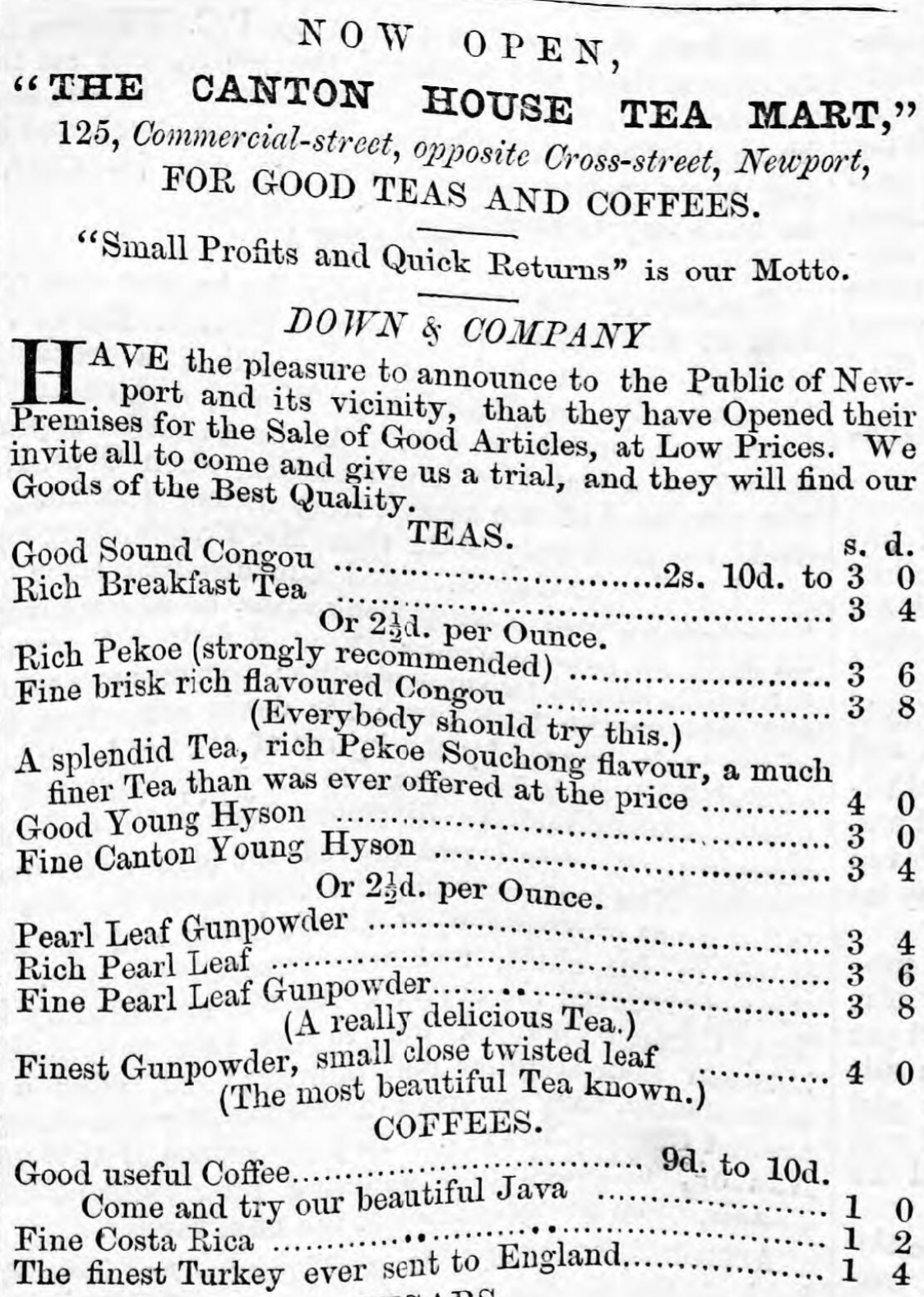
James Church, of the firm of Down and Co., tea merchants, was charged with assaulting Mr. L. E. Smith, son of Mr. Charles Smith, porter merchant. Complainant was passing the door of the Canton House, when a dog ran out and snarled at him. He began to kick the dog off, when Church came out, and put his fist in Mr. Smith's face, and threw some peas at him telling him also, in an impertinent manner, to walk on. Mr. Philip T. Trigg gave corroborative evidence, which was rebutted by the statements of assistants in the shop. The magistrates said the case ought to have been settled out of court. Fined 1s. and 12s. cost, or seven days' imprisonment.
— Monmouthshire Merlin, 27th January, 1854
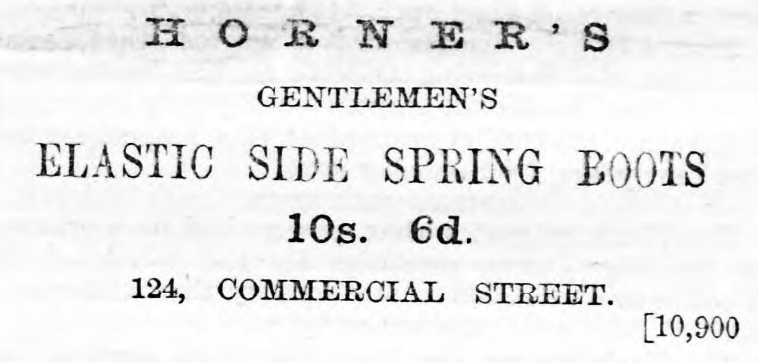
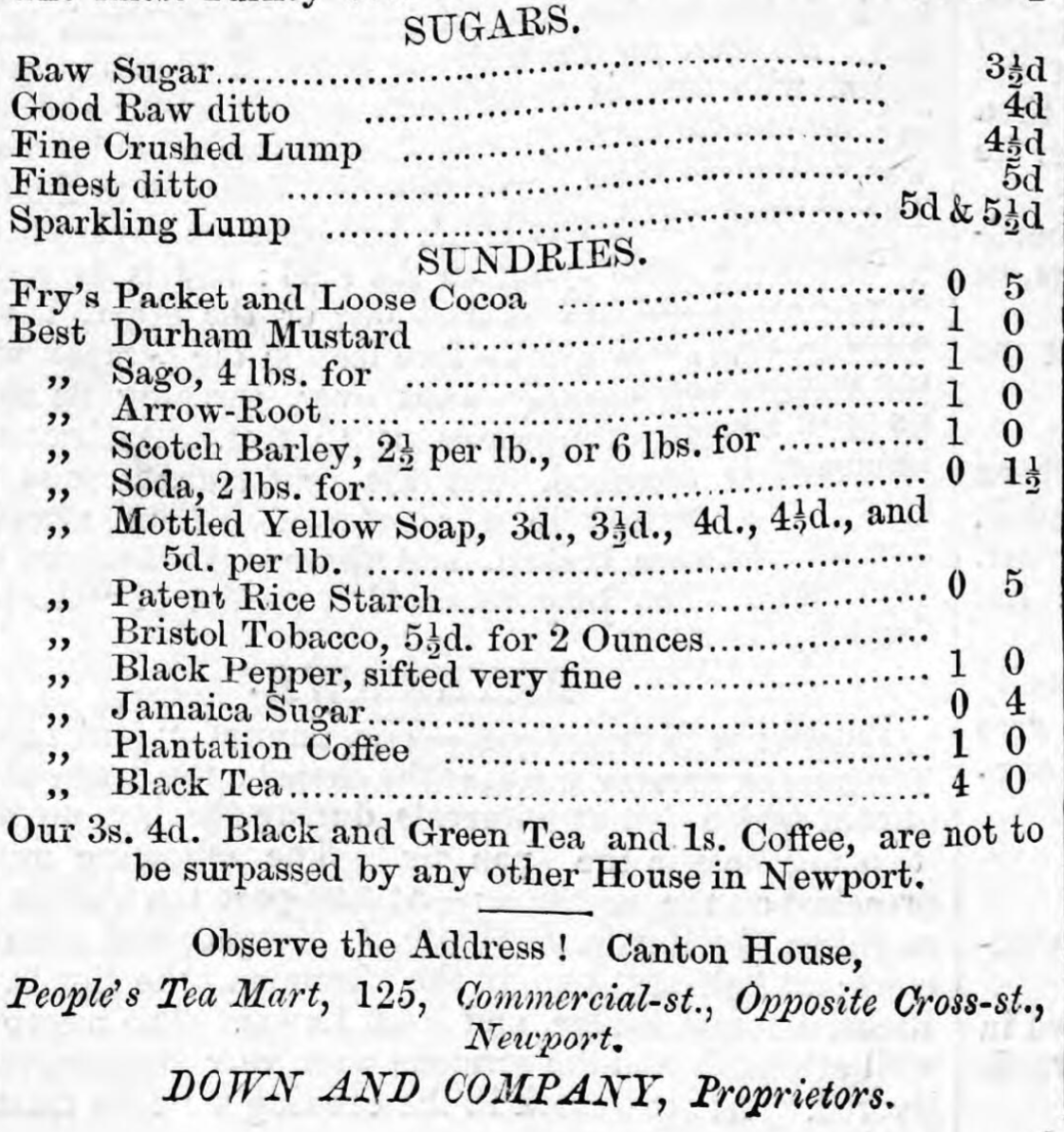
Canton House originally opened on 125 Commercial Street in 1853 and then moved to 46 High Street in 1856. Here's what was on offer in 1853.
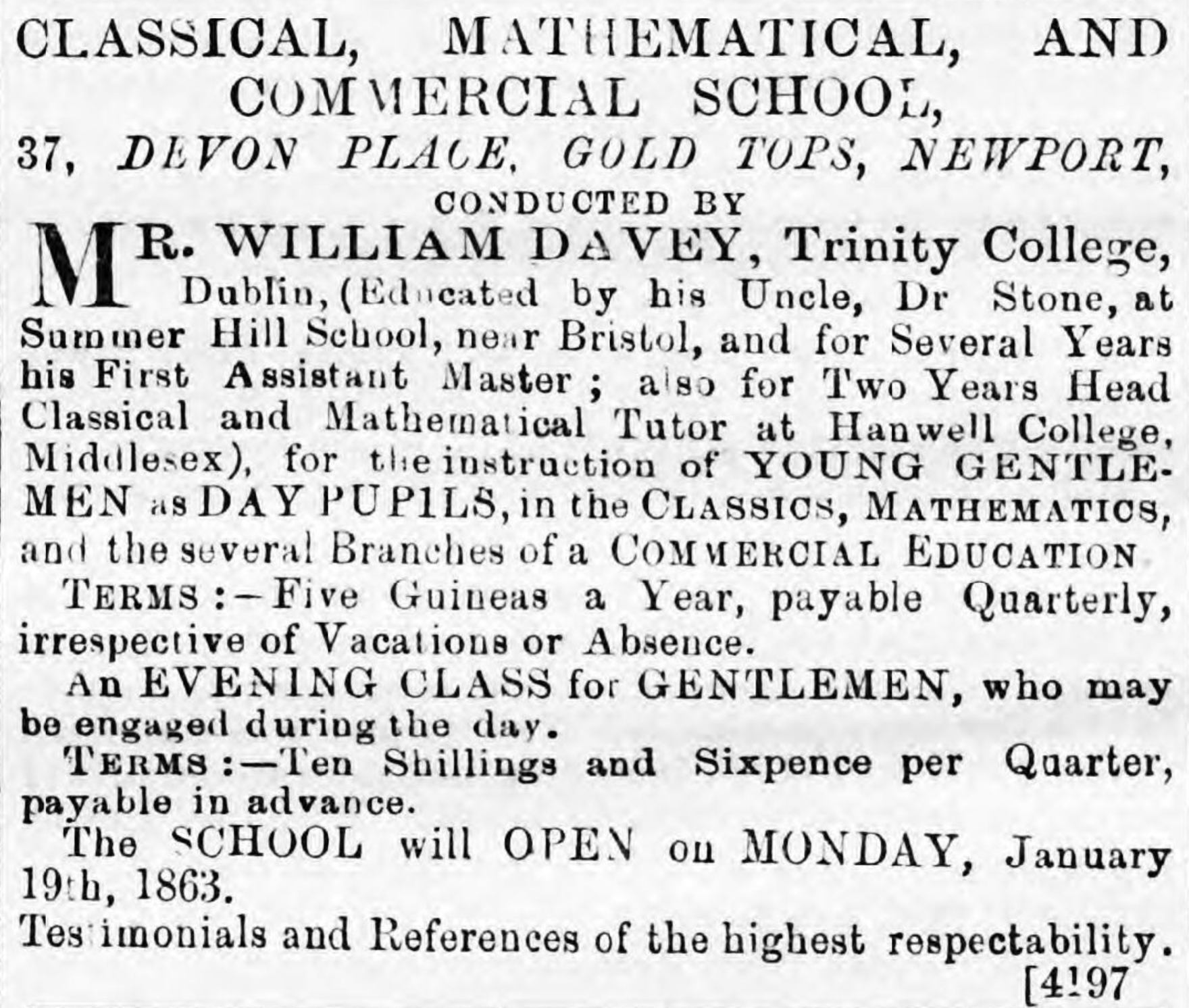
'Classical, Mathematical and Commercial School, Devon Place'
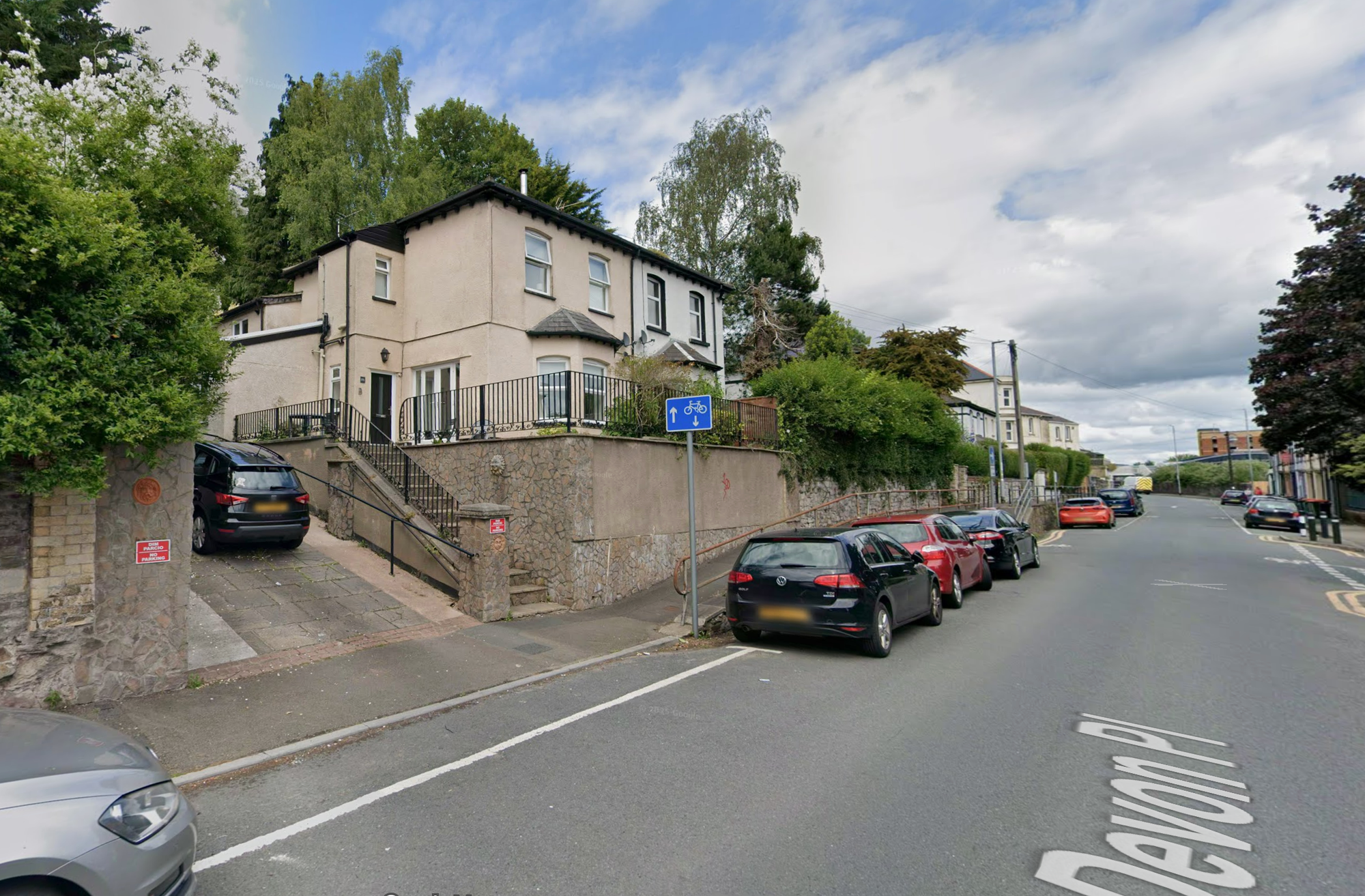
The premises still exists today on Devon Place although is split into 37a and b.
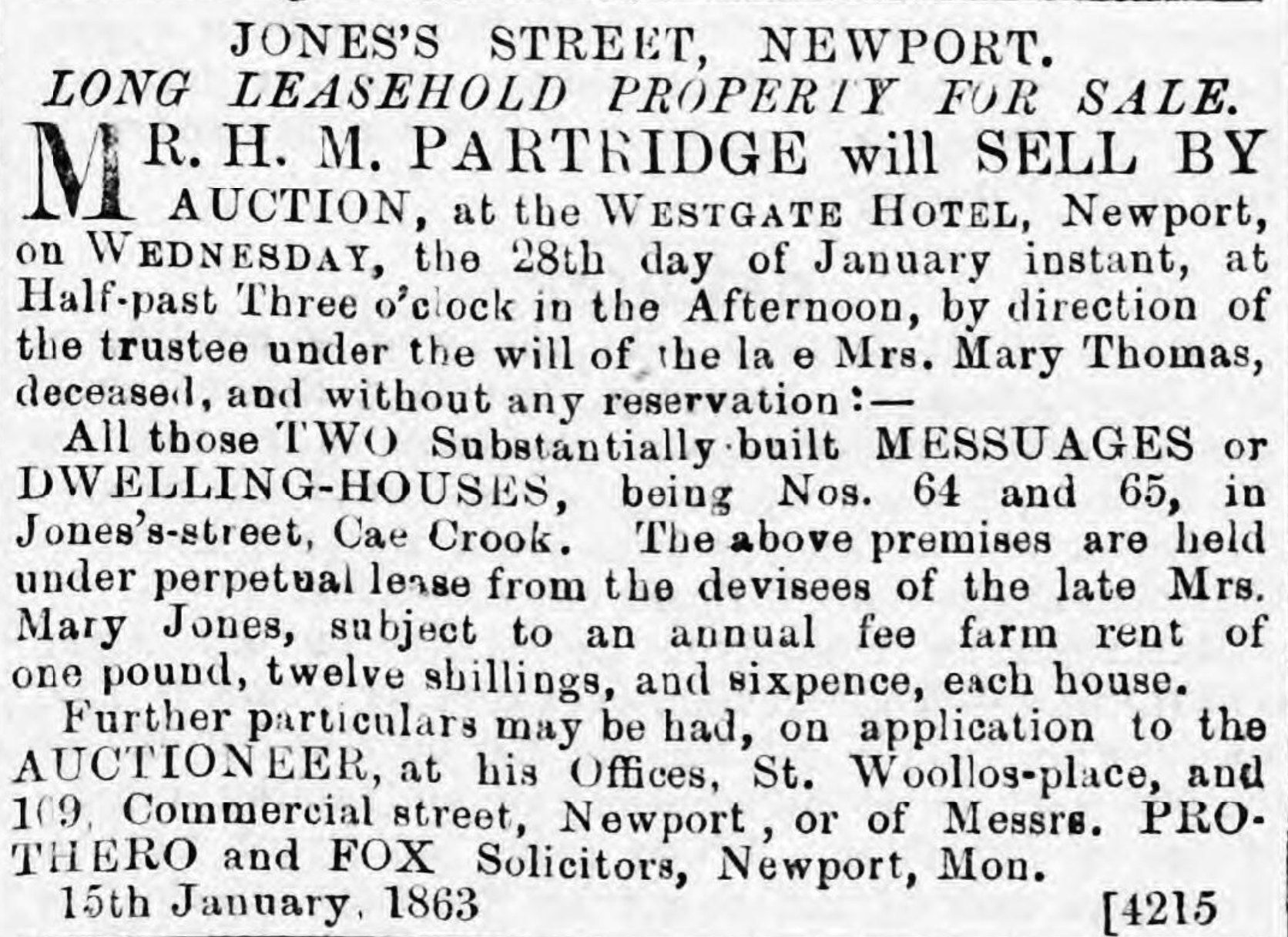
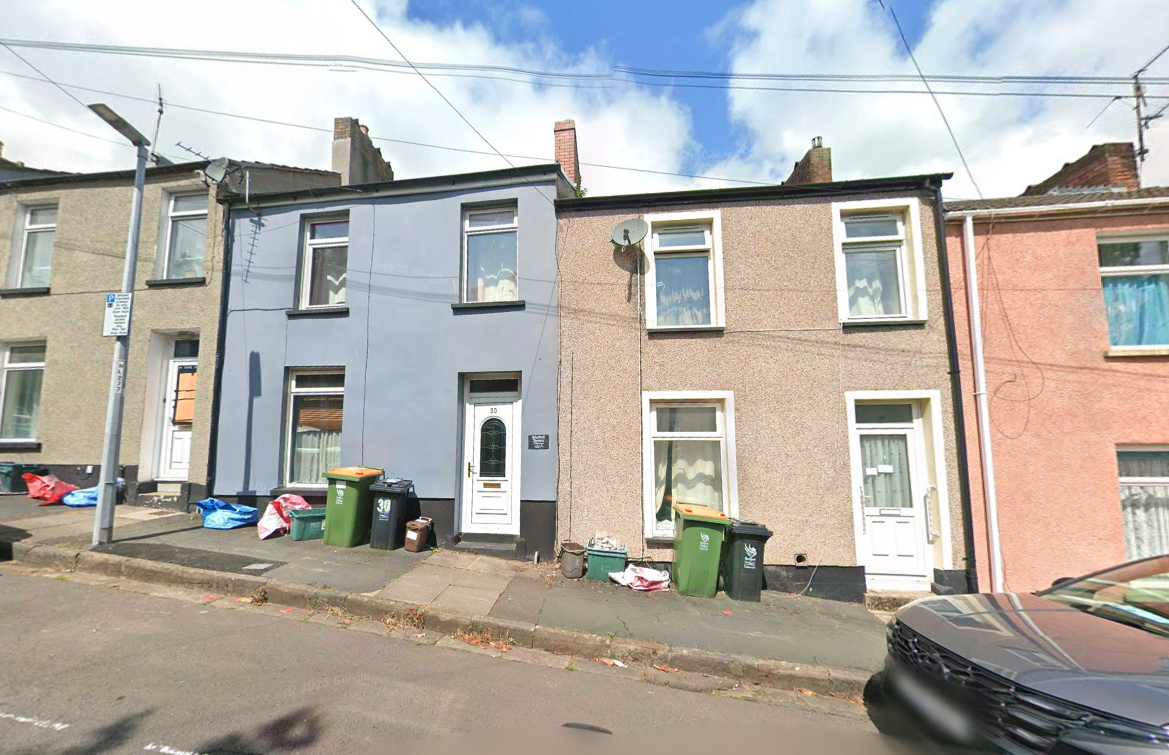
Baneswell Houses For Sale in 1877
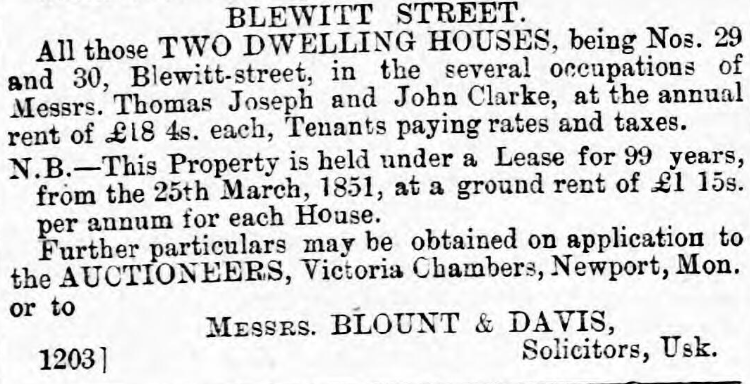
The two houses mentioned in the advert are still found on the street.
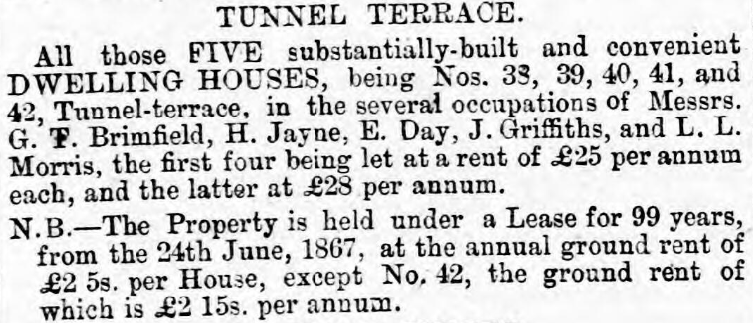
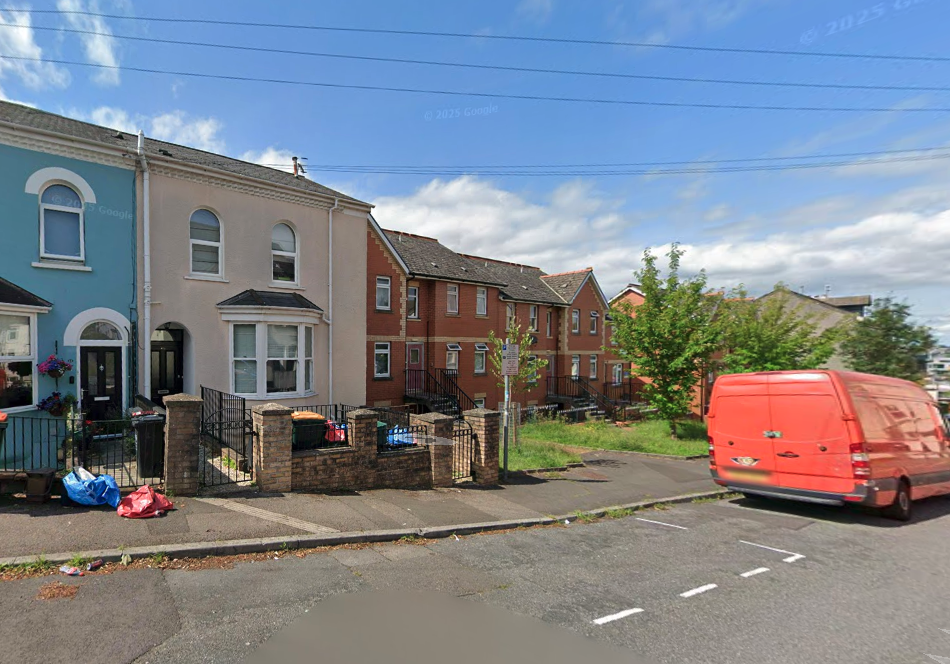
Only number 40 is still on the street (the cream house), the others have been replaced with more modern houses.
Depredations of Empty Houses
Alderman Lyne said he had an important matter to bring before the Board. Several people had complained to him. He did not know why they brought their complaints to him more than any one else, because it was not, he thought, exactly a matter for the Works Committee, but he had heard so much of it that he had determined to bring it under the notice of the Board.
Now, they all knew that these were very disadvantageous times, houses and warehouses in all parts of the town were empty and to let, and poverty existed everywhere. They had a police force, and people naturally to be protected by them, and to have their property also protected, whether it was vacant and uninhabited or not. No sooner was a tease unlet, or a warehouse vacated for 24 hours, than it became a practice to "ransack" them in every sense of the word.
The Cornish wreckers did not persist in their work with greater energy than these persons did in their depredations. It was to be hoped that good times would come again, and when they did come wound, instead of having houses and warehouses to let, there will be nothing left but a heap of ruins. They paid largely for the police force, and they expected to he protected by them.
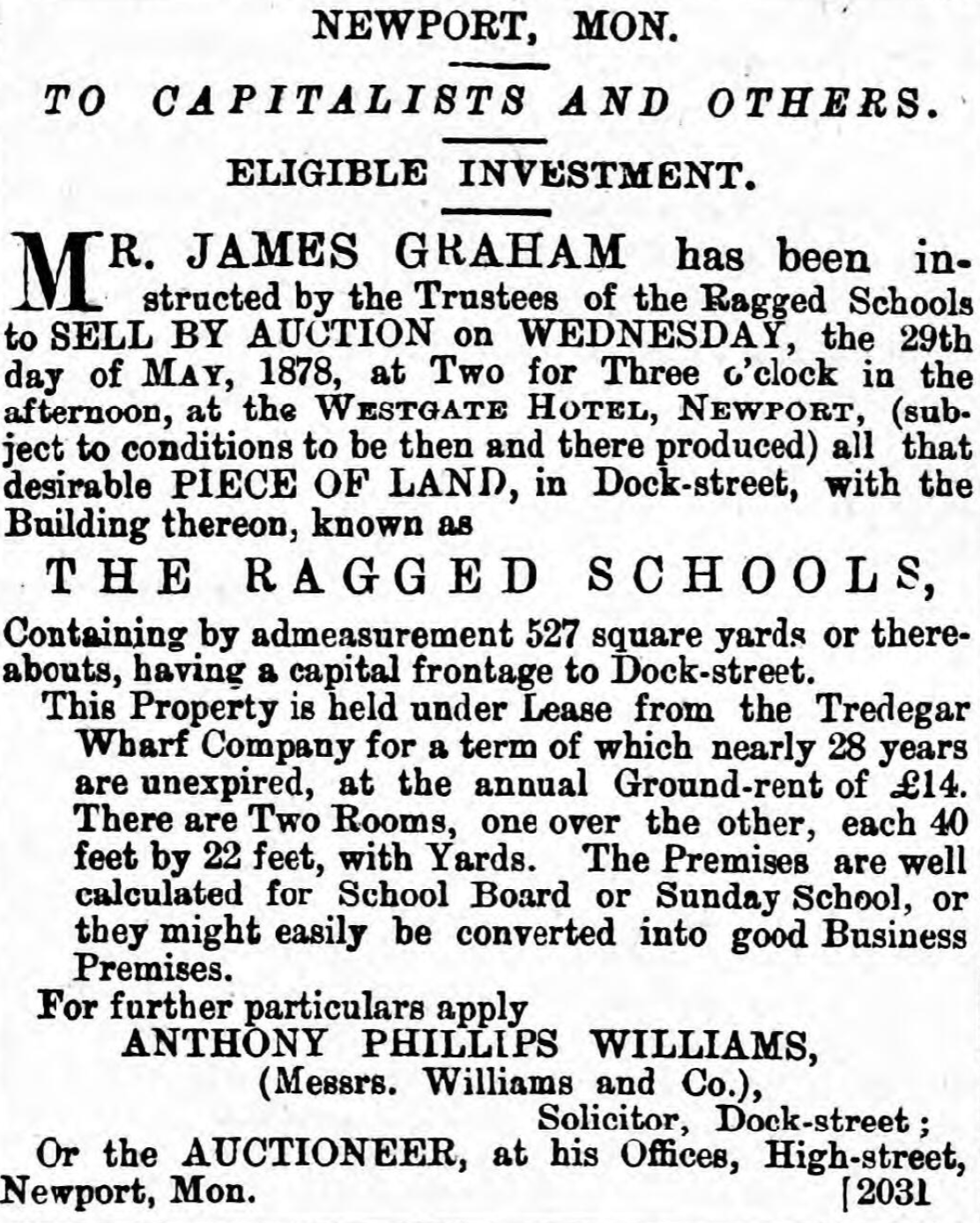
He would give them three or four illustrations of what he had just said. Certain premises belonging to Mr W. Downing Evans, the clerk of the Union, were empty for but a few days, before they were found to be completely gutted. The same thing happened with premises belonging to Mr Lorell—the slates, the doors, the windows, and everything were taken away. Last Sunday some persons had commenced smashing the windows of the Ragged Schools. There was no policeman to be found, and when they were found, they said they did not know who the persons were who had committed those misdeeds. When all these things were allowed to go on is the town, what was the use of the police?
He (Alderman Lyne) spoke his mind out about this subject, because he liked to tell a person before his face whatever he had to say. Their Superintendent was too much there (in the Town Hall), and too little about the town. It was true that he had a great deal to do, and that he had to spend much of his time before the magistrates, and they knew that he had a great many heavy returns to make up, but they thought they had given him the necessary assistance to make up those returns, and he (the speaker) would rather give him a still larger amount of assistance in order to see to these things. He remembered that at one time they deemed one detective to be sufficient, but now two was not enough.
Alderman Davis corroborated what Alderman Lyne bad said, and mentioned "Cross House," on Stow-hill, where boys were continually making a noise and throwing stones, and the police did not seem to think it part of their duty to interfere. There was hundreds of pounds worth of property ruined in the town simply because the police did not take action in the matter.
Mr Rogers, as a sufferer, bore out the testimony of the previous speakers. The amounts he had to pay for broken windows were very heavy indeed. There seemed to prevail an opinion that vacant houses might be damaged with impunity.
Alderman Murphy said no one had suffered more than he had, and only the other day he found no less than four boys doing their best to break the windows of a signal box on the railway. The windows of his house were continually broken, and he had been obliged to shut out the light in order to shut out the stones.
Mr Vaughan remarked that Colonel Lyne had referred only to the centre of the town. If this was the state of things in the town, what became of the suburbs? He had six houses in Barnard Town, and indeed whole streets were being ruined in that place.
Alderman Jones said that a gentleman had complained to him of being struck by a stone. He was coming down from the Gold Tops, when a lot of boys actually pelted him. He thought that rather than allow things to go on aft they were they had better get a lot of "sworn constables."
Mr Wyndham Jones believed the police did not pay so much attention to these things as they did to criminal business.
Mr Jacob said a commercial traveller, living in the neighbourhood of Barnard-town, had complained to him that when his servant was bringing his Sunday's dinner through the area, a large stone was thrown into the middle of the tray. He trusted that these remarks, made by so many of the members of the Board, would make the Superintendent more energetic.
The Superintendent said that persons had been brought to the office and charged with damaging property exactly as had been described, but the owners of the property did not come forward to prosecute. With regard to Mr W. Downing Evans's damaged property, all he could say was that the police had got the name of one person who had been caught in the act, and it only remained for Mr Evans to prosecute whenever he chose.
Mr H. R. Evans: Can you not prosecute?
The Superintendent: We can take persons into custody, but some one must give evidence in order to prosecute.
The Town Clerk: It is the place of the owners to prosecute.
Alderman Murphy: May I ask whether Mr Downing Evans's property was enclosed by gates?
The Superintendent: No.
Alderman Lyne: No; they were torn away.
The Superintendent, continuing, said that often-times when persons had been caught in these acts, the owners, finding sometimes they were their own servants, or people whom they knew, refused to prosecute, and said, "Oj never mind, let them go."
Alderman Murphy suggested that a bill be printed aad posted up warning people about this stone-throwing.
The Mayor said there would be a difficulty in punishing persons charged with damaging property in the way referred to, for though boys might be caught on the premises, it could not be proved that it was they who had damaged the property. He had in his hand a memorial from the inhabitants of Stow-hill, calling attention to Cross House, and asking that some means should be taken to abate the nuisance caused by boys who were continually playing there and throwing stones. He might state that this matter would most likely be dealt with in the Public Works Com- mittee's report.
The Superintendent said that with regard to his being seen about the streets, he would reply that he was to he seed in all parts of the town, and he saw members of the Board in many places when they did not see him. He did go out about the streets, but of course if they meant that he did not go into the public-house to take his glass of "toddy," he would plead guilty. (Laughter.)
Mr Maddock asked if it was possible to prosecute depredators whether the owners of the property were willing or not.
The Town Clerk: Yes, where an offence has been committed, but they deserve to have their property sacked if they won't presecute.
Mr Gibbs proposed, and Mr Maddock seconded, that the Snperiatendent be instructed to prosecute whether with or without the the consent of the owners of property. — Carried.
— Monmouthshire Merlin, 31st May, 1878


Member discussion