

Welcome to another issue of The Newport Cornucopia where we dig through the newspapers archives for interesting news articles and adverts. All articles are posted verbatim and most headlines are original (headlines in quotes are my own).

Magnificent Panorama
Mr. Banvard's admirable delineations of the great rivers Mississippi, Missouri, and Ohio, and the cities, towns, and scenery along their banks, are now exhibited at the large room' of our Town Hall, and constitute subjects of interesting conversation, and approving remarks, by those who have already visited the exhibition. It has been remarked that untravelled persons have now opportunities, from admirably executed panoramas, of becoming conversant with the features of distant lands and this may be well applied to the result of Mr. Banvard's labours, which is pronounced a national work. The opportunity should not be lost on any account.
— Monmouthshire Merlin, 27th July, 1850
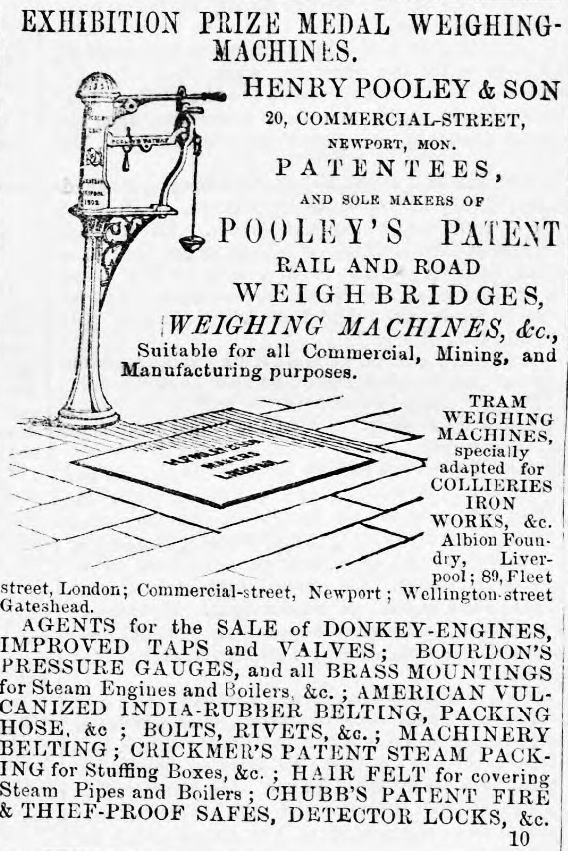
Louisa Vinning, “The Infant Sappho,” at Newport Town Hall
In 1850, the Monmouthshire Merlin carried an advert for a concert at Newport Town Hall by Miss Louisa Vinning, billed on the posters simply as “The Sappho.” The notice announced her second appearance in the town, accompanied at the piano by her sister, Miss A. Vinning. A follow-up review in the Merlin reported a “large and fashionable audience,” praising her “charming voice and musical execution” and noting that a farewell concert was scheduled the following Monday.
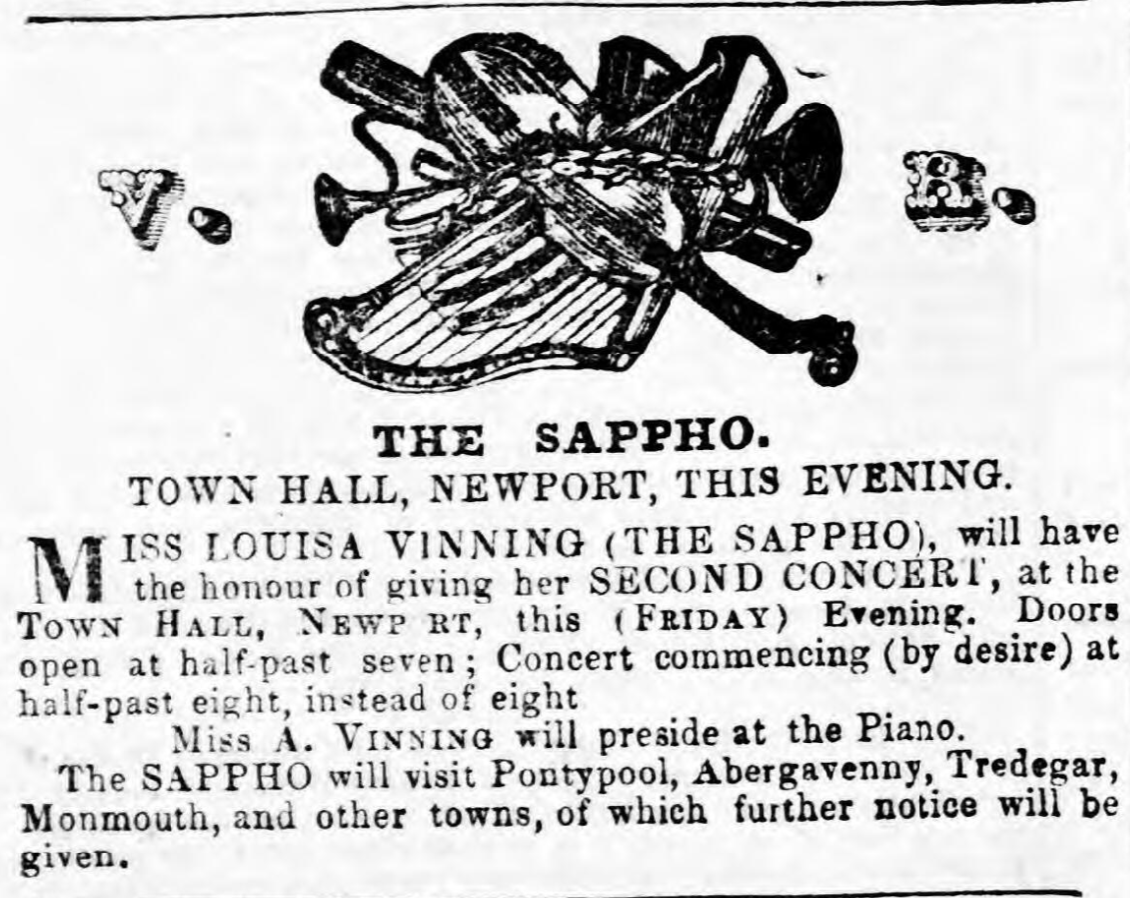
Louisa Vinning was one of several highly promoted Victorian child performers. As explored in modern research, she was known nationally as “The Infant Sappho”, a title invoking the ancient Greek poet and used in newspapers and playbills to emphasise the combination of youth and musical ability. Her touring appearances formed part of a wider nineteenth-century fascination with child prodigies, whose talents were showcased in concert halls across Britain.
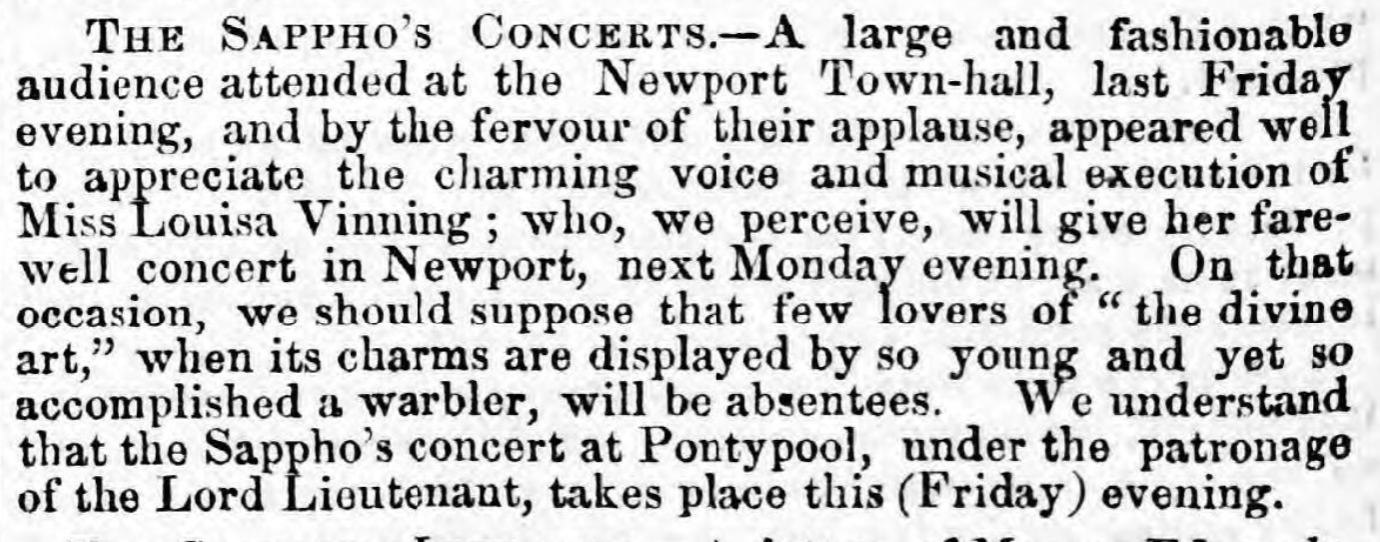
The Newport advert and the Monmouthshire Merlin review capture a brief but well-documented moment from her touring schedule: two performances at the Town Hall that drew strong local interest and placed Newport on the same circuit of venues hosting notable young performers of the era.
The Orange Peel Nusinace
A married woman, in a condition likely to be seriously injured by a fall, slipped her foot on a piece of orange peel, near the shop of Mr. Jack, hatter, on Wednesday, and fell to the ground with much force.
— Monmouthshire Merlin, 7th May, 1852
'No Robberies in Friars' Field'
There have been no Friars' Fields robberies reported this week.
— Monmouthshire Merlin, 27th July, 1850
Although later in the same issue...
One Captain Jones took so little care of that unruly crew, his wits, as to allow them to run riot in Friars Fields, a few nights since, when the captain was robbed of £17. Old silly Captain Jones!
— Monmouthshire Merlin, 27th July, 1850
A Flickering Phantom
On Tuesday night last, about ten o'clock, Mr. Morris, of Commercial-street, saw one ot those phenomena, called "Will o' the Wisp," of pecular brilliancy and magnitude. It rose on the marshes, not far from the turnpike gate, and glided across the highway, at an elevation of four or five feet, towards Alteryn, following the course of the brook as it went.
— Monmouthshire Merlin, 4th May, 1850
Electioneering Riots in Newport
The 1852 Newport election erupted into one of the town’s most violent political contests of the 19th century. For several days, Newport witnessed scenes of open street fighting between supporters of Mr. Bailey (Blue) and Mr. Lindsay (Red), involving workmen imported from the surrounding coal and iron districts, large-scale property damage, and repeated interventions by local and Glamorganshire police.
Preparations & Rising Tension
Fearing an explosive contest, the borough magistrates met at the Council House and attempted to secure outside assistance. Bristol refused to send police, but Captain Napier of the Glamorganshire Constabulary responded immediately, mobilising officers from Bridgend, Newbridge, Merthyr and surrounding districts. The Cardiff Borough Police, under Superintendent Stockdale, also joined the defence of the town.
Meanwhile, beer-houses across Newport were opened prematurely and “treating” was rife. Large crowds roamed the streets in their party colours, accompanied by rival bands whose music did nothing to calm the atmosphere. By Thursday night, the situation was already volatile.
Flashpoints Across the Town
The most sustained violence centred on Commercial Street, Pillgwenlly, Friars’ Fields, and the roads leading to the Westgate Hotel.
- At the Parrot Inn in Commercial Street, several hundred Nantyglo “Blue” colliers were quartered. When local youths jeered them from outside, a fight erupted, windows were smashed, and an elderly man and young woman were assaulted.
- Reinforcements from Nantyglo surged out of the Parrot, armed with bludgeons and flints, driving Reds down Commercial Street in a torrent of bodies and flying stones.
- Stones weighing nearly a pound were later recovered from the street and from the shattered frontage of Mr. Birkett’s confectioner’s shop, where glass was driven through the shutters.
- Reds headquartered at the London Porter House and Blues at the Bush Inn clashed repeatedly, while drunken sailors moving through Castle Street smashed every window they encountered, terrorising residents who had no vote in the election.
Polling Day: Running Battles
Friday, the day of the poll, was the worst of all. The imported gangs from Nantyglo (Blue) and Ebbw Vale (Red) met in force. A major battle broke out outside the Parrot Inn, with volleys of stones making Commercial Street nearly impassable. Carriages carrying voters towards the booths at the Westgate ran a gauntlet of missiles. Some were overturned at speed, causing life-threatening injuries.
A notorious attack took place at the New Market Inn in Pillgwenlly, where Lindsay’s committee room was stormed by a violent mob led by a well-known local pugilist. The police fought their way in and rescued the trapped campaigners.
Another clash occurred near the Wesleyan Chapel, and yet another at the Crown Hotel, each requiring direct intervention by Glamorganshire and Merthyr officers. Reports also mention the Carpenter’s Arms being invaded by rioters later in the evening.
Superintendent English’s Intervention
The central figure of the entire affair was Superintendent Stephen English, whose actions likely prevented deaths. He repeatedly placed himself between charging mobs — most famously halting a furious Nantyglo rush up Commercial Street.
“Exposed to one of the most tremendous showers of stones ever seen, Mr. English sprang forward, holding up both hands to command a halt.”
A powerful assailant swung an iron-tipped ash pole at him; English dodged, seized the weapon, and disarmed the man before others intervened. On several occasions he drew his sword to prevent the wrecking of pubs and shops.
Another newspaper letter praised him as embodying uncommon bravery:
“To stand alone between two bodies of infuriated combatants… does, in my opinion, demonstrate something more than ordinary courage.”
Aftermath
Throughout the day, the police recovered piles of bludgeons, flint stones, and broken rungs from stable racks — the improvised weaponry of the imported workmen. Magistrates eventually ordered all “strangers” to be removed from Newport, which helped dissipate the violence by nightfall.
The town woke to broken windows, shutterless houses, and residents nursing smashed noses, blackened eyes, gashed cheeks, and fractured limbs. Many families lost income in the following weeks because the injured were unable to work.
Despite the surrounding chaos, the polling booths themselves remained undisturbed, a fact the press considered remarkable.
The final result across the three boroughs was:
Bailey 773, Lindsay 537 — a majority of 236 for Bailey.
Bailey addressed supporters from the balcony of the King’s Head, promising to work for financial and legal reform and assuring listeners that he would never support reducing the “poor man’s loaf”.
Source: Monmouthshire Merlin, 9th, April 1852
'Damages to Pubs During Election'
A month after the riots, the Monmouthshire Merlin published a list of the pubs damaged and the amounts being claimed for repairs.
Orders were made for compensation for damage occasioned to houses in Newport, dining the recent election as under. Mr. Langdon, architect, proved the claims. Mr. Birch wan solicitor in the matter.
George Batson, Cherry Tree beerhouse, Commercial-street — 15s.
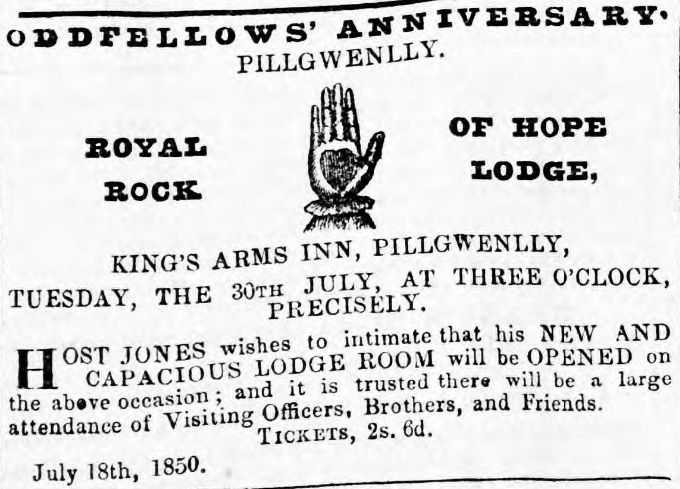
William Jones, King's Arms Inn. Pillgwenlly — £21
James Westall, Crown lnn, High street — £1 8s. 7d. — Mr. Westall: I also make a claim for £12. for damages done to furniture. — Mr. Davis, magistrates' clerk: The Hundred is not liable for that amount, as you did not make the claim at the proper time. — Mr. Westall: This comes of electioneering. (Laughter) — Mr. Davis Go to Mr. Bailey, and ask him to pay it for you. (A laugh.)
James Venn, private house, Pillgwenlly — £9 3s. 11d. — Applicant: I live in Castle-street and keep a private house. The mob smashed my windows, and beat in my window shutters– Mr. Pope: How came your house to be attacked? — Applicant: I can't tell, sir. — Mr. Pope: What party did you belong to? — Applicant: Blue, sir.—Mr. Pope: Had you any colours or flags flying? — Applicant: No. sir; none at all.—Mr. Pope: Then I think it strange that a private house should be attacked, without any provocation at all.
David Jenkins, Orange Tree beerhouse, adjoining the last. £6 15s. 6d.
Frederick Clarke, Cross Keys Inn, Market-street — £2 8s. 9d.
Edmund Jones, Parrot Inn, Commercial-street — £26 15s. 2d. — This house suffered most. — Mr. Langdon said he had surveyed the damage, with Mr. Morris and Mr. Campbell. — Mr. Pope: Is Mr. Bailey going to pay this amount? — Applicant: Nil, sir. Mr. Pope thought the hon. member was to do so, Mr. Campbell having taken part in the survey. — Mr. Langdon said that the damage done to the Parrot, consisted of the smashing of 213 squares of glass, three pairs of sashes and a single sash, several shutters and doors, and glasses and furniture.
John Lloyd. King's Head Hotel High-street £3 10s.
Moses Scard Angel beerhouse, Commercial-road £4 7s. 7d.
Isaac Rees — 10s. 6d., for 21 squares of glass.
John Pritchard, Plough Inn, Commercial-street £7 15s. 6d.
Wm. Lewis, Wiltshire beerhouse — £2 2s. 4d.
Abraham Wilbraham, Steam Packet Inn — £2 10s.
— Monmouthshire Merlin, 7th May, 1852
Beautifying Pill
Another point which came before the Committee was the beautification of the lower end of the town through planting. Temple street and Portland street with trees. These two roads are very broad (there were railways down them at one time); they are expensive to maintain; and it is suggested that down each street an avenue of trees should be planted, with seats for the public, and on each side; 18ft. road for, traffic going and returning.
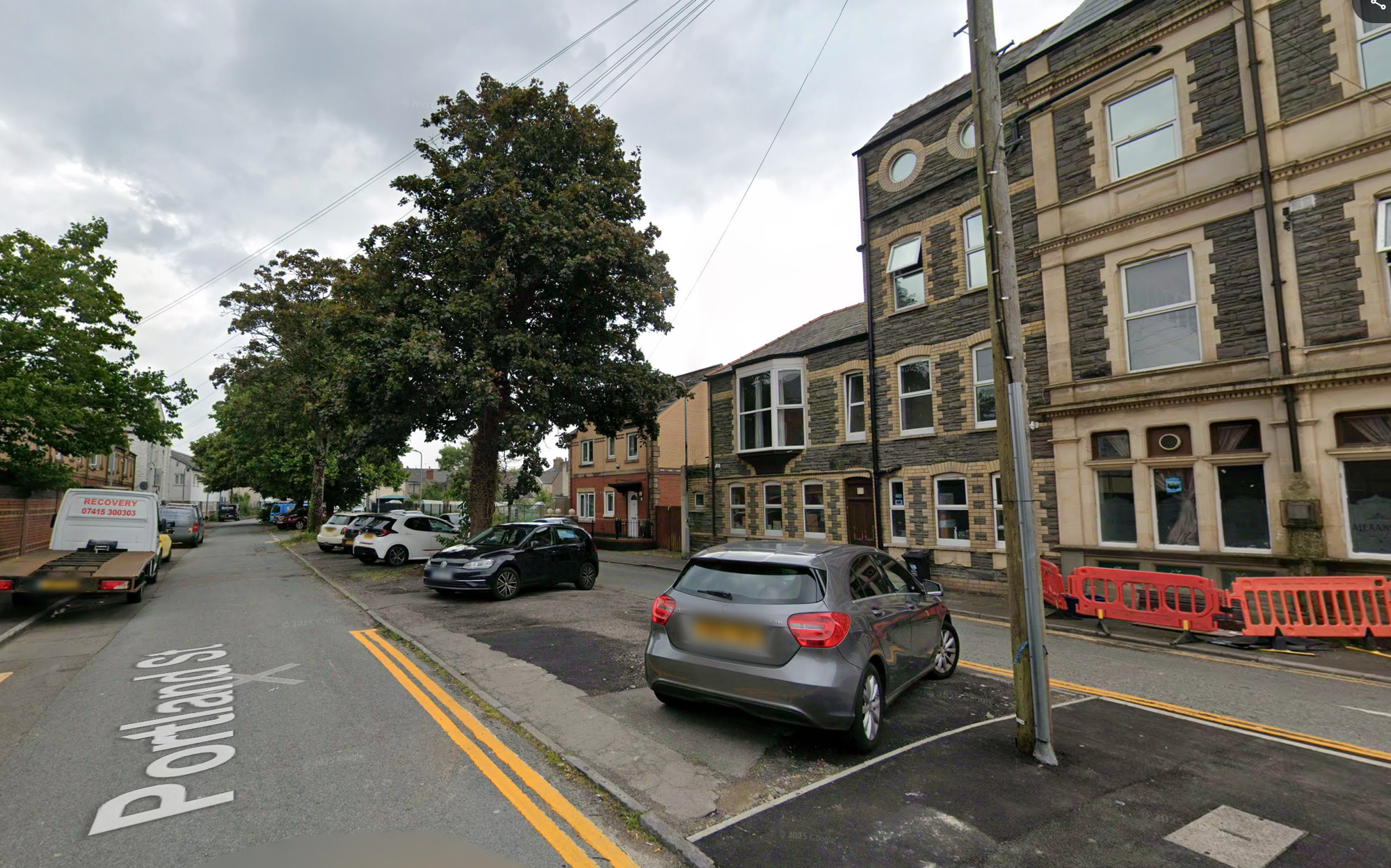
— South Wales Argus, May 13th, 1911 (Subscription Required)
Mr Bryan's Lamp
A lengthy discussion ensued as to the lamp recently erected by Mr. S. Bryan, tobacconist, &c., Commercial-street. It was resolved that the terms of the resolution, giving permission to Mr Bryan to erect the lamp be strictly enforced — viz., that it project not more than three feet from the wall. It was also remarked that the Board contemplated only an ordinary size lamp being erected and several members expressed disapproval of so large a lamp being allowed, Alderman Davis inquiring, if it were permitted, how the Board could object to Mr. Sheppard, or any other grocer, erecting a golden canister of equal size?
— Monmouthshire Merlin, 1st December, 1866
'A Lamp on Quiet Woman's Row'
A public lamp has been placed on the west end of Quiet Woman's-row, where the line of rails is within about two feet of the street corner, and it was lighted for the first time last night. Two red panes are intended to be inserted in the lamp, with the words 'Beware of the engines' stained therein, so as to reduce the danger to the public as much as possible. An application is now made for another lamp in the same street, which is still in a dangerous condition from the want of light.
— Monmouthshire Merlin, 1st December, 1866

'Friar's Fields Robberies'
An Irish labourer, from Llantrissant, named William Sullivan, was robbed of two £5 notes, of the West of England Bank, and about a pound in silver, on Saturday night last, by a female in Friars' Fields; and John Evans, of Abersychan, was robbed, in the same quarter, of £2 10; neither of the thieves were discovered.
— Monmouthshire Merlin, 7th May, 1852
Very 'Heavy Wet'
A foolish fellow, last Tuesday afternoon, imbibed such large quantities of "moistening," that he was induced to strip off his clothes at the Rodney Parade packet-slip, and take a plunge into the tide, which was running out rapidly at the time. He had miscalculated his strength, and the amount of his sobriety for the tide carried him down so fast, and rendered him so powerless, that had not a friend put off a boat to his assistance, he might have been drowned, as the reward of his drunken temerity.
— Monmouthshire Merlin, 7th May, 1852
Bill Stickers Rivalry
James Lewis, the prince of bill-stickers, and who, like other great men in certain spheres, is an advocate for prescriptive rights, made his bow this morning before his Worship, to answer the charge of "wantonly, maliciously, and wilfully destroying certain bills," which bad been posted on exhibition boards at the Town-hall, by one of Mr. Lewis's opponents in the bill-sticking profession.
Mr. English stated the nature of the case; and was followed by the defendant, who with a very musical voice, and amusing action, cried out,
"You can't prove it: the proof of the pudding is in the eating of it. I'll go to a higher court; for I knows a bit of law, and more nor you thinks of."
And Lewis was right; for there was an absence of positive proof, although it was shewn by Mr. English that but little reason existed for believing defendant an mnocent man. Lewis, also, followed up his cogent observations, by saving, "Ah! you can't find a fellow guilty 'pon suspicion only and you'd better mind, Mr.English, as I don't sue out your mittimus in the 'Chequer Court some of these fine days; for I've been to get a bit ot law, and I knows more on't than you thinks for."
The Mayor, finding the charge was not fully made out, cautioned Mr. Lewis not to allow his feelings to get the better of his prudence, when he saw a rival bill-sticker's work against a wall; and intimated to him that the police would keep their eyes on his future bill-sticking movements.
— Monmouthshire Merlin, 4th May, 1850
'Bastardy'
Richard Smith was summoned for bastardy, by Jane Doughty. — To pay 2s. per week
David Rogers was summoned for bastardy, by Harriet Hooper. — To pay 2s per week.
Thomas Flowers was summoned for bastardy, by Maria Pelliner. — To pay 2s per week.
— Monmouthshire Merlin, 14th May, 1852
'Stealing from the Alice Yeo'
Richard Carthy was charged with stealing from the schooner Alice Yeo, lying at the Penner Wharf, two flannel shirts, and a "sou'-wester," the property of Samuel Gloyne.—H P.O. Growther said on receiving information of the robbery he went on board the schooner Jewess, lying alongside the Alice Yeo. He asked the captain permission to search the vessel, and on receiving it, he searched the forecastle, and in the prisoner's berth one of the shirts (produced) was concealed in a bag. The other articles were under the bed. Witness asked the prisoner how they come there, and he said a man hid brought them there, and he was to come for them in the morning. Witness asked the prisoner what was the description, and he said he had a light trousers and a smock on. Witness then took him into custody, and on the way to the station the prisoner said a boy belonging to the vessel had been on board three days cooking, and he had taken them on board. Samuel Gloyne, the prosecutor, proved that the articles were his property. He missed them from the forecastle on Sunday night about nine o'clock. Witness did not know the prisoner.
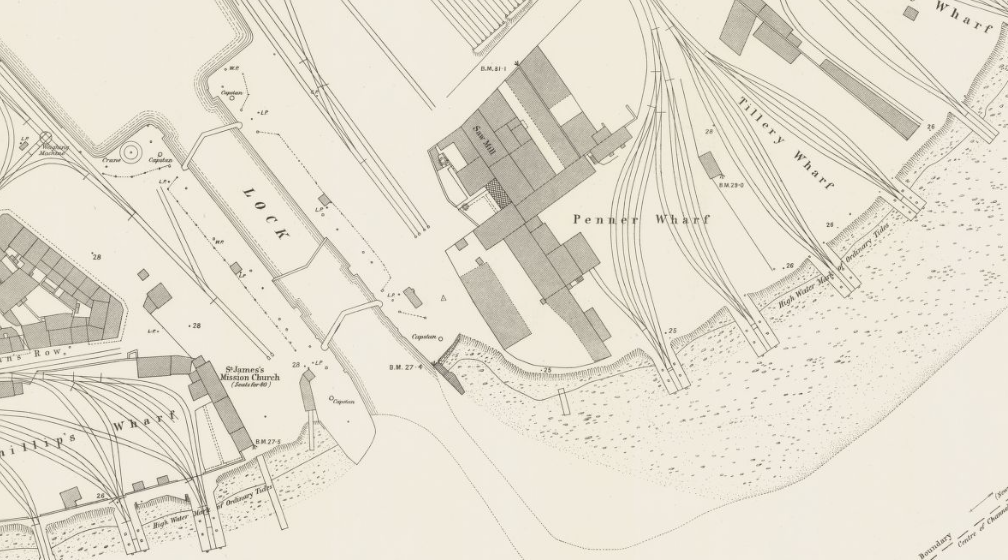
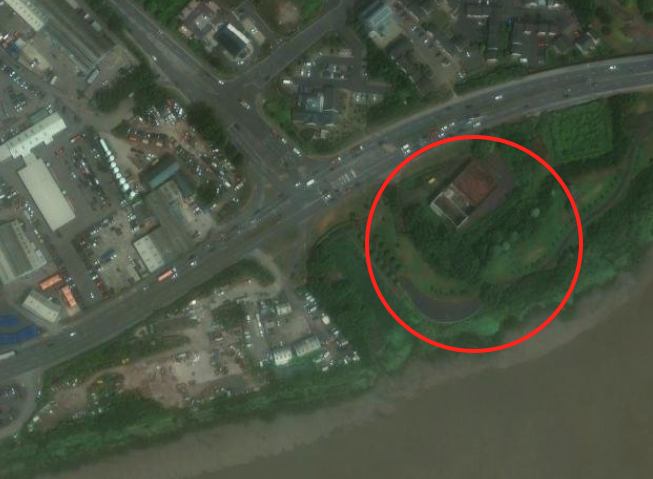
Location of Penner Wharf
Prisoner was then further charged with stealing a pair of drawers and a pair of trousers, the property of Wm. West, belonging to the Alice, Yeo.—H.P.C. Growther stated that he apprehended the prisoner on Sunday. He found the articles in the forecastle on board the Jewess. There was also a muffler with the articles. Witness charged him with stealing them, when he denied any knowledge of the things being there —William West the prosecutor, said he was a sailor on board the Alice Yeo. The articles produced were his property, and he left them in a bag in the forecastle. The things were safe when he went on shore on Sunday evening. —John Barry, a lad about thirteen years of age, was sworn, and stated that he was cooking on board the Jewess, but he was not on board after Saturday evening. He did not place the things on board, neither did he know anything of it.
Prisoner said Barry was not the boy to whom he had alluded, but the constable stated that he had made inquiries, and the captain said there had bren no other boy on board. He pleaded guilty of receiving the articles in the first case, but denied any knowledge of the second. The prisoner was committed for one month hard labour on the first charge, and the second charge was dismissed.
— Monmouthshire Merlin, 3rd March, 1866
'Notorious Beerhouse'
Charles Church, keeper of a notorious beet house in Pillgwenlly was summoned for non payment of £1 13s. poor rate. — Mr Lewis: I am sorry to say, gentlemen, that when I went into this house, after serving them with a notice three months ago, I saw shocking bad conduct going on there — girls and all the rest of it. — Mr H. J. Davis said the house was carried on by the son in the father's name; and he had recently, in convicting the keeper of the house, warned him as to his improper proceedings. — Ordered to pay.
— Monmouthshire Merlin, 11th June, 1852
'The Rookery'
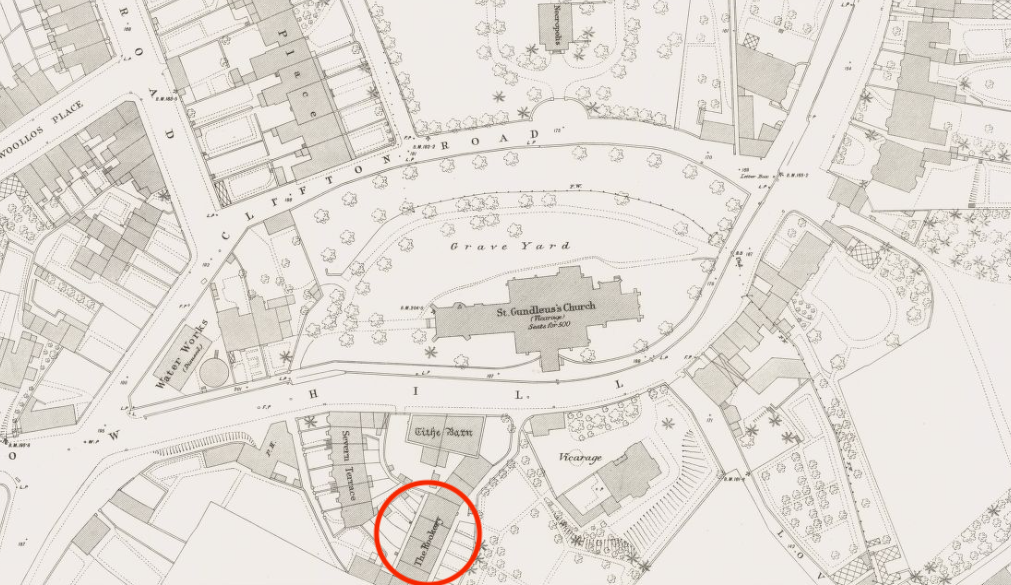
William Palmer, a labourer, residing in the Rookery," Stow-hill, was charged with being drunk and assaulting the police. — P.C. Rawlins deposed that he saw defendant incapably drunk in Hill-street, and on attempting to bring him to the station, he resisted, and struck witness two very severe blows under the ear. —Defendant pleaded guilty, and was fined 10s., including costs, or 14 days' imprisonment.Defendant: "Thank you, gentlemen, I can do that standing on my head." He was then locked up.
— Monmouthshire Merlin, 6th June, 1863
'St Tib's Eve'
A correspondent, who signs himself "Not a Builder," cautious carpenters and masons against certain unprincipled prowlers, who show their faces, even in this honest neighbourhood, enter into contracts for erecting houses, and bamboozle hard-working and honest carpenters and masons, who will not get their money until St. Tib's eve, which is neither before nor after Christmas.
— Monmouthshire Merlin, 7th May, 1852
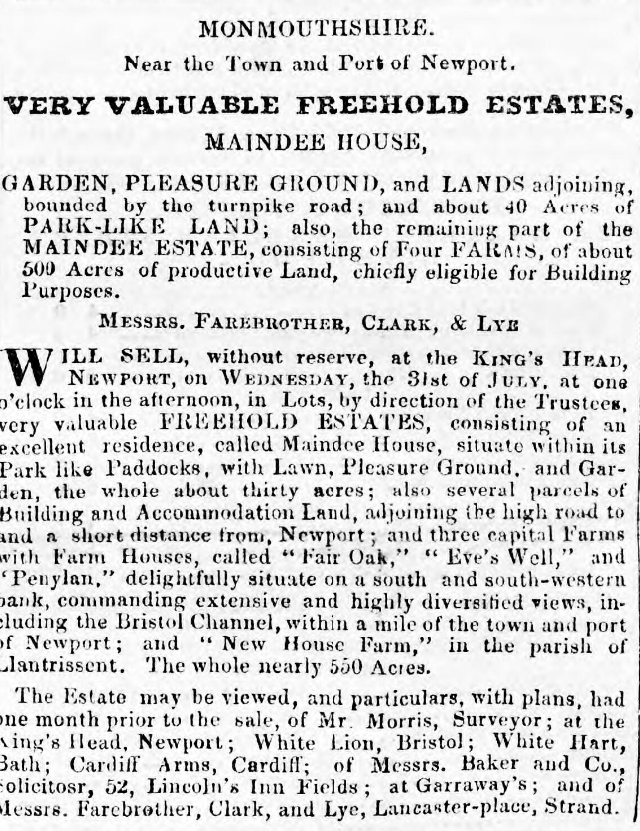
'An Early Mention of Jeddo Street'
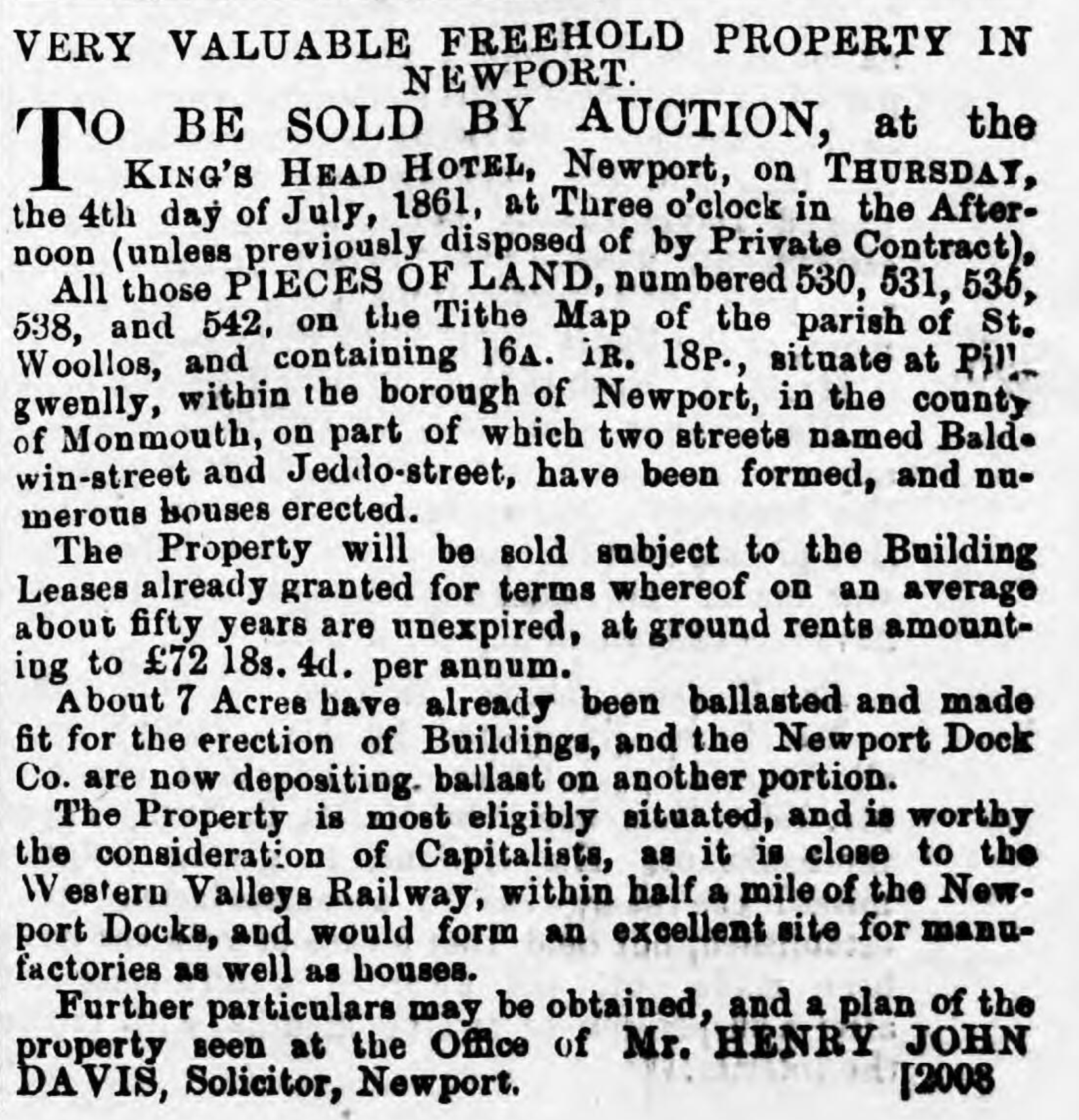
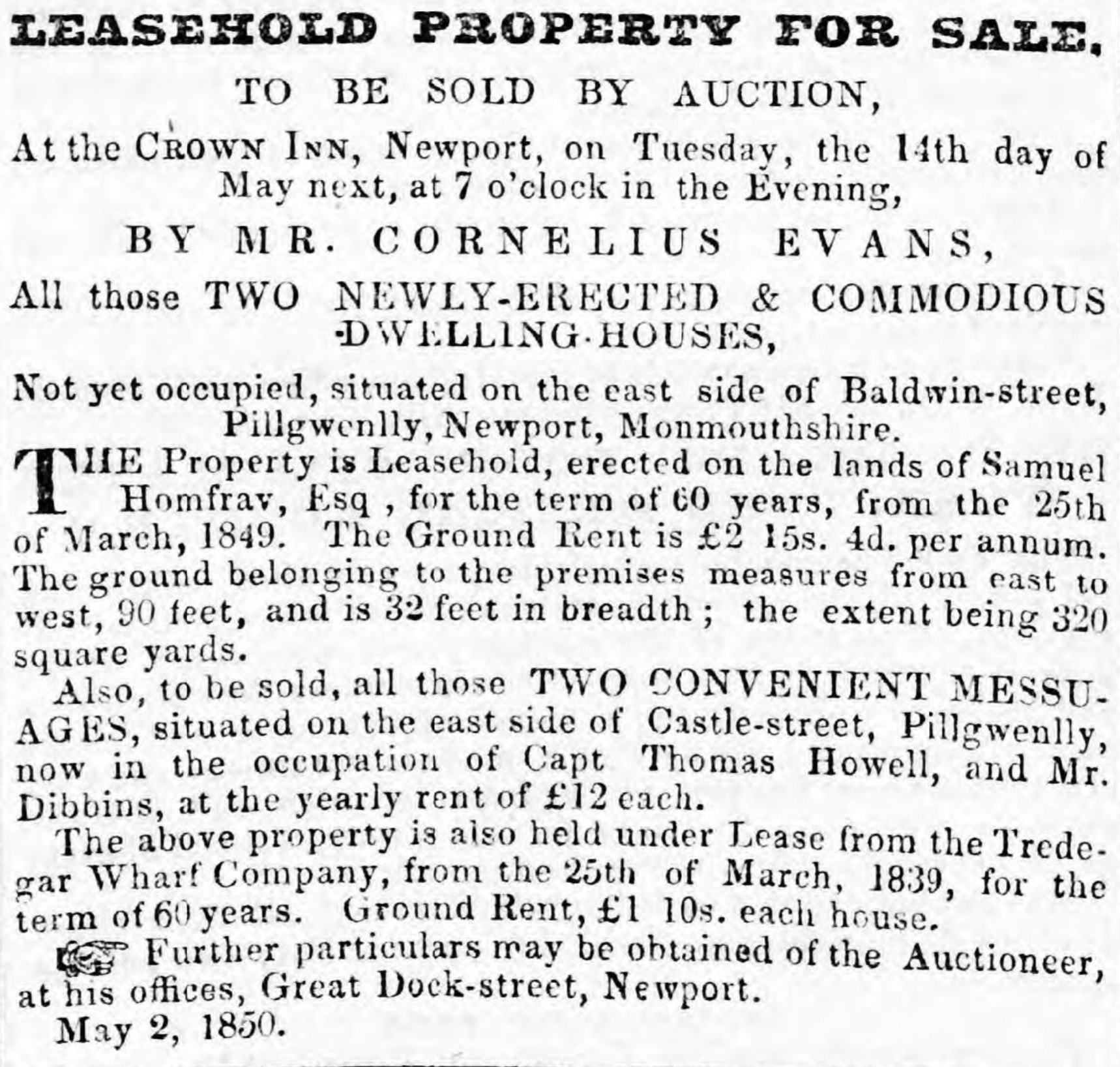
An early advert in the Monmouthshire Merlin in June 1861 mentions plots of land for sale (530, 531, 535, 538 and 542) for sale in Pill where two streets, Baldwin and Jeddo have been formed. So far this is the earliest mention that I've found of Jeddo Street and based on the date of June they could well have been built that year.
Ryan Pimm, author of The Street Names of Newport, hypothesises that Jeddo Street may have been named after Jeddo which until 1868 was the old name for Tokyo.
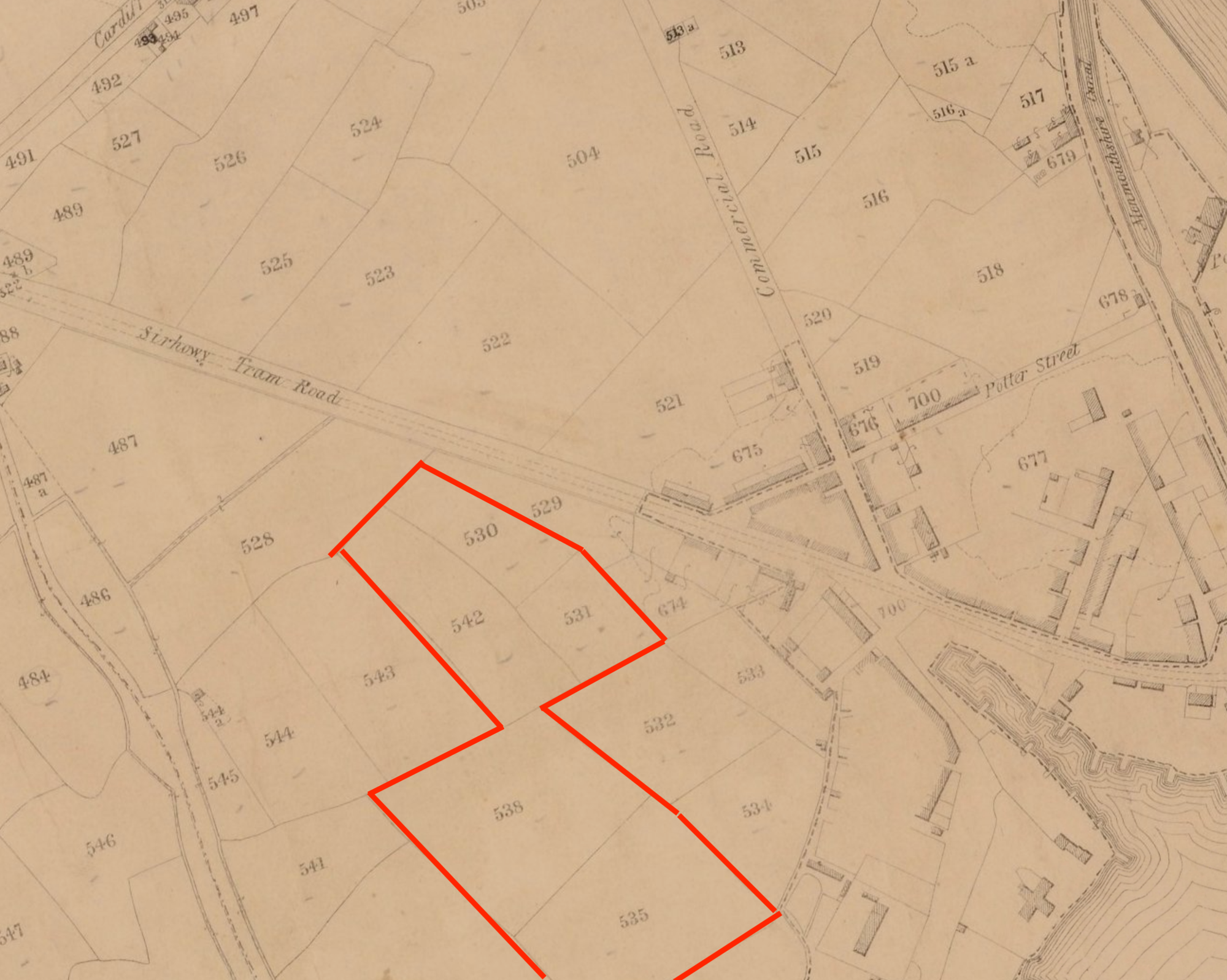
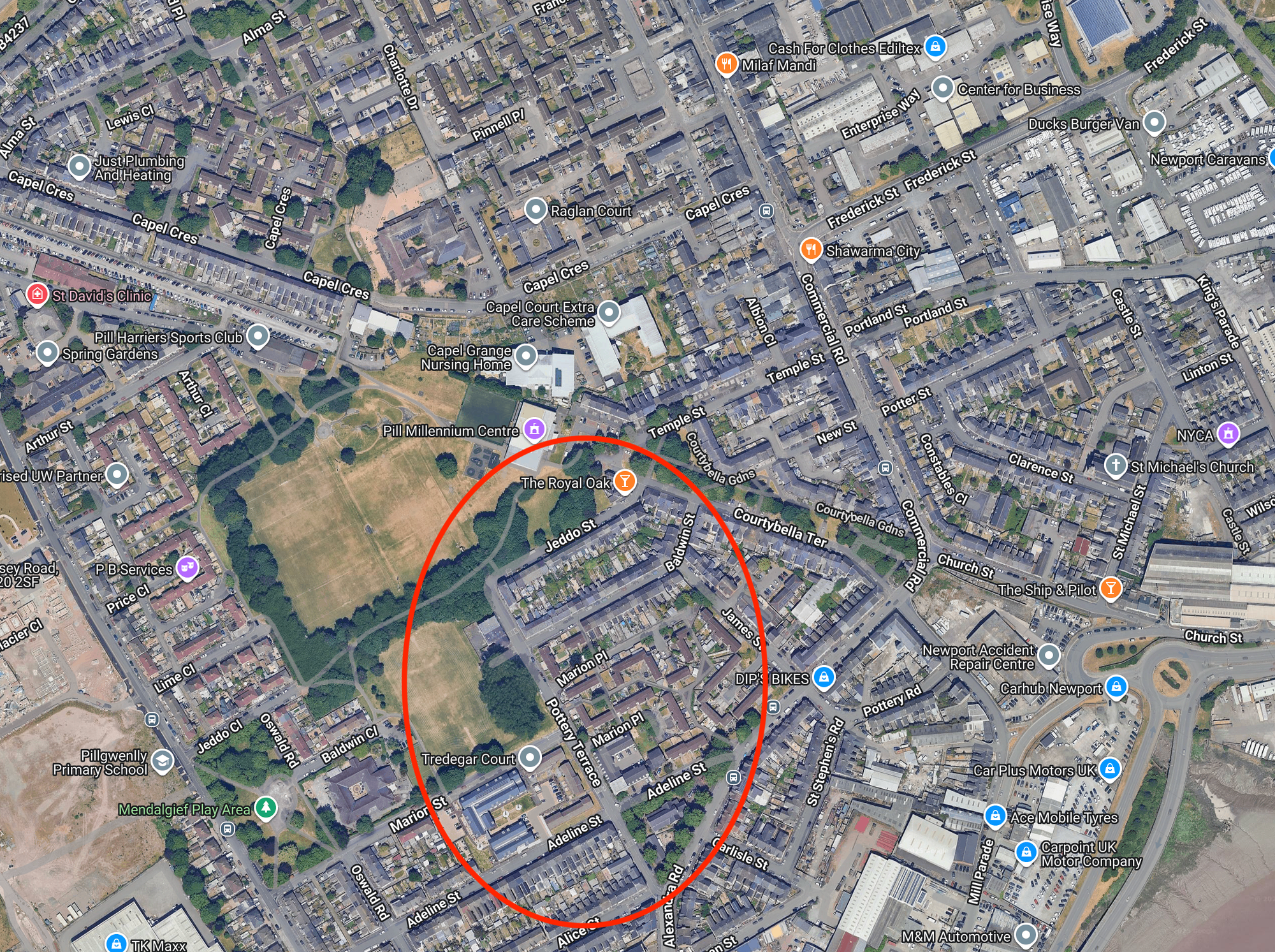
The plots of land mentioned in the advert.
Interestingly, Butcher's Street Directory of 1876 on Newport Past doesn't mention Jeddo Street despite it being there for at least 15 years. It also doesn't mention Baldwin Street which appears to have been there even longer with a mention of a house being built and leased from March 1849.
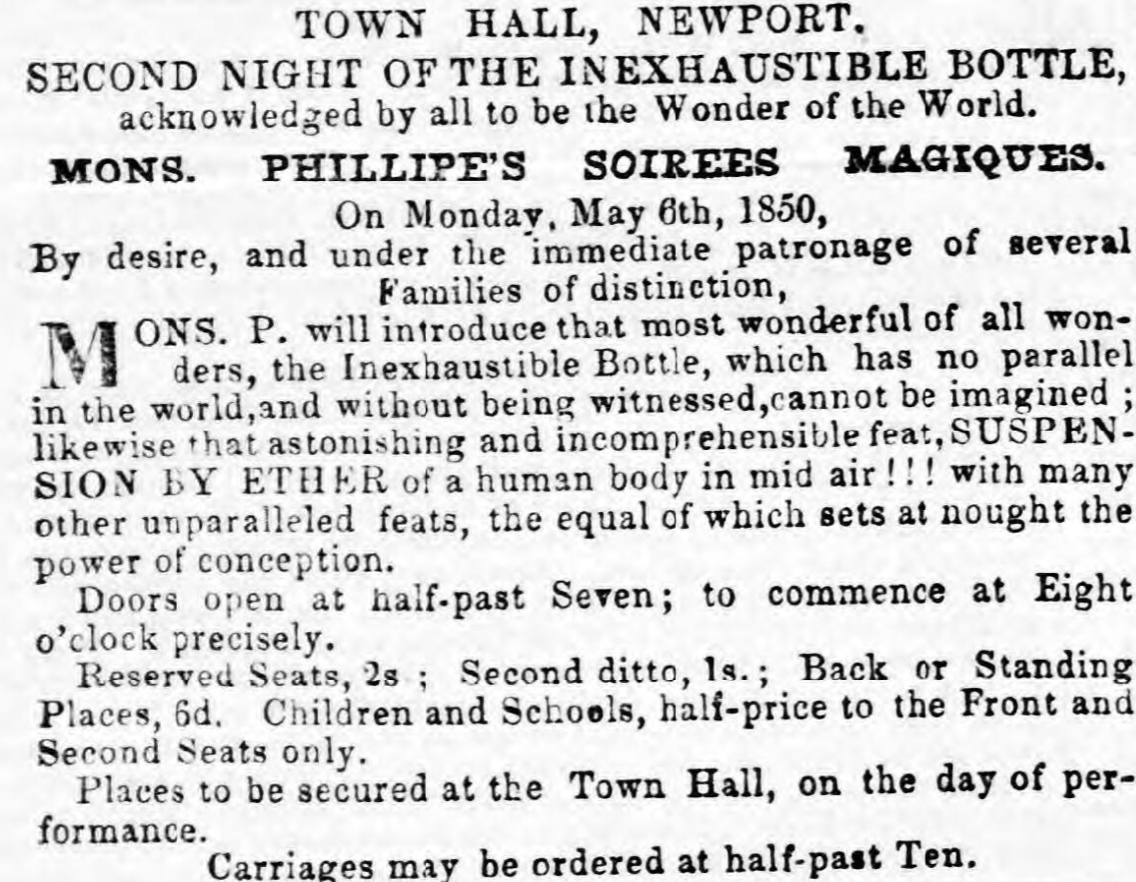
Professor Phillipe: Newport’s Own Magician and the “Inexhaustible Bottle”
In 1850, Newport audiences were invited to the Town Hall for an evening of “Soirées Magiques” by a conjurer billed as Monsieur Phillipe. The star attraction was the celebrated Inexhaustible Bottle, an illusion in which a bottle apparently produced a variety of drinks on command. It was one of the most popular stage tricks of the nineteenth century, and Phillipe’s advert promised it as “the Wonder of the World.”
Local readers, however, would have recognised more than a visiting magician with a French-styled name. A report in the Monmouthshire Merlin reveals that this Professor Phillipe was previously known in Newport under a different identity: Mr Graham, an actor and the former manager of the Newport Theatre roughly a decade earlier. The newspaper notes that he had been “estimated as a good actor in the theatrical world” and had enjoyed “great success” in his managerial role before returning to the town in the new guise of a stage magician.
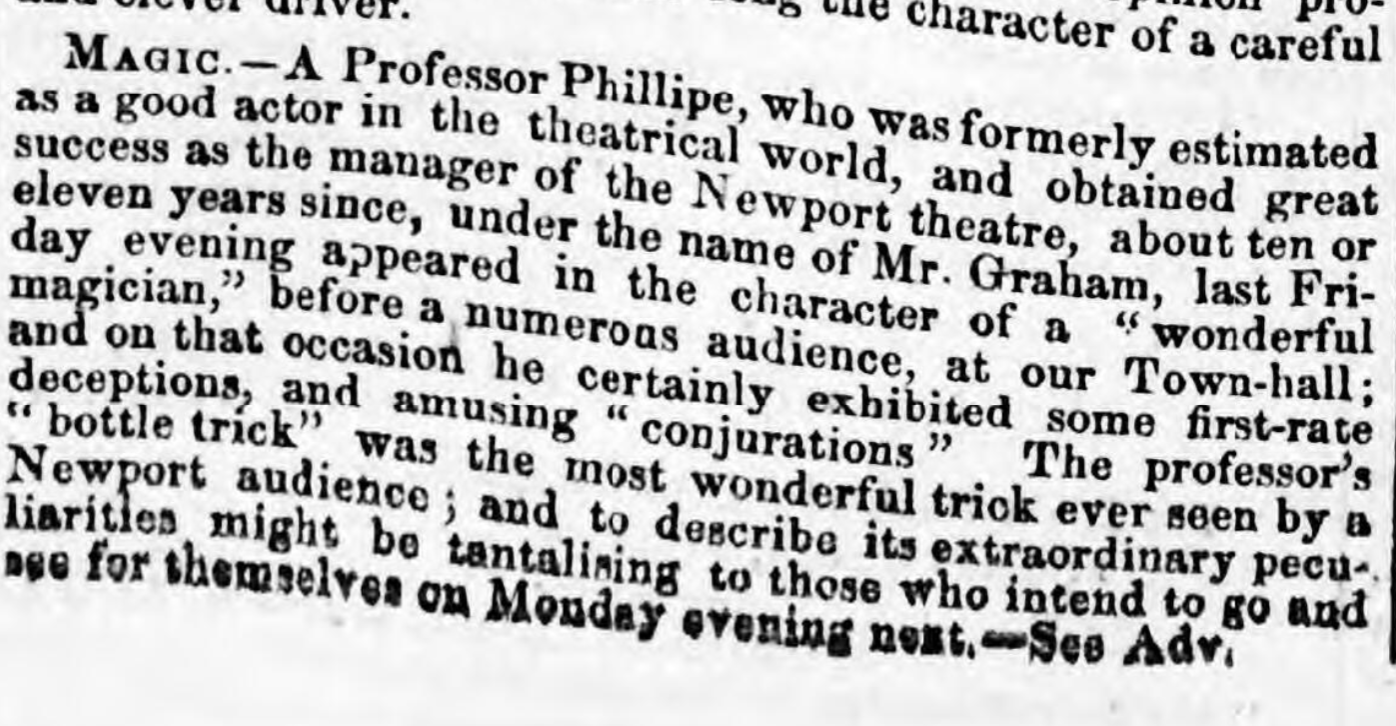
By the time of his 1850 appearance, Phillipe had rebranded himself with the fashionable continental flair that was common among Victorian performers, particularly those working in magic or music. The Merlin describes a well-attended performance featuring “first-rate deceptions” and “amusing conjurations,” with the bottle illusion singled out as “the most wonderful trick ever seen by a Newport audience.”
This makes the Newport Phillipe a figure very different from the French conjurer of the same name mentioned in later histories. Rather than an international touring magician, he appears to have been a regional theatrical professional, familiar to local audiences and capable of reinventing himself for changing tastes in popular entertainment.
The 1850 advert and accompanying newspaper review preserve a fascinating glimpse of Newport’s own contribution to Victorian stage magic: a former theatre manager who returned to the town not behind the scenes, but centre stage, offering one of the era’s best-loved illusions to an eager audience.

The Public Clock
The proprietor of the "public" clock, Mr. Latch, jeweller, High-street, has just completed the re-gilding and painting of that useful indicator of time it, the front of his house and a correspondent suggests, that the gas company might possibly be good enough to present a gas light to the public, as a fitting companion-gift, with which to illuminate its face at night. So liberal a company will scarcely need a repetition of the hint.
— Monmouthshire Merlin, 11th May, 1850


Member discussion