

Welcome to another issue of The Newport Cornucopia where we dig through the newspapers archives for interesting news articles and adverts. All articles are posted verbatim and most headlines are original (headlines in quotes are my own).

'Where was Tom Matthews's Lane?'
In a letter published in the Monmouthshire Merlin in 1844, a resident of Caerleon complained about the state of two lanes — White Hart Lane and Tom Matthews's Lane. White Hart Lane runs alongside the White Hart pub, but where was Tom Matthews's Lane?
Caerleon Thoroughfares
Sir, I wish to call the attention of my fellow-townsmen to the state of the thoroughfares, known as Tom Matthews's Lane, and the White Hart Lane, as they are actually a disgrace to the town, having of late become the receptacles of filth 0f all descriptions.
As a road rate is to be made, I call upon those upon whom the burthen will fall to look into the matter. There being other nuisances, however, which ought to be removed, I will, in a future number of your journal, with your permission, bring them more fully before the public, as my present communication, might, I apprehend, occupy as much time as may conveniently be spared.
I am, sir, yours, very truly,
JULIUS.
Caerleon, Jan. 11, 1844
— Monmouthshire Merlin, 13th January, 1844
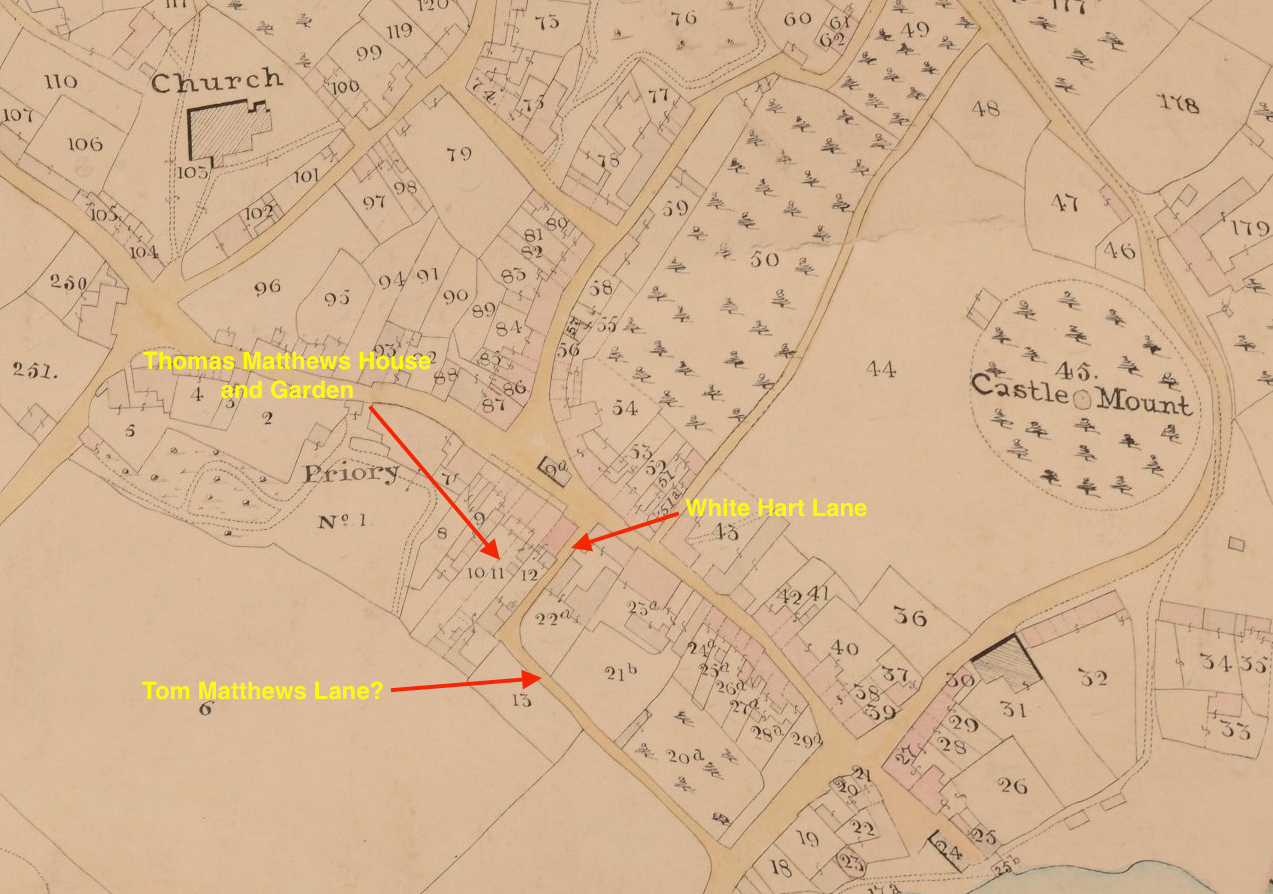
The tithe map from a few years before the letter shows a Thomas Matthews living very close to White Hart Lane. White Hart Lane today runs alongside the pub and around the corner but perhaps the one portion used to be known as Tom Matthews's Lane or the names were interchangeable.
Destructive Fire — Narrow Escape of Human Life
An awful fire, imminently periling the lives of six human beings, whose preservation from a frightful death, may well be deemed providential, took place at the premises of Mr. Munday, grocer, High-street, in this town, early on Sunday morning last.
About twenty minutes before six o'clock, families residing at the oppsite side of the street,were alarmed by the cries of "fire," and "murder," with loud and continuous screaming. Mr. Hawkins, surgeon, and other neighbours, at once rushed to the windows, when the gentleman named beheld a female on the outside of the bedroom window on the upper storey, clasping an infant under her left arm, whilst with her right hand she clung to the lower sash,—dense volumes of smoke issuing from the room; and at the adjoining window appeared Mr. and Mrs. Munday, with another child—Mrs. Munday frantically exclaiming to the girl holding the infant, "Oh I hold the child."
In the meantime, the fire, gaining admission into the rooms with force, the situation of the girl first alluded to, and another servant who had held the infant out of the window in the first instance, to save it from suffocation, became extremely alarming the latter having her night-dress literally burned on her person, and the hand and arm of the holder of the infant, suffering from the fire; indeed, the whole of the family being in such an awful dilemma as to be about to fling themselves from the windows on the flags, or to fall victims to the devouring element.
From the first discovery of the female crying for help at the window to this fearfully-critical state of things, the time was exceedingly brief, and if succour had not been at once obtained, fatal consequences would probably have resulted. Mr. Hawkins thought that a ladder might be had at the new building now being erected at the King's Head Hotel, and fortunately one was immediately obtained, a young man named Edwards, climbing over the gate to get it.
By this means extrication was effected for all the inmates, the servant, whose night dress was consumed upon her, jumping upon the under sash of the window and over her fellow-servant, to the top of the ladder, as soon as raised, Mr. Owen, a surgeon, taking off his coat, and affording it to the poor creature, those at the other window being aided down. The girl was then conveyed, sadly suffering from literally curtains of flame which had began to shroud her, to the hospital of the Newport Union, where she has assiduous medical attention and is, we are glad to learn, likely to recover.
Mr. Munday, his wife, and a child about two years old, who were more or leas injured, with scorched clothes, were at once conveyed to the house of Mr. James Salter (who was labouring under illness), put to bed, treated with the kindest attention, and are recovering from their injuries.
The rescuers of the sufferers being thus fortunately effected, efforts to arrest the devouring element and save property, were energetically commenced and it is but justice to award a high meed of praise to Mr Huxtable, the superintendent of police, and those of the force who acted under him, for their energy, zeal, and efficiency. Water was at once obtained from the fire-plugs besides which, the close approximation of the canal, afforded ample supplies, and the Superintendent worked the engine, which (unlike on a former occasion of fire), was in capital order, with the skill of a fire-brigade leader.
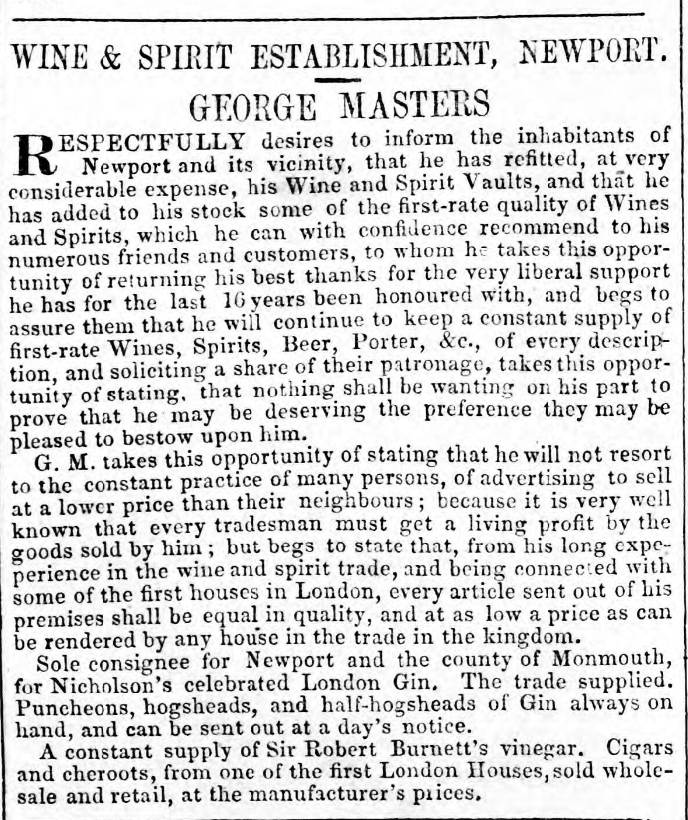
Several gentlemen also rendered such admirable service, that although Mr. Masters' liquor establishment, and the cook-shop at the other side, had caught the flames, and an out-house of Mr. Masters' had actually been consumed, the fire was successfully subdued in all but the premises of Mr. Munday. Had the fire taken firm hold of the wine and spirit vaults, the consequences would have been disastrous to an extent which it is awful to contemplate, as the conflagration would doubtless have razed property to a most alarming extent.
Amongst those who were most active in rendering prompt, indefatigable and efficient aid in arresting the progress of the calamity, we may mention the names of Mr. James Hawkins, Mr. Owen, surgeon, Mr. David Harrhy, Mr. Lloyd, jun., and Mr. Illingworth. Mrs. Lloyd, and other ladies, acted as good Samaritans on the occasion. The fire had evidently been smouldering for a considerable time and as there is some ambiguity as to the spot wheremit commenced, we suspend our judgment pending an investigation.
The outburst of the fire was only perceived by Mr. Munday and the servants when the bedroom doors were opened, and the lower part of the house was in flames. "With the exception of the shop and sitting- room, the premises present a mere wreck. Much consideration is felt for Mr. Munday—an industrious and honest tradesman, with a young family—whom the misfortune may be said to ruin for although he had effected a small insurance on his goods, it will go nothing near to covering his losses. Even the clothes of the family were all consumed. We are glad to hear that many of those whom Providence has blessed with the means of aid- ing a suffering neighbour in deep affliction, are likely to extend succouring hands.
— Monmouthshire Merlin, 17th October, 1855
Published shortly after was a letter from neighbour George Masters.
The Calamitous Fire in the High Street
Being one of those living in close proximity to the destructive fire which unfortunately took place on Sunday morning last, I wish to make known all the particulars that I know connected therewith.
About six o'clock on Sunday morning, I was awoke by a loud knocking at my front door, with the cry of "House on Fire!" Upon jumping out of bed, to my horror, I perceived that a small warehouse belonging to me, and an adjoining one of my neighbour, Mr. Munday, were in one mass of flame; and as they were closely connected with the wood work of Mr. Munday's house, I thought the total destruction of that and my own house and premises was inevitable. My worst fears were all but realised for within half-an hour after the fire was discovered, Mr. Munday's house was all on fire, the flames bursting through all the windows, and the stairs, from the bottom to the upper part of the house, being in a complete glow, like a furnace.
As the unhappy and paralysed inmates, consisting of Mr. and Mrs. Munday, their two children, and two servant girls, slept in the upper part of the house, there was no possible means of escape except from the upper window. The rapid destruction of all appeared certain ladders were sought for, and brought, but not one of them would reach within yards of the upper windows but fortunately, at this moment of agonising suspense, it was ascertained that there was a ladder, of the required length, belonging to Mr. Bolt, builder, at Mr. Lloyd's, the King's Head Inn. This was immediately brought, and with it, the whole of the inmates were carried safely down, almost in a state of nudity.
Mr. Munday, his wife, and one of the servant girls, who had the eldest child in her arms, were most terribly burnt for they had not been extricated from their perilous situation two minutes before the room in which they were was filled with flames. The sufferers were conveyed to the houses of their respective friends, and under the skilful and assiduous attention of Mr. James Hawkins Mr. J Brewer, and Mr. David Owen, are, I am happy to hear' getting on well.
Too much praise cannot be given to Mr' Owen, for his generous and strenuous efforts upon this occasion he stripped himself of his frock coat, wrapped it around the naked girl, who was dreadfully burnt and then carried her down the ladder, and subsequently paid her the kindest attention. Within a quarter of an hour, all my neighbours came in breathless haste, to lend a helping hand and a very short time after, Mr. Superintendent Huxtable, and all his force, arrived with the town engine and in my humble opinion—and I believe it is the feeling of every person present—no body of men could have done their duty better, or have exerted themselves more strenuously.
To those kind neighbours, who fled, as I may say, to the rescue, situated, as I was, so near to the post of danger, I cannot be too grateful. It is impossible to recollect and individualise all; but the first persons on the spot were Mr. J.Lloyd and Mr. J. Lloyd, jun., of the King's Head Inn; Mr. David Owen and Mr. James Hawkins, surgeons Mr. David Harrhy, wine and spirit merchant; Mr. B. Jefferies, and Mr. Benjamin and James Jefferies, junrs. j Mr. Phillips and Mr. Morris, chemists and druggists Mr. Nugent Wells, silversmith; Mr. R Webb, ironmonger; Mr. John Clark and Mr. John Rudge, corn merchants Mr. D. Davies, currier, &c.; Mr. Roberts, coach-builder; Mr. Harris, jun., and all the clerks of the Post-office Mr. Compton, grocer, and assistants, with many others, all of whom worked most energetically in subduing the flames, and preventing the spread of the fire, thereby saving life and property.
The ladies, as usual, were not behind in their kind and philanthropic exertions. Mrs. Lloyd, with her usual generosity, was upon the spot, and supplied several garments to cover the wretched sufferers; Mrs. Allen, (of the Bridge Inn), Mrs. Jefferies, Mrs. James Hawkins, Mrs. Grout, and other ladies in the neighbourhood, deserve much commendation for the kind and generous manner in which they offered a temporary home to the family.
In conclusion, I beg to return my most sincere and grateful thanks to all parties who rendered their kind assistance upon this melancholy occasion,
And remain, sir, yours respectfully,
GEORGE MASTERS. Newport, October 18th, 1855.
— Monmouthshire Merlin, 20th October, 1855
'Landlady Falls Out of Old Green Hotel Window'
A strange affair is reported from Newport, where, shortly before 12 p.m. on Monday Mrs. Francis, wife of the landlord of the Old Green Hotel, High-street, was discovered in an unconscious state by Police-constable Taylor.
It appears that Mrs. Francis was about to retire for the night when she missed her footing and fell out through the window. With the assistance of three other men the police officer carried the woman into her house, and Dr. M'Ginn was immediately sent for. Upon examination the medical man found that Mrs. Francis had received a concussion of the brain, as well as injury to her spine.
— Weekly Mail, 16th August, 1902
'On This Day: 1863'
Using the Monmouthshire Merlin, here are some snippets from this day in 1863.
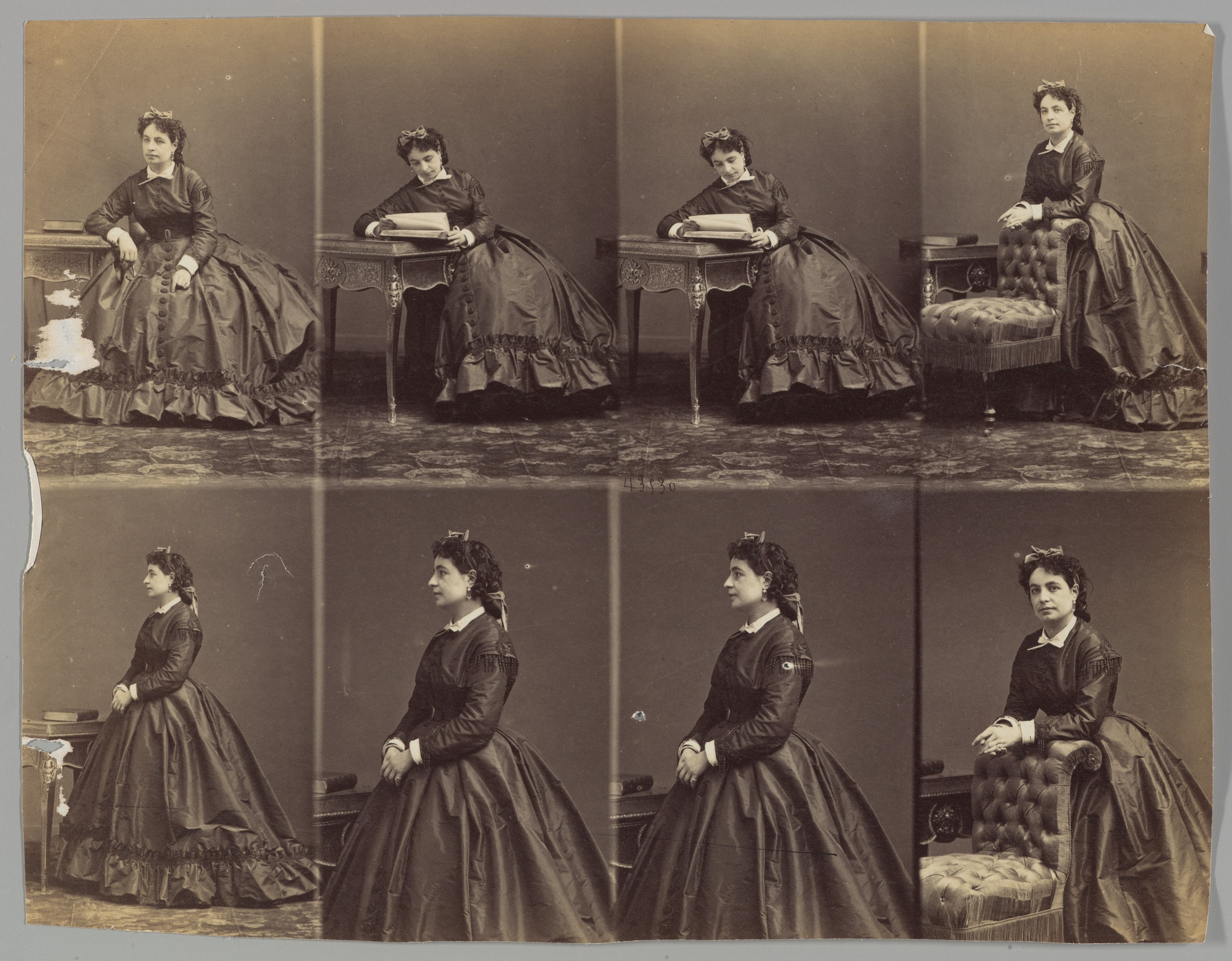
'Carte-de-Visite Portraits'
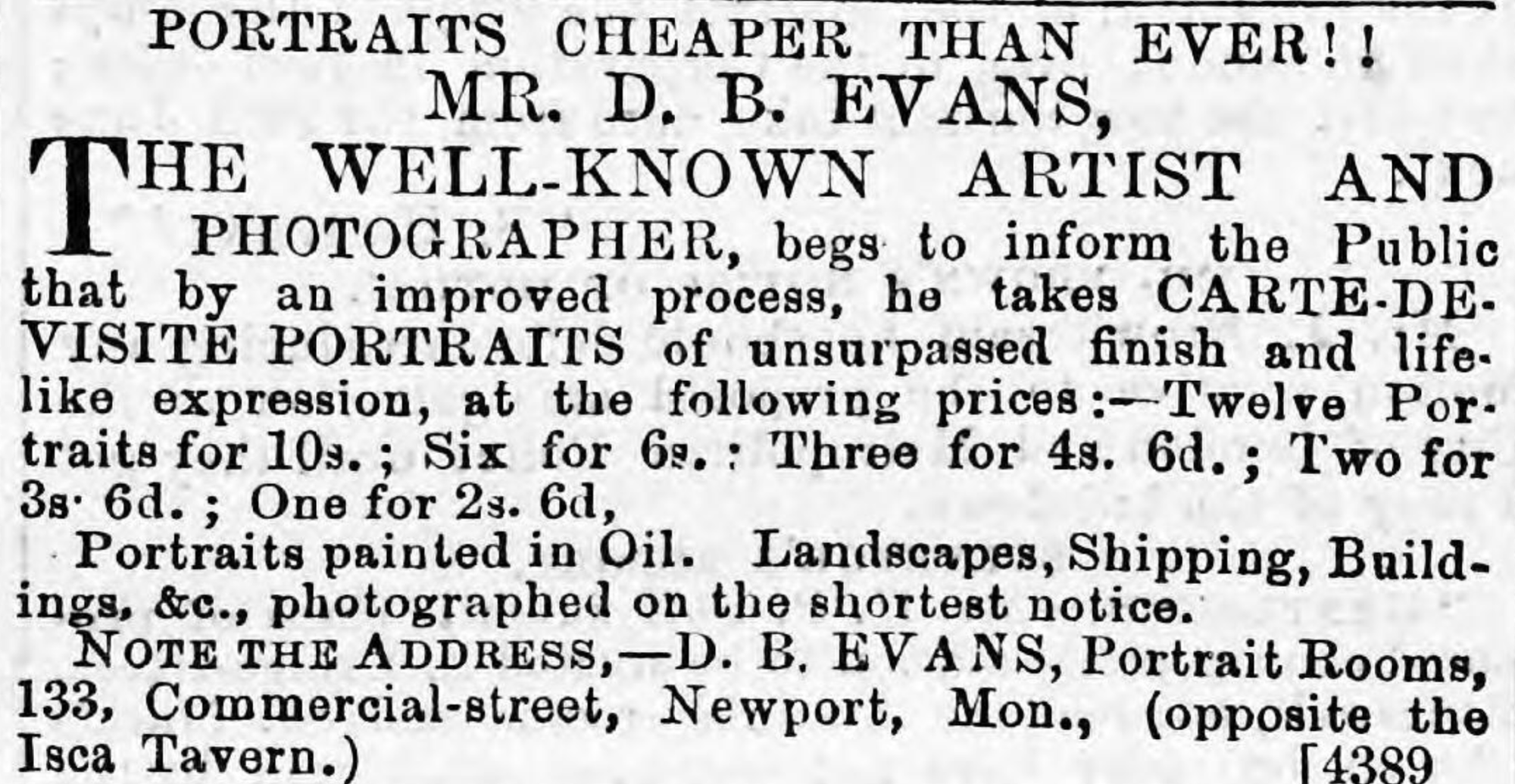
The carte de visite was a format of small photograph which was patented in Paris in 1854. It was commonly called the visiting card. From Wikipedia...
Each photograph was the size of a formal visiting card about 4½ x 2½ inches (11.4 x 6.3 cm) and such photograph cards, in what has been called an early form of social media, were commonly traded among friends and visitors in the 1860s. Albums for the collection and display of cards became a common fixture in Victorian parlours. The popularity of the format and its rapid uptake worldwide were due to their relative thrift, which made portrait photographs accessible to a broader demographic, and prior to the advent of mechanical reproduction of photographs, led to the publication and collection of portraits of prominent persons. It was the success of the carte de visite that led to photography's institutionalisation.
This is an example of the types of portraits being produced by Evans on Commercial Street.
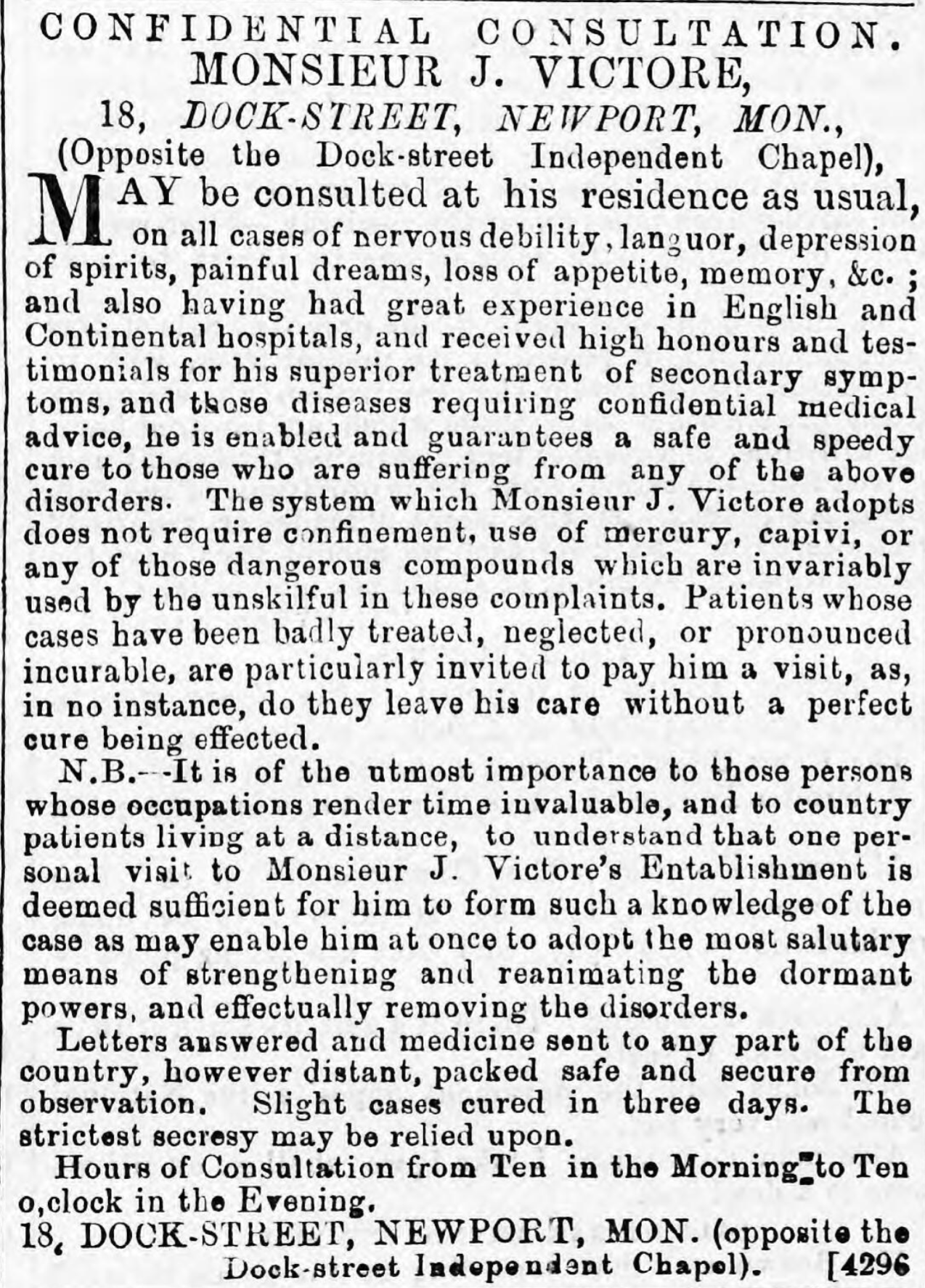
'Confidential Consultation'
Immediately below the above advert for portrait photography was an advert by Monsieur J. Victore who was trained in the English and Continental hospitals at treating 'nervous debility, languor, depression of spirits, painful dreams, loss of appetite and memory'.
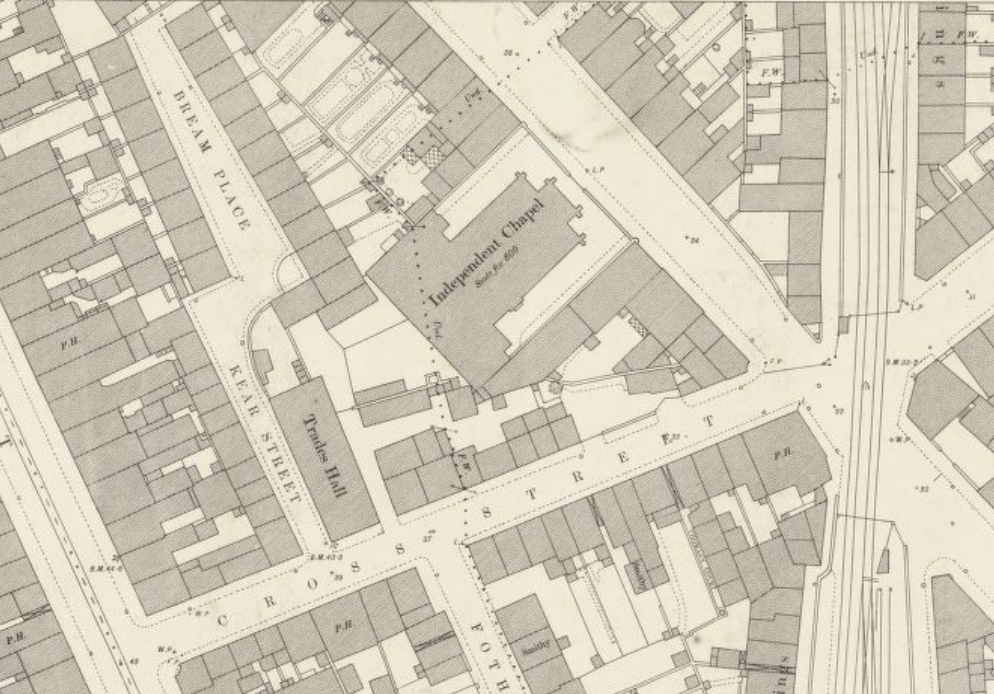
The map below shows the location of the Independent Chapel which was opposite Monsieur J Victore. It's long gone and was located where the Kingsway Centre is today.
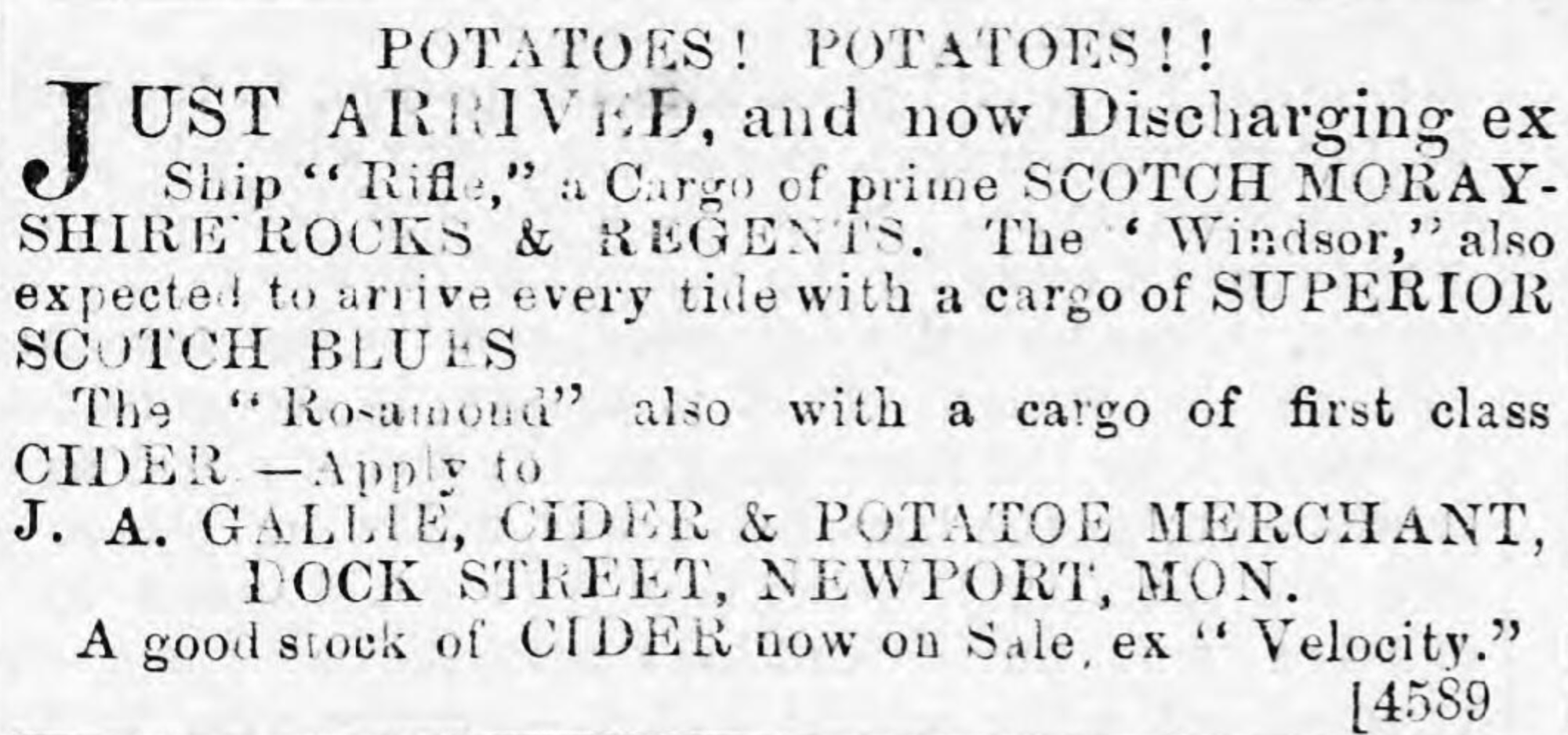
'Potatoes! Potatoes!!'
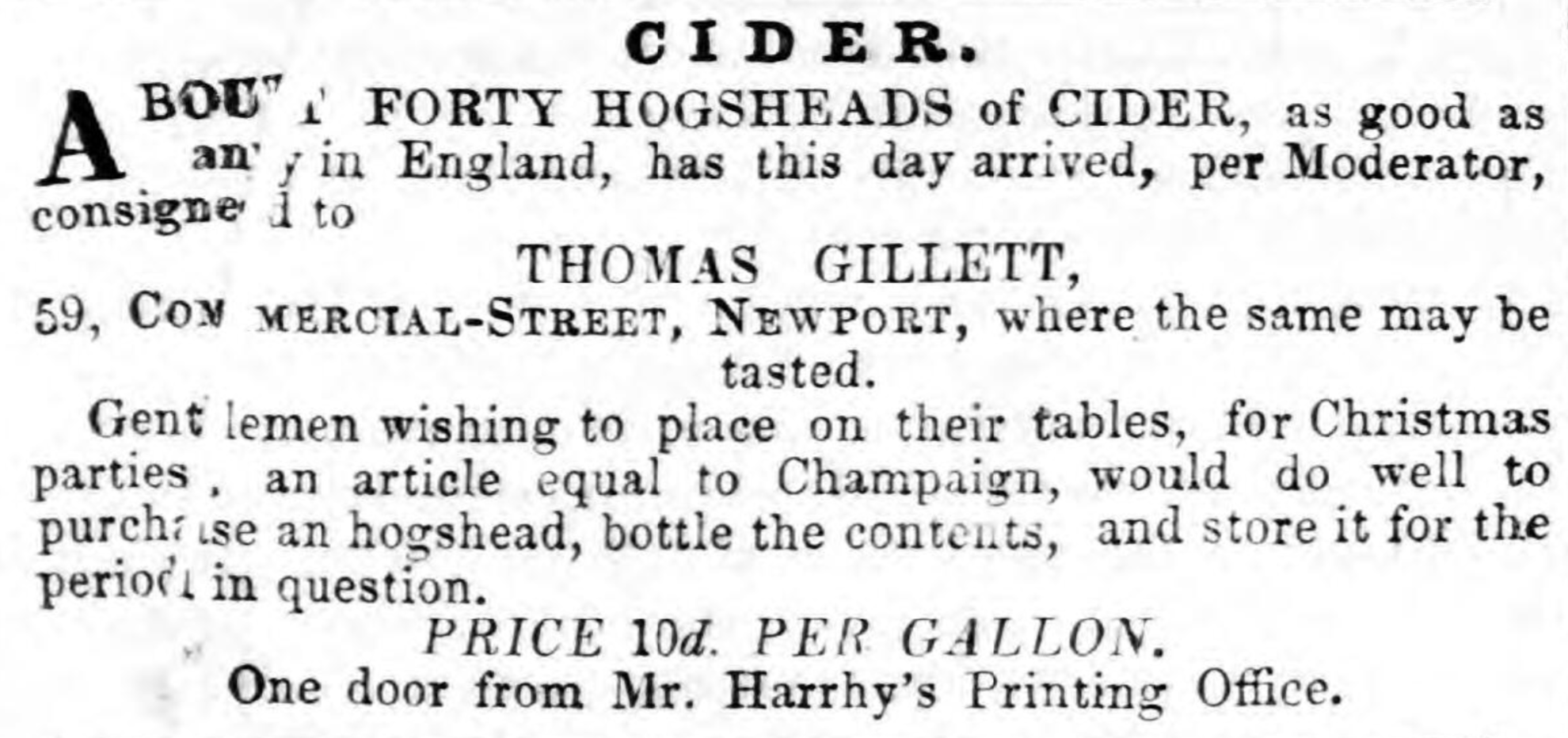
Whilst on Dock Street, why not stop at 'J.A. Gallie, Cider & Potatoe Merchant' to pick up some Superior Scotch Blue potatoes and also the 'Windsor' which is 'expected to arrive every tide'.
'Propterties To Let'
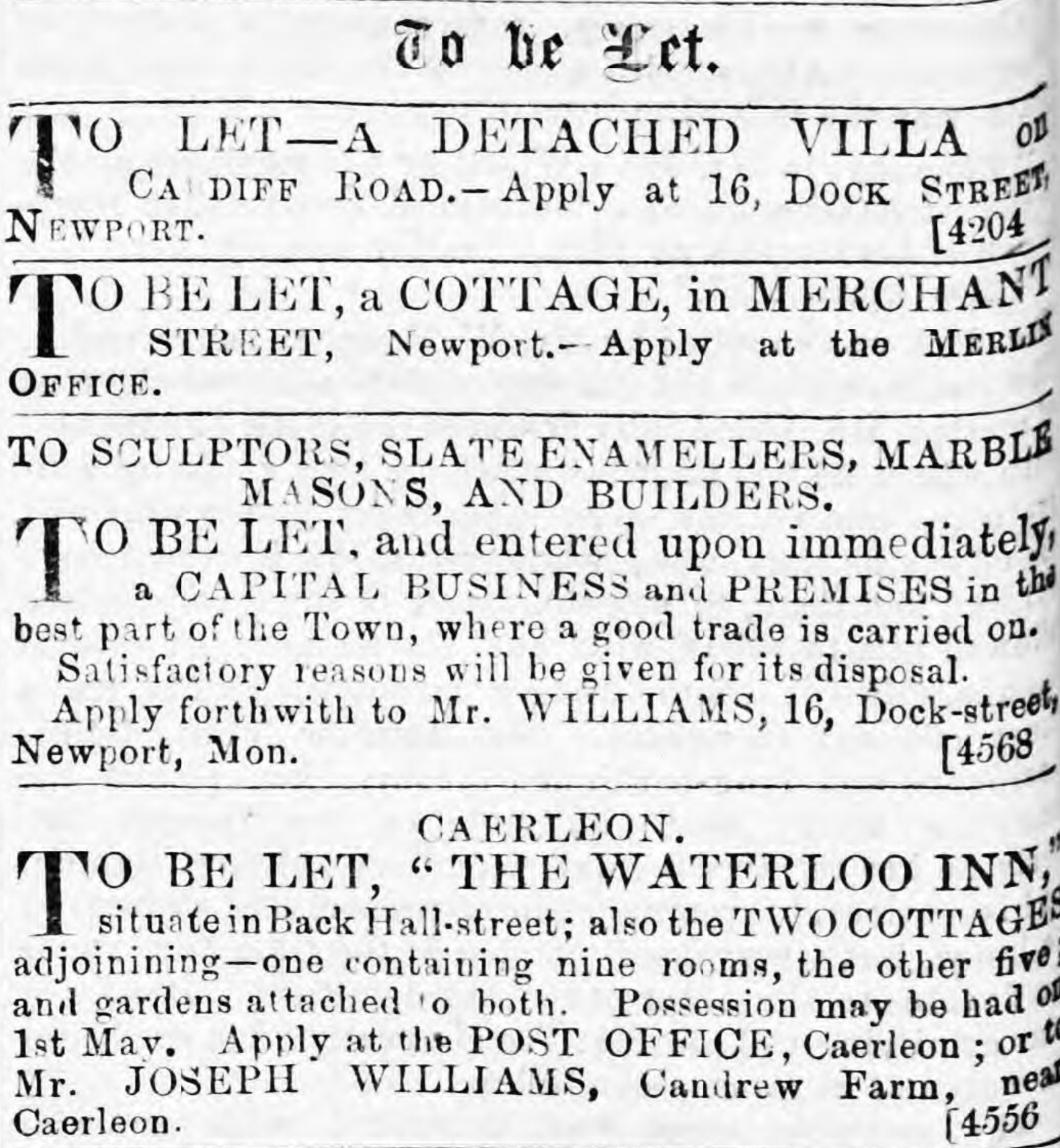
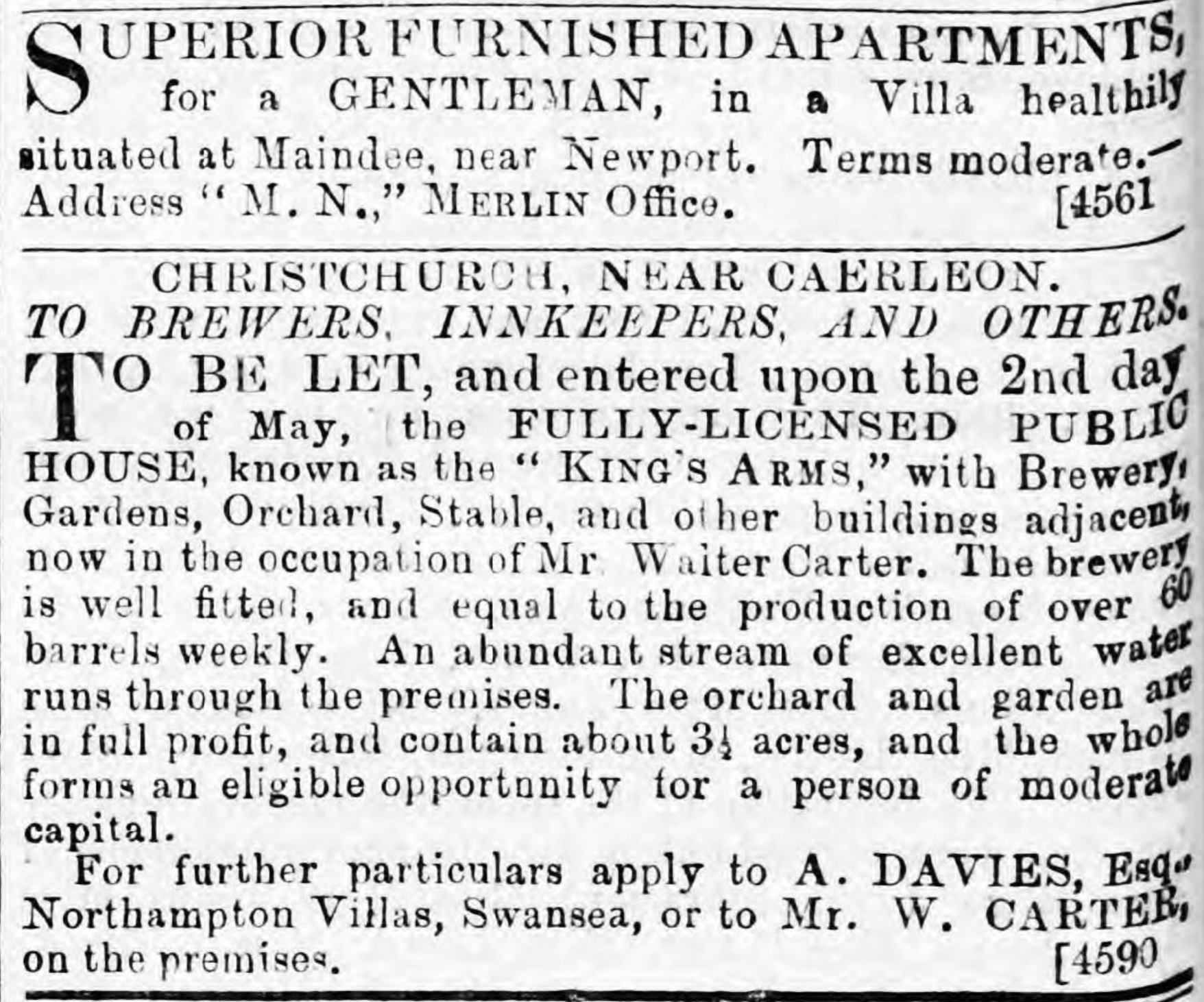
Properties to let in April 1863 include a villa on Cardiff Road, a cottage in Merchant Street (runs through Debenhams), the Waterloo Inn in Caerleon, a villa 'healthily situated in Maindee' and the King's Arms on Belmont Hill (not known by that name in 1863).
'The Bath and West of England Show, 1888'
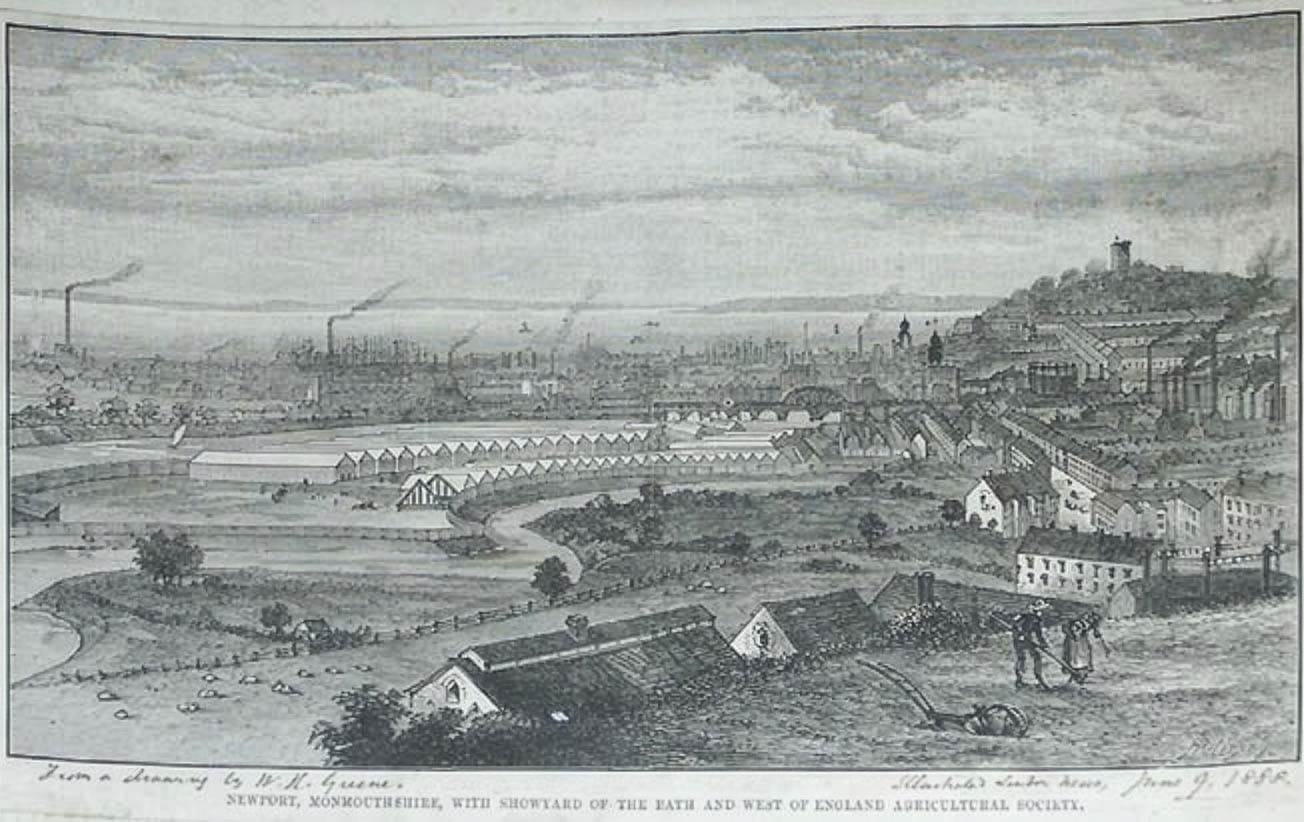
Newport on Monday began to put on those touches of artistic dress which always mark any great festival or public sight. At four a.m. the decoration contractors, the Messrs. Piggatt, of London, started to work, and by early in the afternoon the whole main thoroughfare, from the end of Pill, through Commercial-road, Commercial-street, High-street, Marshes-road, and Tredegar-place (as far as the Queen's Hotel), had been lined with Venetian masts. A good many tradespeople also started private decoration, whilst at the railway station the colours of the Great Western Railway Company—viz., red, white, and green—were profusely displayed. By this (Tuesday) evening it is expected all the public adornments will have been completed.
The show-yard has now become a scene of the greatest animation. The greater portion of the exhibits has been placed in position, but there is get a good deal to be done in the way of unpacking and fixing cases of various descriptions. Those who have to occupy the temporary buildings are already getting used to the Bohemian life, and, if the weather continues as fine as the latter days of last week and Sunday and Monday of the present have proved, it will, no doubt, be a pleasant change. In some of the apartments, however, which simply have timber-roofs, the heat during the middle of the day is very great. There is, however, an abundance of good water in all parts of the yard. At a great many points the sheds are fitted with taps, and on the unoccupied ground there are numerous tanks capable of holding from 300 to 400 gallons, fitted with ball cocks, so that they may till but not overflow.
The programme shows that on Wednesday, Thursday and Friday the band of the Royal Marine Light Infantry (Chatham Division), under the leadership of Mr. Kappey, will occupy the band stand. The band of the same regiment, but of the Plymouth Division, under the leadership of Mr. Froehnart, will also take part; whilst on Saturday and Monday the Plymouth Band alone will play.
Some little uncertainty appeared to exist as to the charges for admission and supposed extra charges for sectional exhibitions inside the yard. The charge for admission on Wednesday, Thursday, and Friday is 2s. 6d., and on Saturday and Monday 1s. The one payment entitles the visitor to see every section of the show, but there are extra payments to the reserved space in the working dairy and the grand stand overlooking the parade ring. These latter, of course, are optional.
Governors and members of the society subscribing not less than £1 annually are admitted free by non-transferable tickets at all times when the exhibition is open to the public, and also to the grand stand, the reserved places in the working dairy, and the band enclosure. Members subscribing less than £1 are admitted free by ticket on any one day only. Season tickets, not transferable, available whenever the exhibition is open, with privilege of re-entrance as often as desired, are issued at 7s. 6d. each
At ten a.m. on Wednesday the open judging of horses, cattle, sheep, pigs, cheese, butter, and cream begins. From ten to six p.m. there will be exhibitions of the working dairy, of implements, machinery, and pictures and art collections, together with the local working section. At two o'clock the exhibition of poultry and dowers begins. On Thursday at nine o'clock there will be exhibitions of the horses and cattle of the machinery, working dairy, and art sections as before.
The flower show will on this day open at ten a.m. At noon (weather permitting) there will be a parade of cattle in the large ring, and at two o'clock the horses and ponies will be trotted around. On Friday the show opens at nine and the flower building at ten, at which time there takes place the horse-shoeing competitions at portable forges. For this the entries, numbering over 50, are unusually strong. At noon the annual meeting of the members takes place in the council tent.
At the same hour the cattle will parade, and at two the horses and ponies. Of course, the bands will play at intervals, and on this day (Friday) at three o'clock the combined bands of the Plymouth and Chatham Divisions will give performances of concerted pieces. On Saturday (the first shilling day) the exhibition will be kept open from nine a.m. to eight p.m. The programme is much the same us on the former days.
On Monday the show closes at six o'clock, and on this, another, shilling day, the round is just the same, with the exception that at 3.30 there takes place wear the picture gallery the drawing of the Art Union Prizes. This is held under the sanction and regulation of the Privy Council, to promote as far as possible the disposal of works of art. Prizes are offered to the amount realised by the sale of tickets at a shilling each, and in addition the council of the society have made 2 special grant of £100, also to be distributed in prizes. Winners can select their own prizes from the picture gallery after the drawing and up to four p.m. on Wednesday, June 13.
In order to dispel any idea that the last day may not be as favourable as any of the others for visiting the show, the society stipulate that no exhibits of any description, except stallions, are permitted to leave until after six o'clock. In the working dairy there will be given a number of lectures and illustrations by Professor Long and others in various brunches of butter, cheese, and cream preparation. At 2.30 on Monday there will take place the challenge competition for gold and silver medals by winners of prizes in the various butter-making competitions. The prize cheese, butter, cream, and milk will be on sale in a building adjoining the dairy. The cheese will be sold in small quantities, packed in greaseproof paper.
It has been decided by most of the tradespeople and professional gentlemen to observe Thursday as 8 general holiday. Head-constable Sinclair has issued the following regulations for the convenience of the public and to avoid obstruction in the streets from Wednesday to Monday:-
Hackney carriages will stand on the east side of Dock-street, instead opposite Old Green and Steam Packet Hotels, of new entrance.
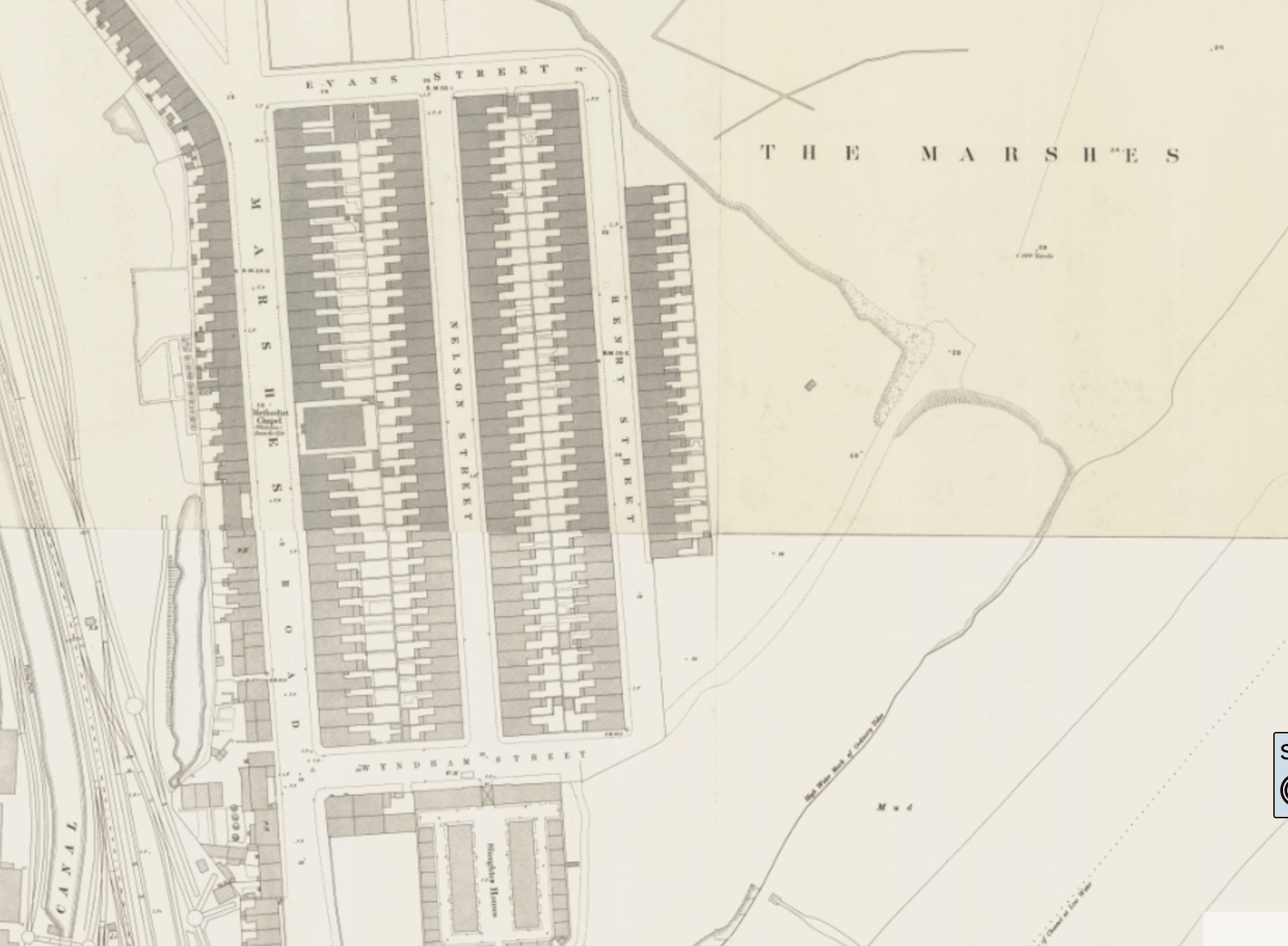
Hackney carriages will be allowed to stand on the west side of the entrance to the railway station in Penconville. All carriages conveying persons to the show-yard will and approach the entrance gates through Wyndham-street, when passengers are put down the carriages will depart through Henry-street and Evans-street to Marshes-road. For the convenience of persons leaving the show-yard carriages will be allowed to stand in Henry-street and Evans-street. The head-constable has also advised householders not to leave their dwelling unprotected during the days of the show.
Mr. Thomas Parry, one of the local hon. secretaries, who has compiled a list of lodgings available for visitors, informs us that he has a very large number of rooms on his list still unlet.
— Western Mail, 5th June, 1888 (Subscription Required)
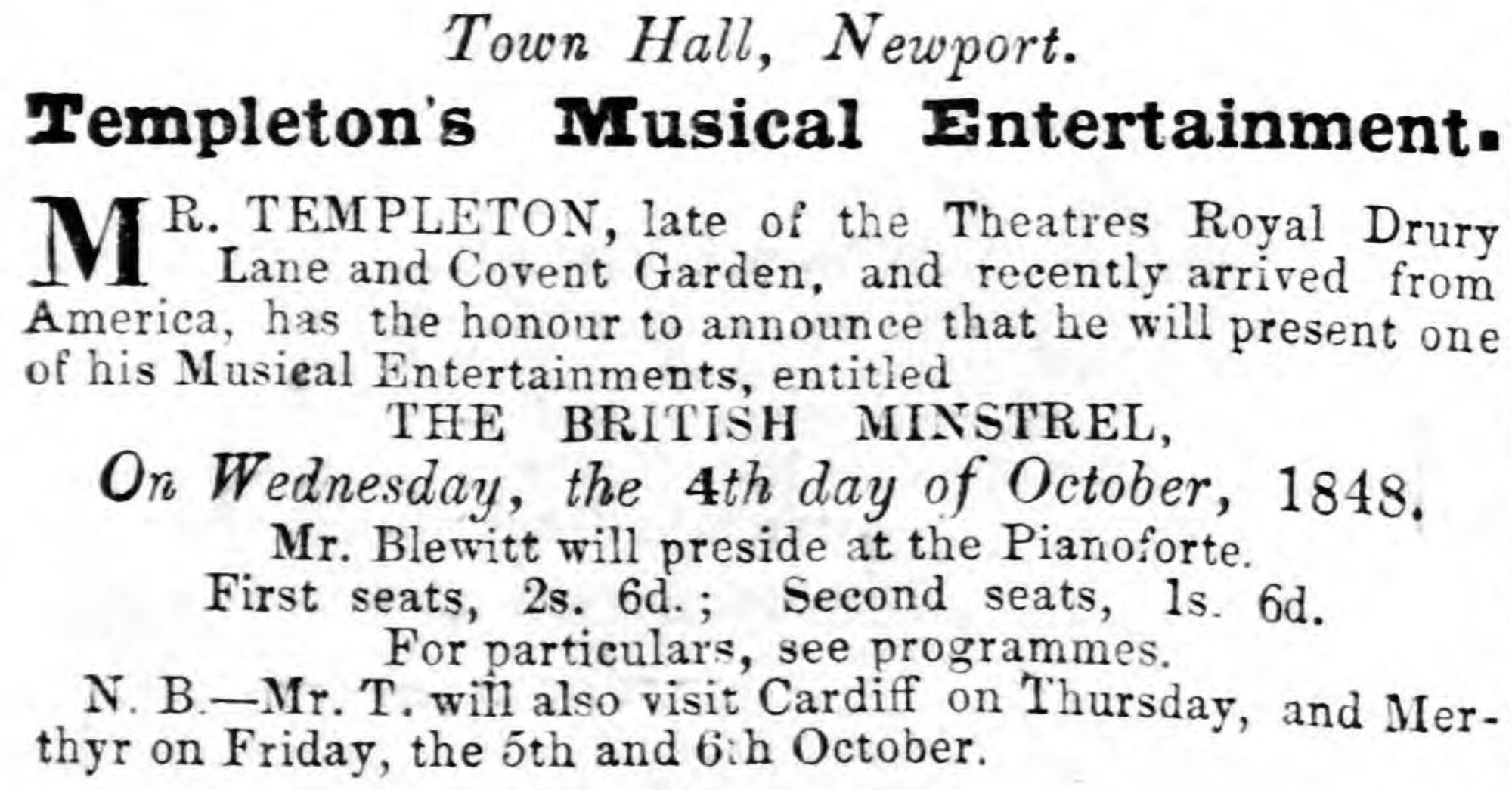
'Freedman's New Premises'
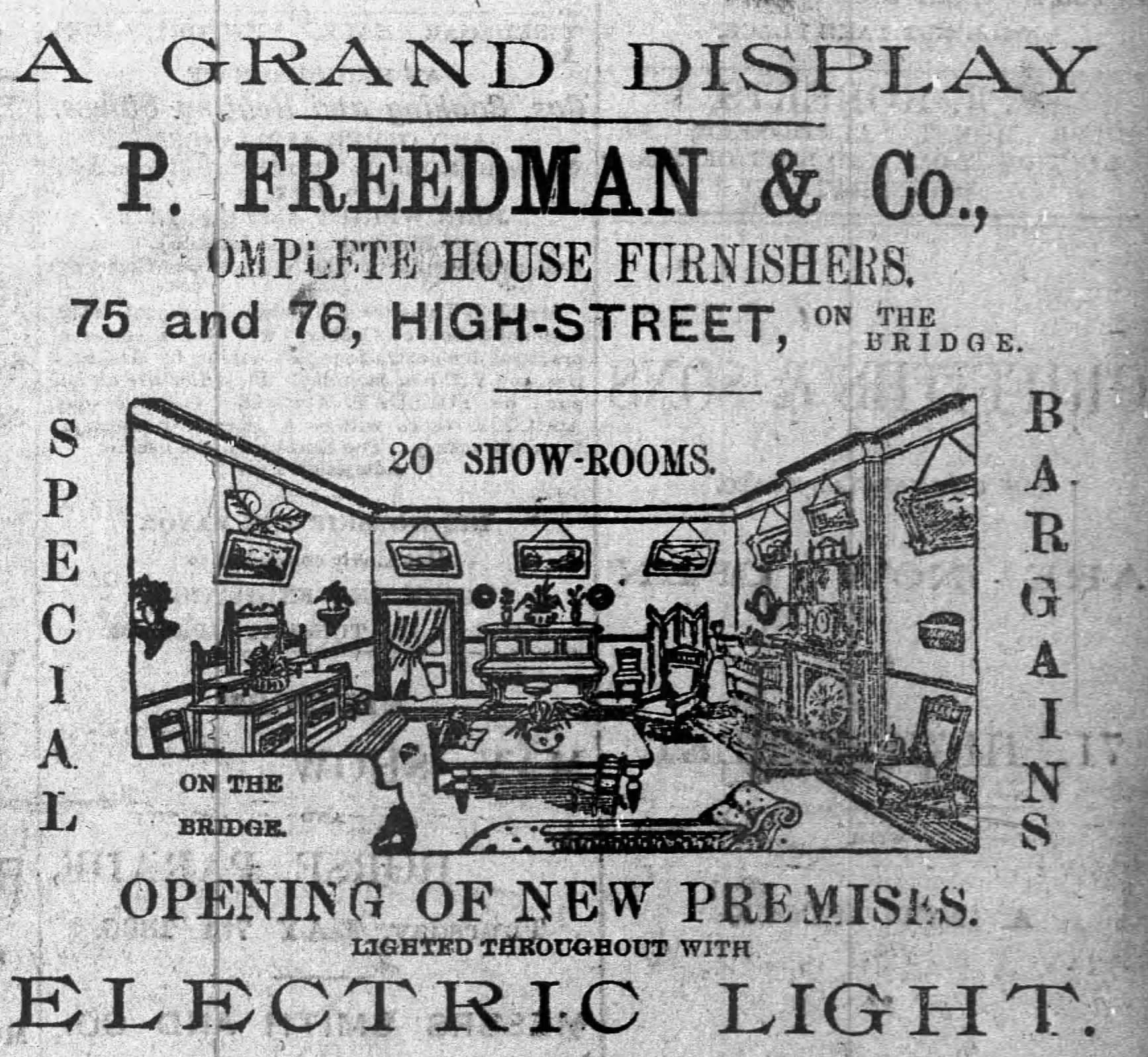
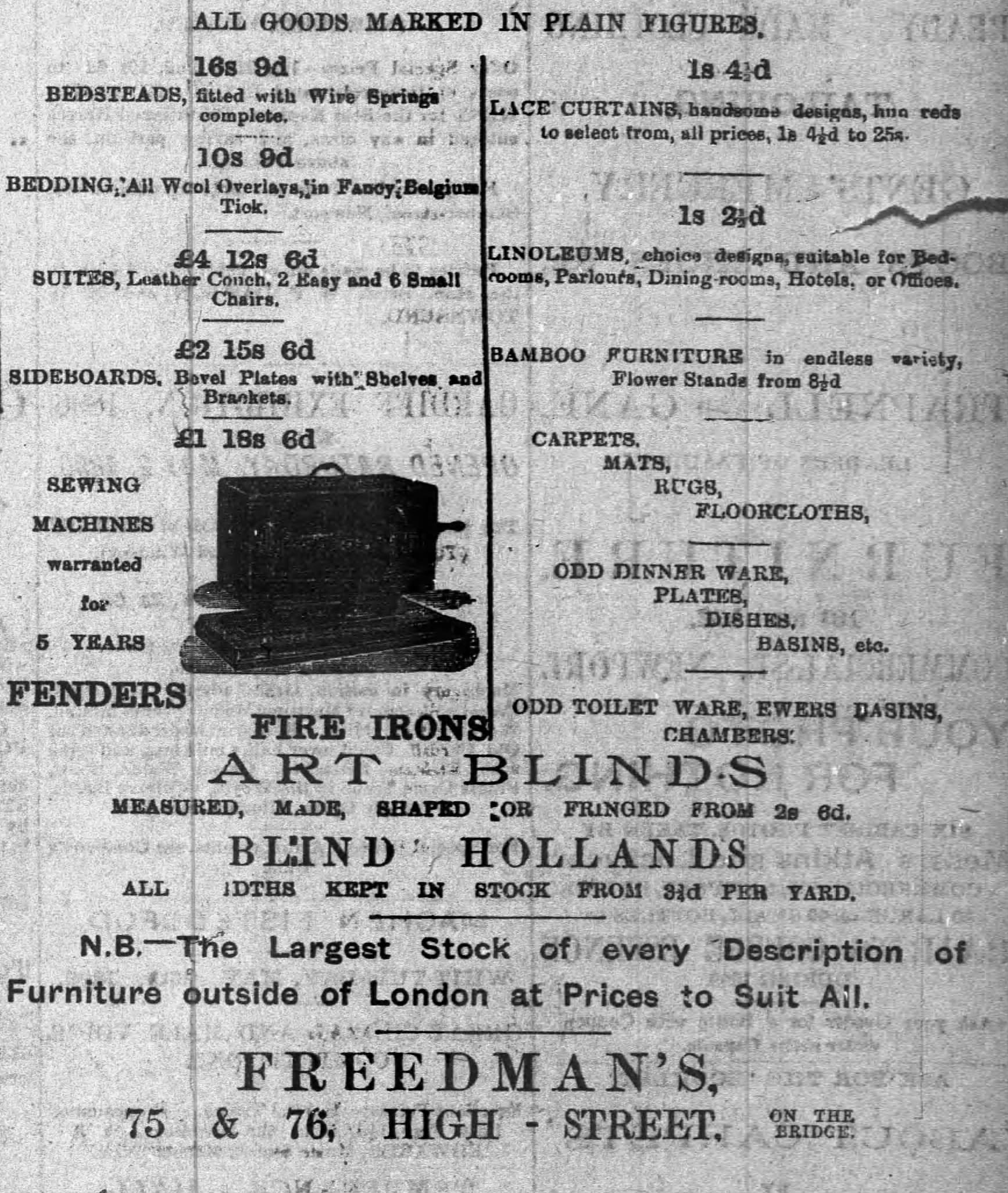
South Wales Argus, 25th April, 1896 (Subscription Required)
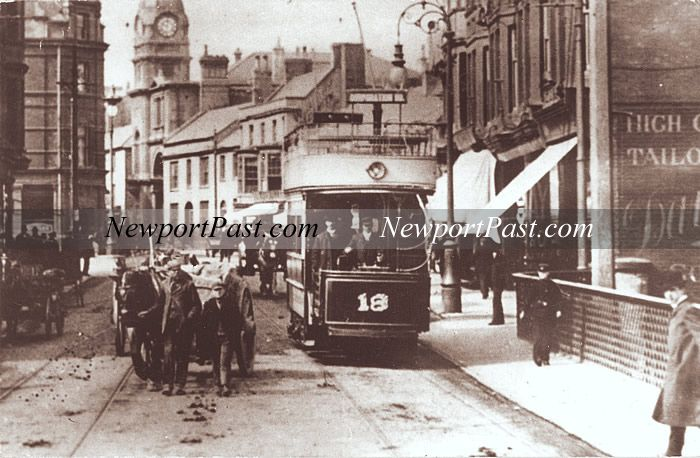
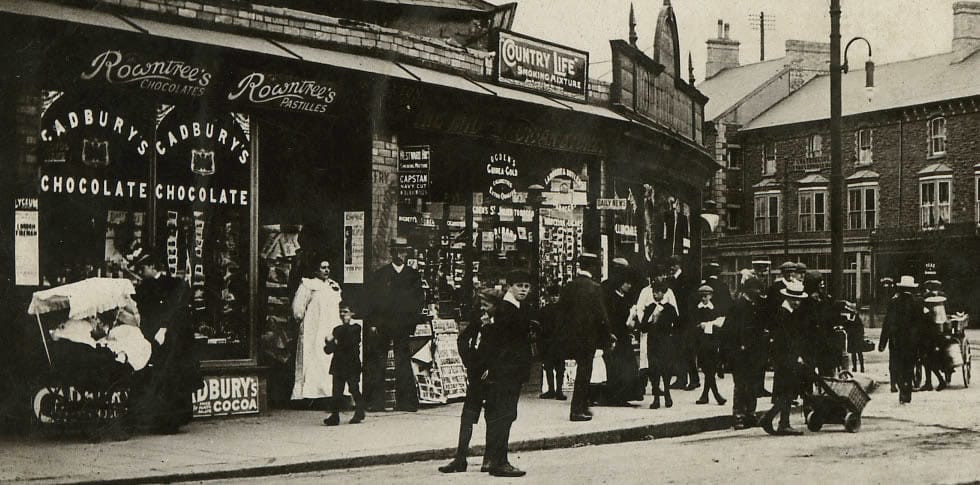
An advert from the South Wales Argus, 1896, showing the products on offer at P Freedman & Co which had opened in the recently built block of buildings (completed around 1895) at the end of High Street by the bridge.
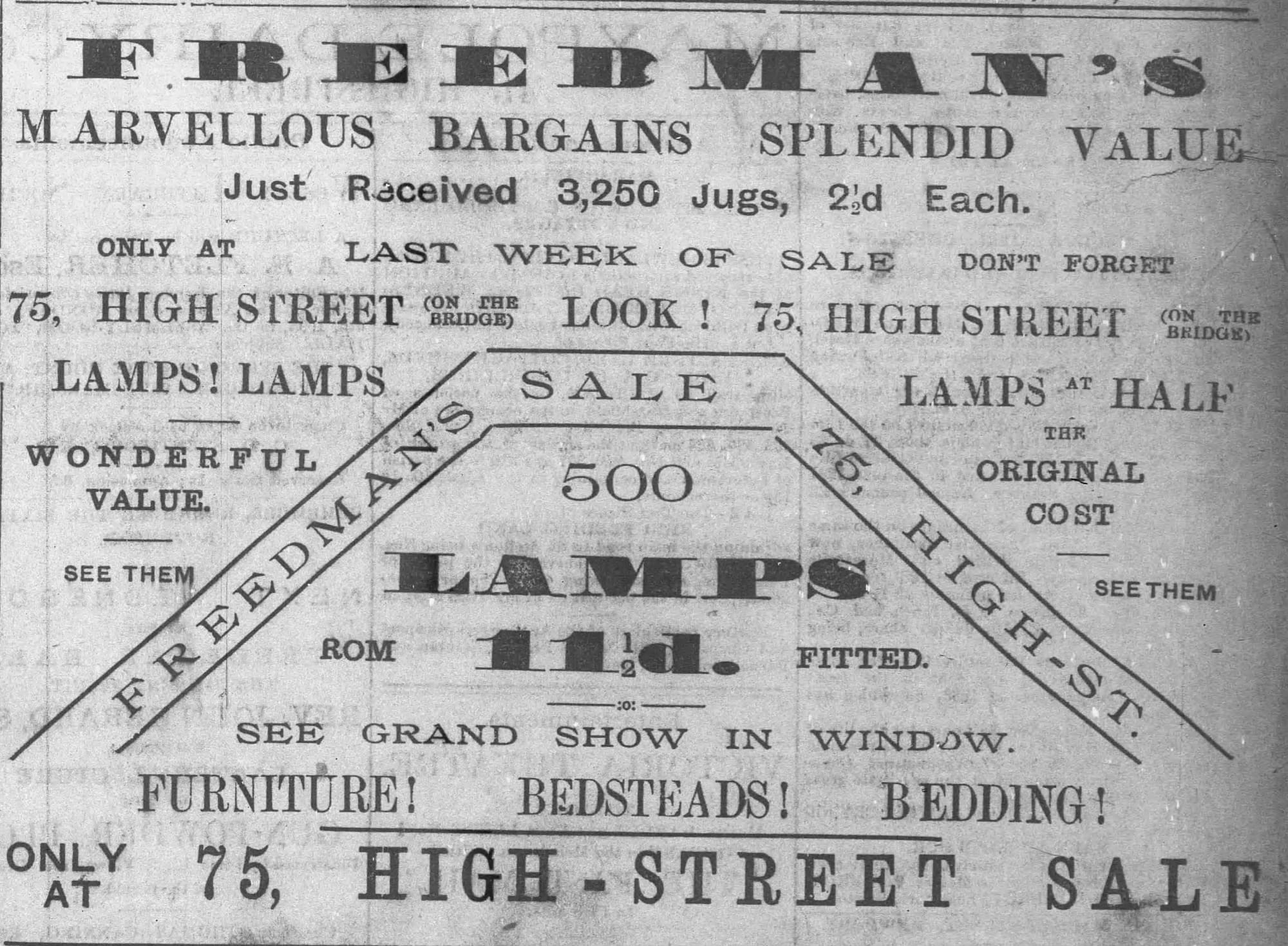
It originally opened in 75 and then expanded next door to number 76. The photo below is from around the same time as the advert.
Bridging the Usk
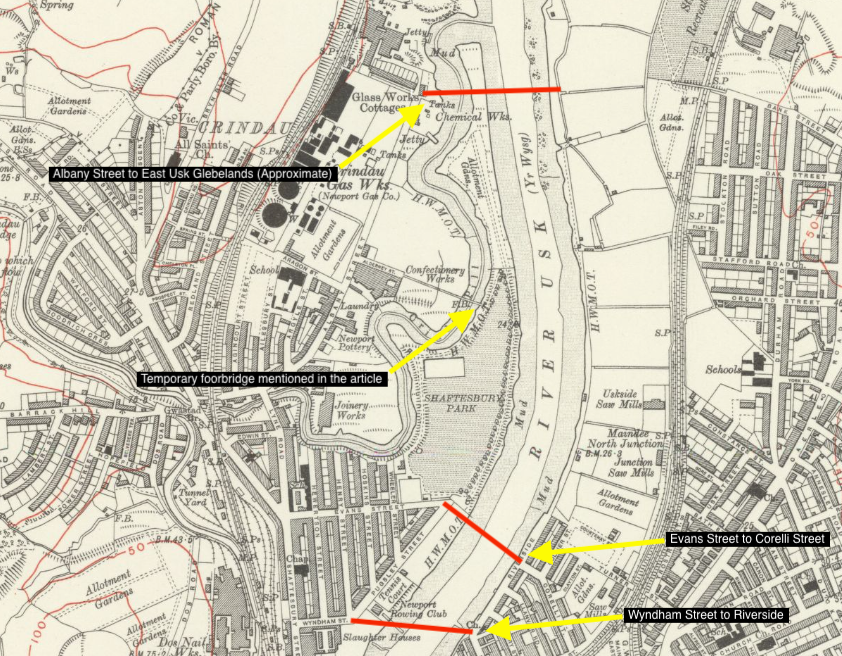
https://www.newspapers.com/image/1213174233/?match=1&clipping_id=196066494

Stealing an Apron
Sarah Welsh was charged with stealing a flannel apron, the property of Rachel Morris. Prosecutrix said she was the wife of Thomas Morris, and resided at Bassalleg.
On the night before last Christmas, she had gone out in front of her house, and dropped her apron. She did not miss the apron until next morning. On Thursday week last she went to the prisoner's house, in consequence of having heard that the apron was there, and asked to be allowed to see it. Prisoner said that the apron which she had worn, was one that her daughter had bought. She also told witness that she had lent it to a woman to go to Cardiff, and she could not see it then. Witness then gave information to the police.
The apron was worth 5s. P.C. Davies said he apprehended the prisoner on Monday evening, at her house, and asked her if she had an apron belonging to Mrs. Davies. She said, "No," but had bought one of a young man at Pie-corner, some time back.
She afterwards said she had bought it of a man at the door. Witness asked her where it was, and she said she had lent it to a woman to go to Cardiff. She brought it to his house on the same evening. Prisoner pleaded guilty to picking the apron up, but said she had no intention of stealing it. Sentenced to one day's imprisonment.
— Monmouthshire Merlin, 2nd May, 1863
'Hawking near the Salutation Inn'
George Phillips and Wm. Manning were summoned for creating an obstruction in the public streets. It appeared that the defendants are hawkers, and are in the habit of visiting this district periodically.
On Friday last Phillips was stationed near the Salutation Inn, and Manning at the entrance to Cardiff-road. They offered their genuine wares at advantageous prices, and the large number of purchasers and others who had congregated around them had completely obstructed the thoroughfare.
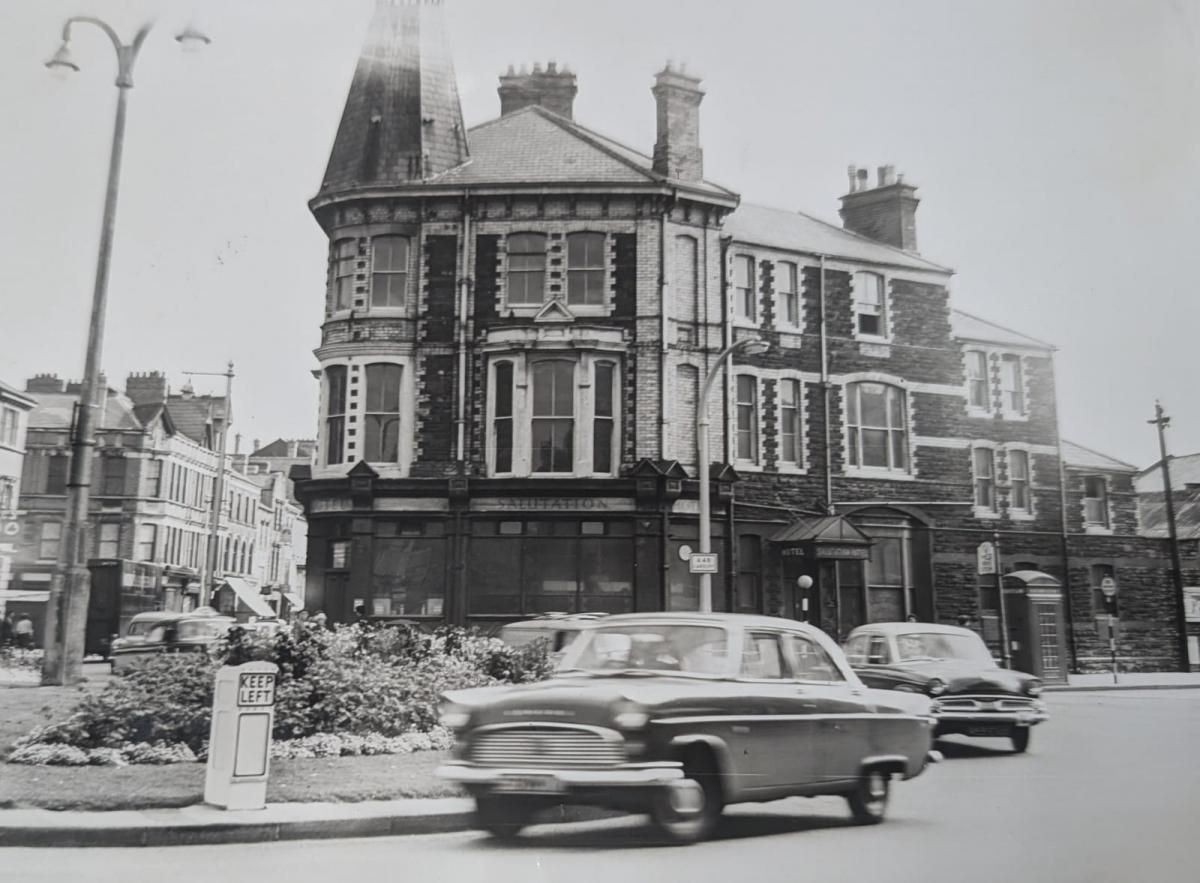
The Chief Superintendent said he had received several complaints from persons residing in the locality. Phillips stated that he had permission of the landlady at the Salutation Inn to erect his van near the house.
The Bench observed that no such power was vested with the owners of property, and fined the defendants 10s. each including costs.
— Monmouthshire Merlin, 2nd May, 1863
'Keeping a Game Cock'
John Pritchard was charged with keeping a game cock, dangerous to the inhabitants of Church-street, Pillgwenlly. A woman, named Keyse, said that two of her children, who appeared in Court, bad been injured in the face, by the cock flying at them. The defendant promised to kill the cock, and the case was adjourned for a fortnight.
— Monmouthshire Merlin, 2nd May, 1863
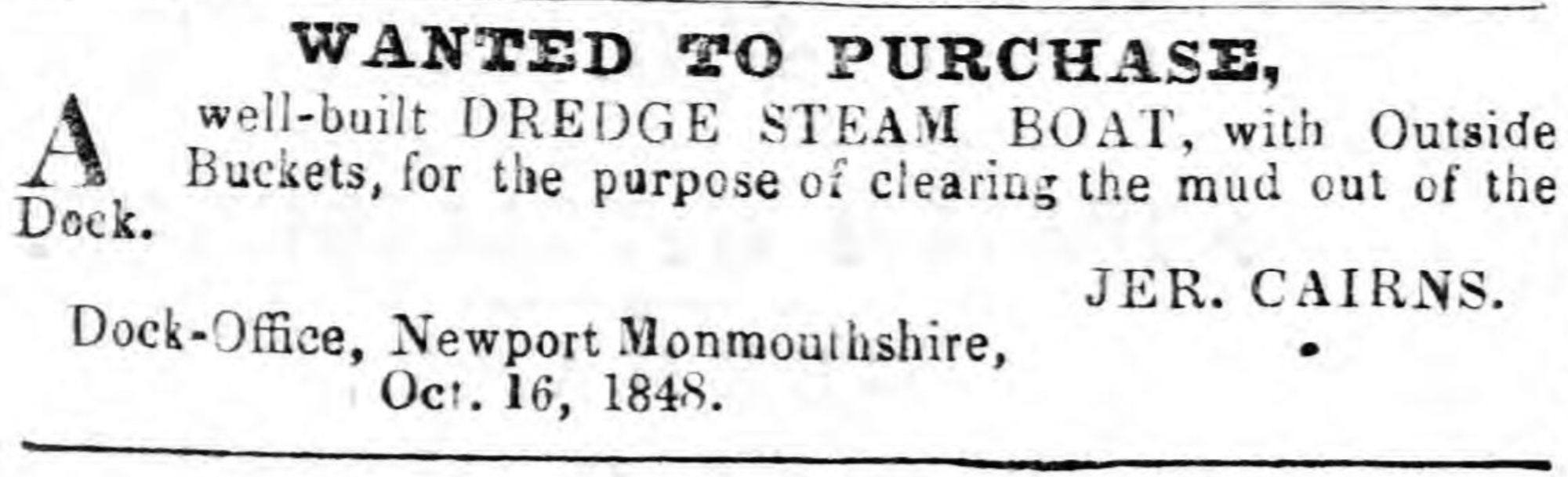
Newport Mohawk Minstrels
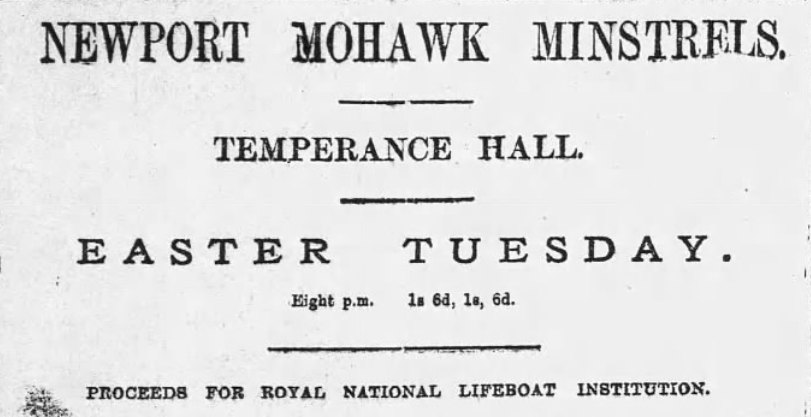
A report from the evening from the South Wales Argus.
This troupe of black and white minstrels gave a varied and most interesting programme to a large audience on Thursday evening. Well-rendered ballads were given and two concerted pieces "The Anvil" and "Sweet and Low," were given by the full company of ladies and gentleman, the unaccompanied part being song being especially well sung. The comic element was especially good causing much amusement with their jokes and conversation. Their comic songs were up-to-date and Messrs Poole and Yeates were deservedly encored. Mr Fred W. Willis, in a stump oration, spoke in his inimitable way, and a clever song and dance was given by Mr Yeates.
The programme concluded with a sketch entitled "A Big Disappointment", which kept the audience in a continuous roar of laughter.
— South Wales Argus, 21st March, 1902 (Subscription Required)


Member discussion