

Welcome to another issue of The Newport Cornucopia where we dig through the newspapers archives for interesting news articles and adverts. All articles are posted verbatim and most headlines are original (headlines in quotes are my own).


William Snailham
At the top of Stow Hill opposite St Woolos Hospital is a longe black and white house which looks a bit of out place compared to surrounding buildings. This is the last of a group of six houses that stood in the same location at the edge of Stow Hill.
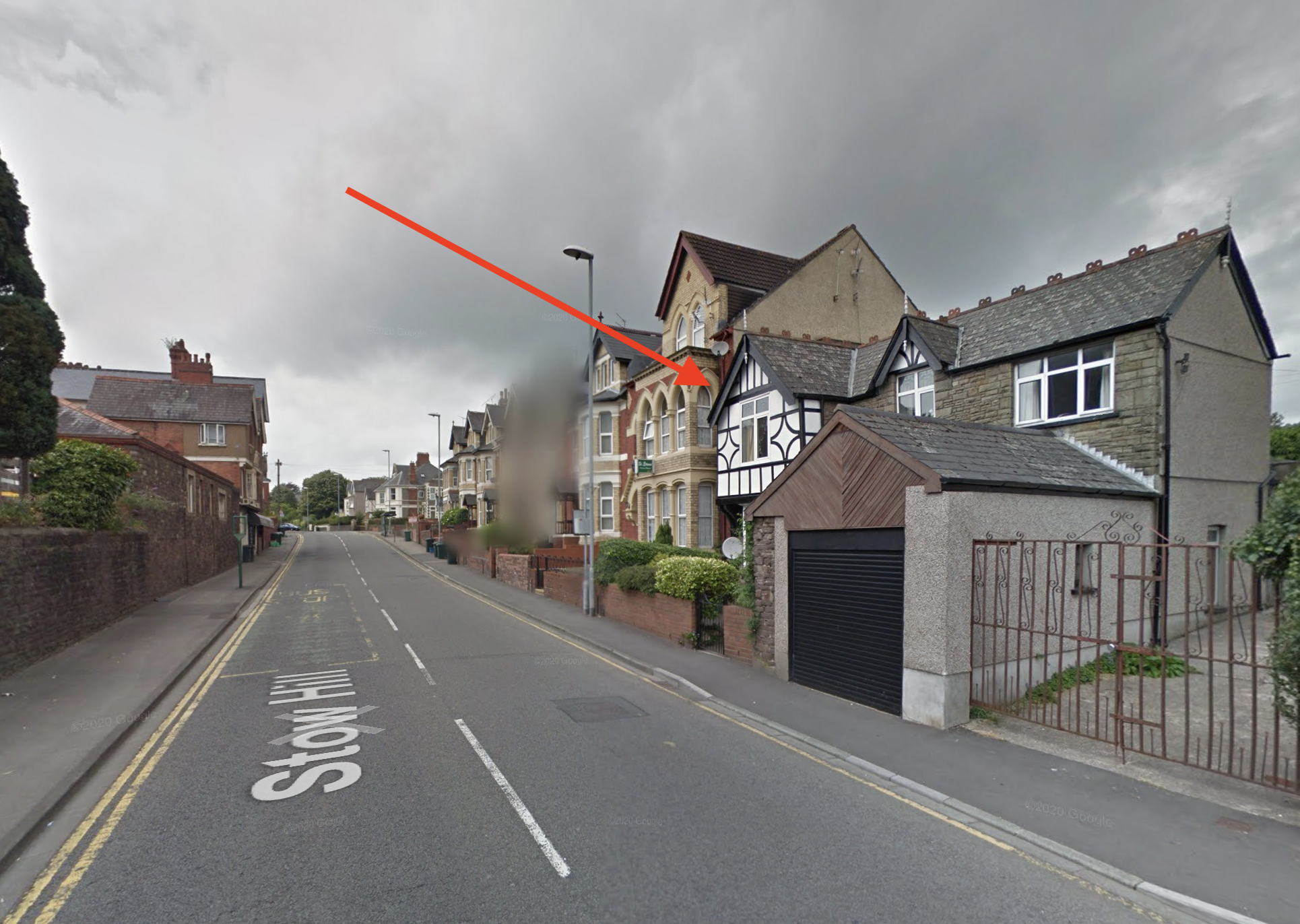
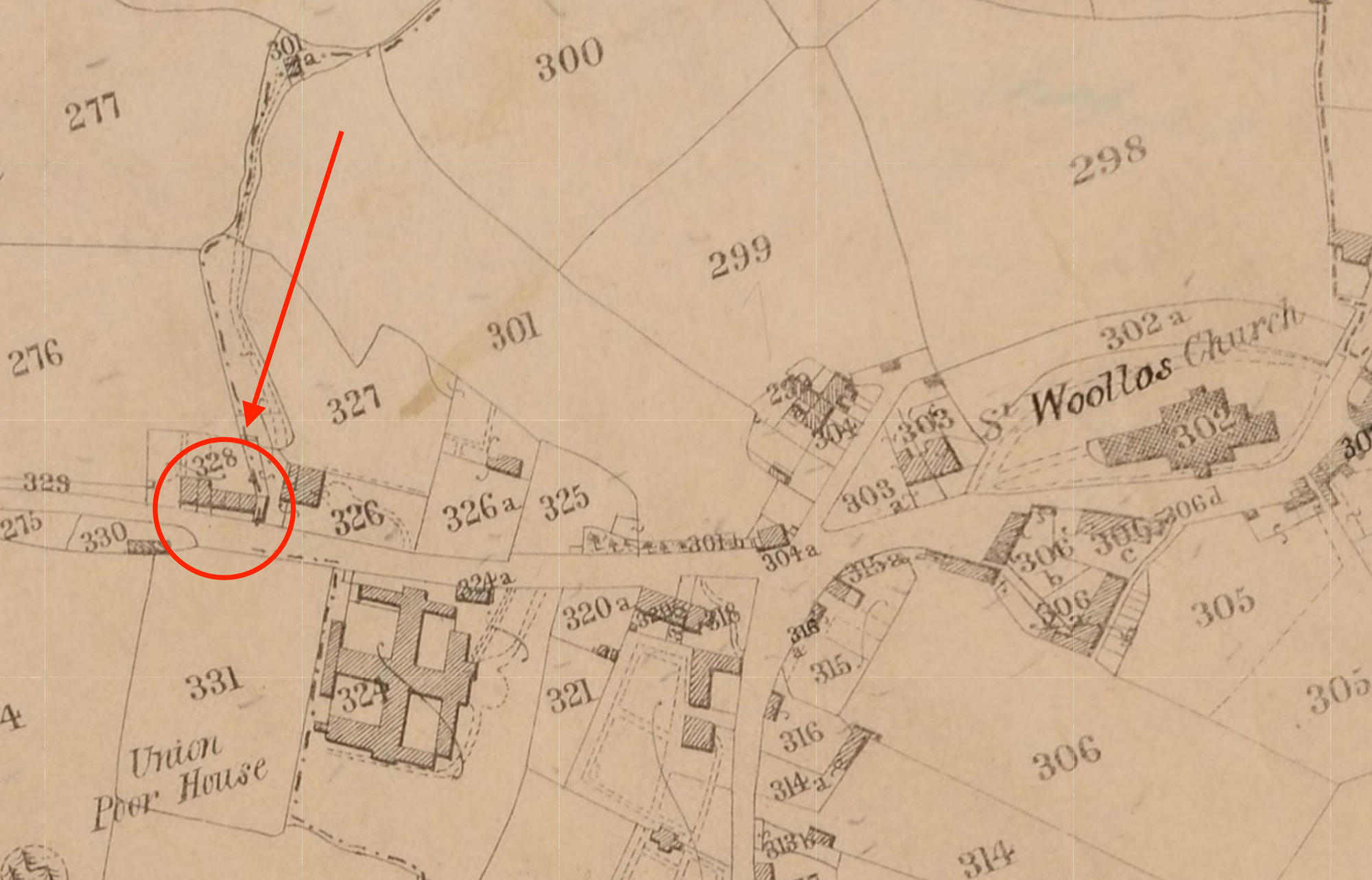
It features on the tithe map of the early 1840s as 'six cottages' and amongst other people living there was William Snailham.
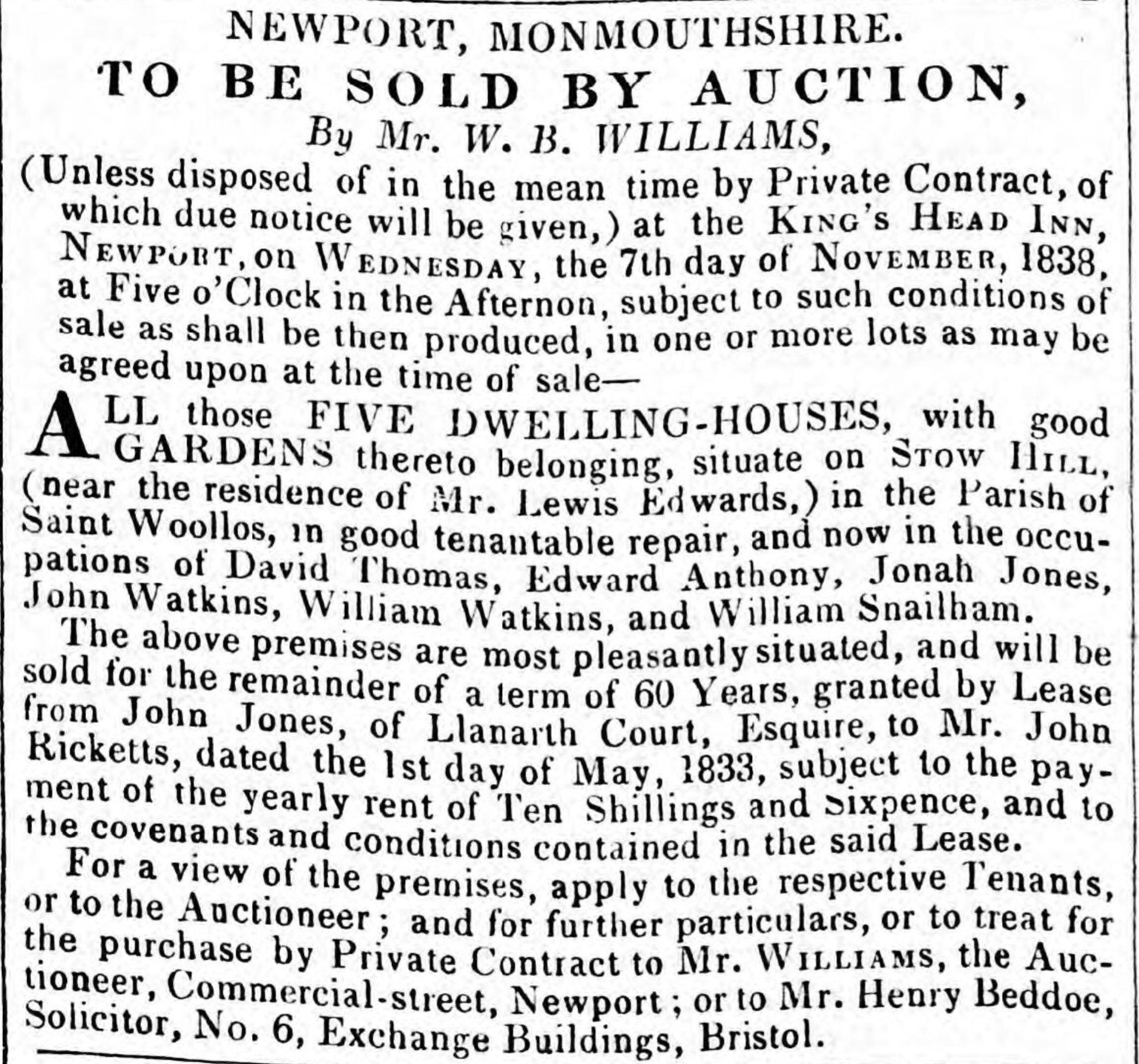
There's a slightly earlier reference to the property in 1838 when it was listed has five houses with William Snailham living there at that time.
Whilst looking for anything interesting about William Snailham, I came across an unfortunate incident where he was the victim of an assault involving a knife:-
Joseph Jones, a young man about 18 years of age, was charged by Superintendent Hopkins with stabbing William Snailham, with intent to do him some grievous bodily harm. Wm. Snailham, sworn, stated that he was a labourer, and worked for the late Mr. Anthony Phillips two or three years.
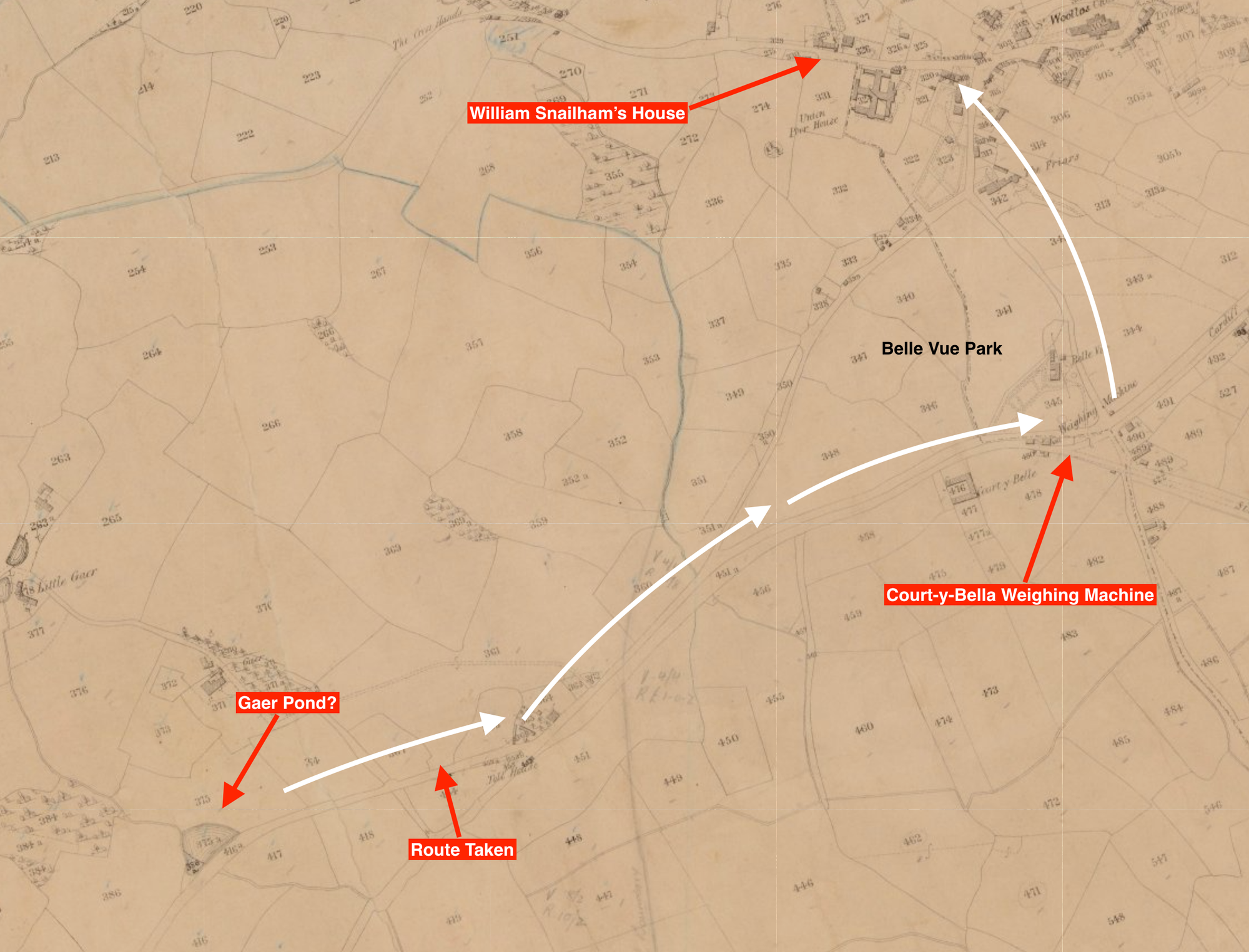
On Monday night last, between 9 and 10 o'clock, he went on the tram road to gather some coal, and when near the Gaer Pond, he passed a team of trams belonging to Mr. Rosser Thomas; the prisoner, Joseph Jones, was the driver: soon after he passed the team, Jones came after him, and said "beest thee one of the men, with two others who served me out on the tram road some time ago?"
Snailham said he was not, but Jones insisted upon it that he was: angry words ensued, and Jones took out his knife, and having opened it, made several blows at Snailham's face, which witness warded off with a bag had in his hand; he then made several stabs at his body, and at last succeeded in wounding him in the left side, a little the heart; he then shut his knife, and went away after his team towards the Court-y-bella machine. Snailham found that he was bleeding, and went to the machine, and from thence home, where he gave information to a person who came into the house.
Police-constable Hewish, Sworn: I was on duty last Monday night, on Stow-hill, and from information I received I went to Pillgwenlly, and apprehended the prisoner, who was on horseback at the time; he had a team of horses with him I searched him, and found the knife I now produce in his possession there are marks of blood on it, which were quite fresh when I took it.
Mr. Innis, assistant to Jehoida Brewer, Esq., surgeon, sworn from information I received on Monday last, I attended Wm. Snailham, the prosecutor, and after taking off his clothes, which were very bloody, I found a wound in the left side, a little above the heart, about an inch and a quarter long, and about an inch and a quarter under the skin, in a slanting direction, and such as might have been inflicted by a knife of the description of the one now produced by the policeman.
Superintendent Hopkins produced the clothes which Snailham had on at the time he was stabbed, on which there was a great quantity of blood he pointed out several cuts in the garments on the right side, as well as the cut in the clothes on the left side, where the wound was inflicted. The prisoner was then committed to his trial at the next assizes at Monmouth.
— Monmouthshire Merlin, 24th July, 1841
'The Trial'
The prisoner, William Lewis, and Joseph Jones, who was convicted of stabbing William Snailham, were then put up to receive judgment, and his lordship addressing them, said they had been most justly convicted on the clearest evidence of the heinous crimes with which they have been charged.
As for you, Jones, your conduct is aggravated by the circumstance that you were actuated by a feeling of revenge, which was ranking in your bosom for six weeks, and having met the prosecutor, you were determined to gratify that feeling. You immediately attacked him with a deadly weapon you did not attempt a fair fight, but you persevered in your attack until you inflicted on him a severe wound, and then, from a consciousness of your guilt, you immediately fled.
Owing to the merciful interposition of God, you did not deprive your victim of life, which you would have done if the knife had penetrated fortunately for you the knife was intercepted by a bone, or it would have penetrated to the heart, and for that interposition you will have reason to thank God as long as you live, that you are spared the guilt of murder.
In your case Lewis, there appears less of malice than in that of Jones although in reading the depositions, I find that some evidence was given before the magistrates, which was not produced in Court at your trial. It appears by the depositions that you had quarrelled with the prosecutor before on two occasions, and each time you threatened the knife, as if the knife was a familiar instrument, and that when your passion was excited you always thought of resorting to it.
It is deplorable that in England the use of this instrument is day by day becoming more resorted to, whenever quarrels arise among persons of your class; and it is therefore necessary to inflict heavy punishments on offenders to restrain that tendency. In former times if men quarrelled, they had recourse to the weapons with which God furnished them but now if men do fight, on such occasions, the moment one gets the worst of the conceit, out comes the knife as if it were the first thing thought of.
You have received a good character, but that cannot save you from the severe punishment due to your crime, and your sentence will also bear heavily on your unfortunate mother. I cannot, however, be influenced by considerations of this sort. It is my duty to make examples of you to deter others from the commission of similar offences, and to show that if people will get drunk and quarrel, and fight, they must, at least, abstain from the use of the knife.
His lordship concluded by sentencing the prisoners to be each transported beyond the seas for the term of 21 years.
— Monmouthshire Merlin, 7th August, 1841

'A breakfast at 4 o'clock in the morning'
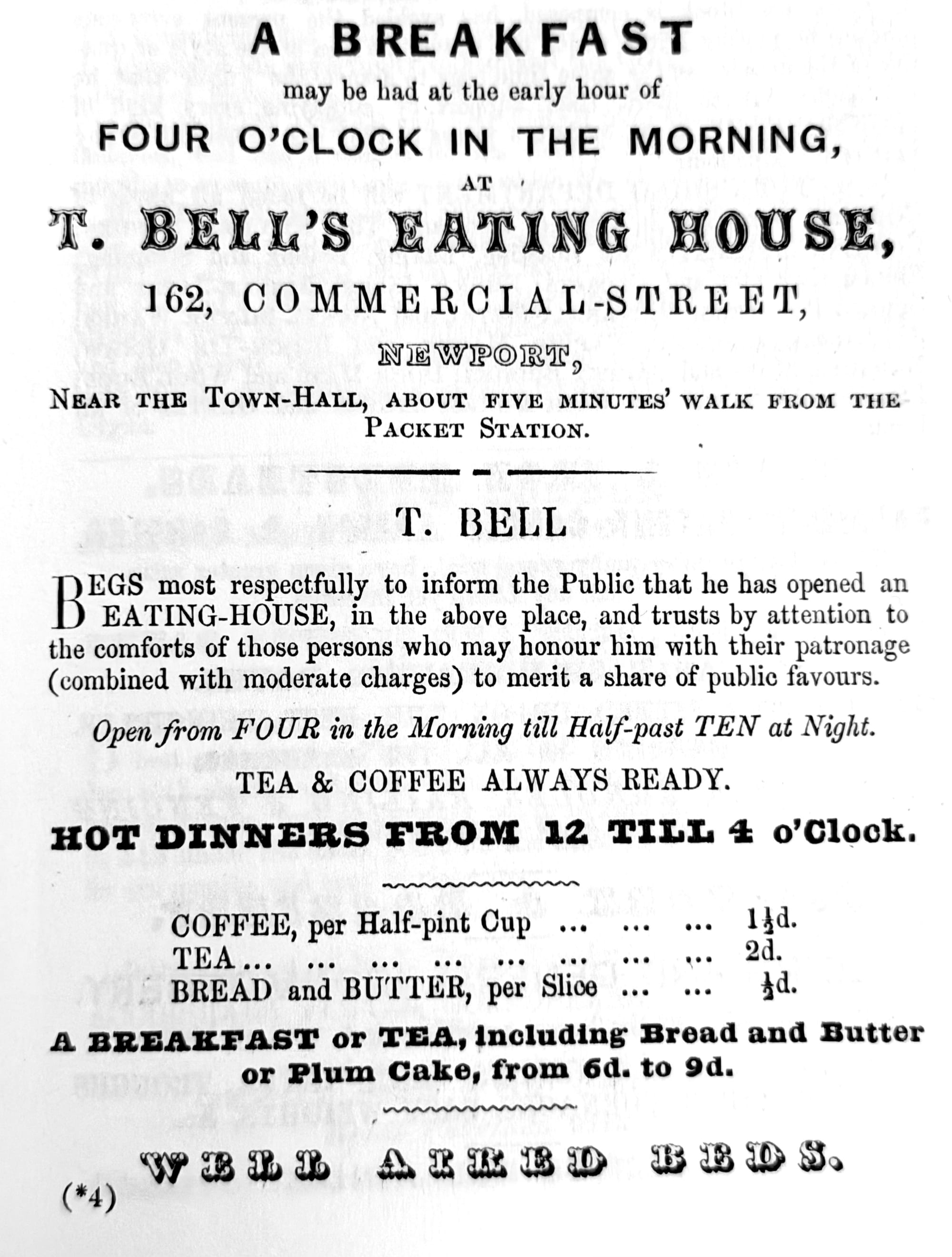
At 162 Commercial Street was an eating house run by a T. Bell who boasted that one could order a breakfast at 4am. The restaurant was open all day until 10:30pm and served coffee by the half pint cup, bread and butter and plum cake.


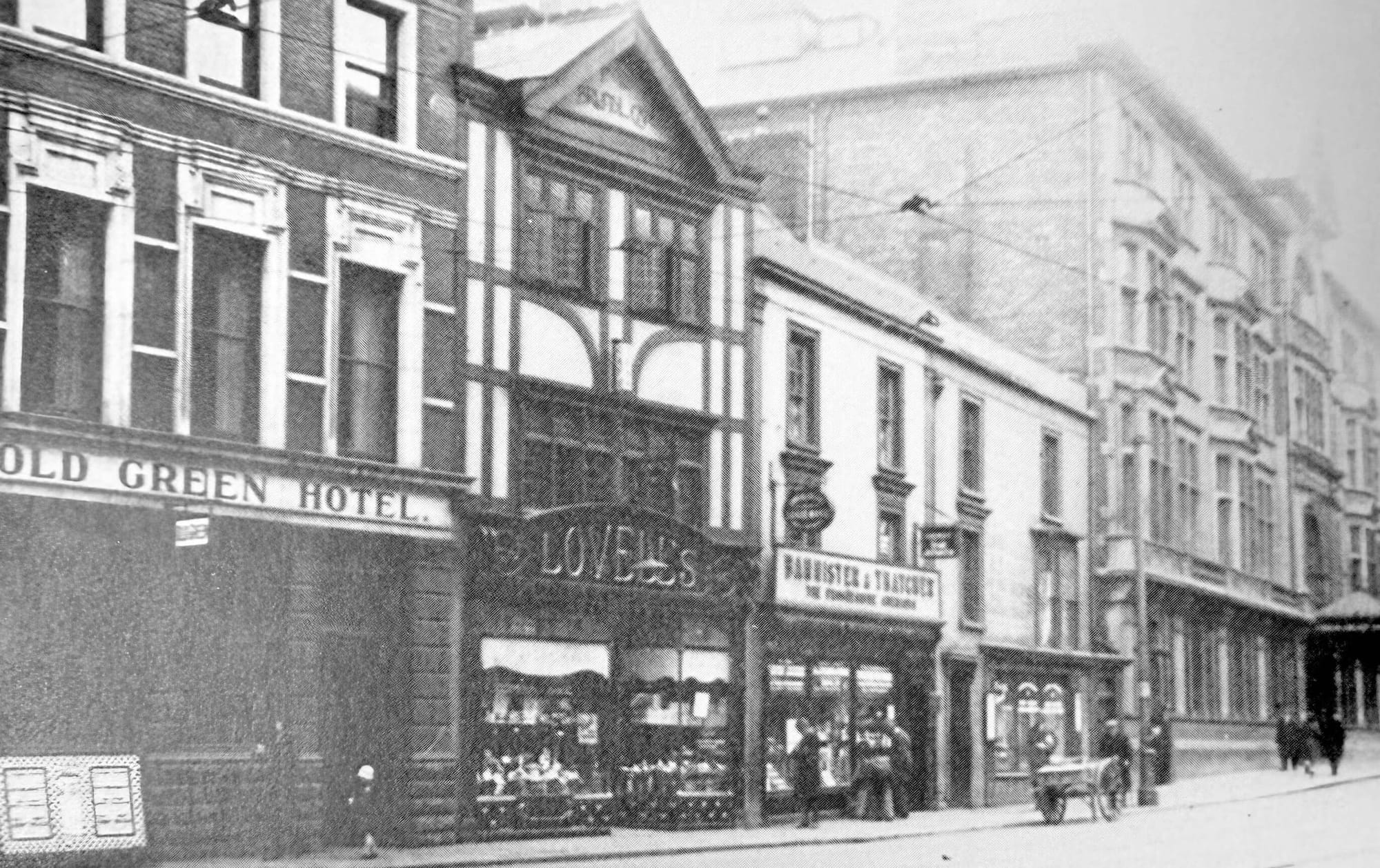
'Longfield House'
Whilst out walking recently, I noticed the names of houses on Stow Hill and in particular Longfield. Sometimes names of buildings are have no bearing on the history of the area but often they do and I wondered if there happened to be a field nearby that was a 'long field'.
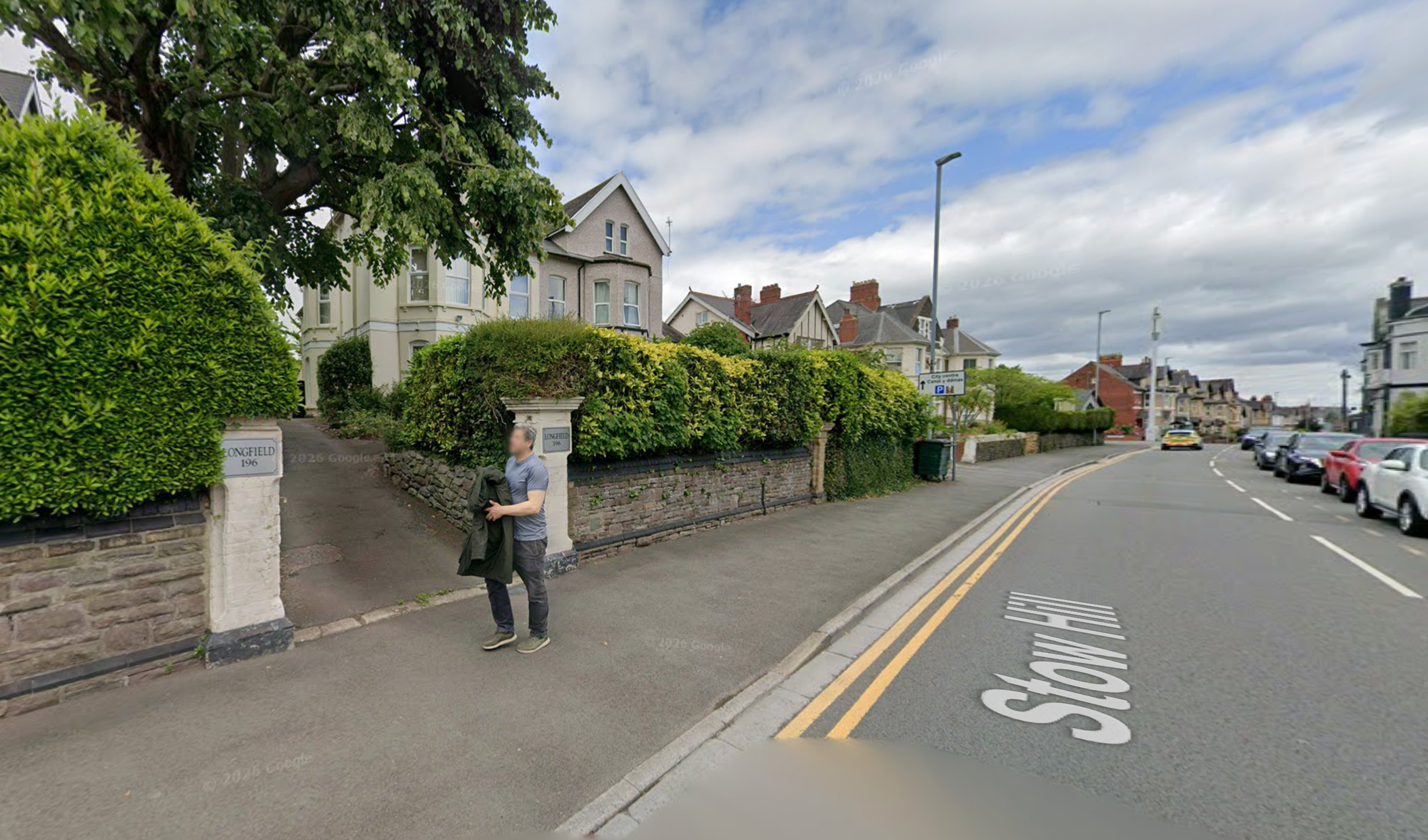
Using the excellent tithe maps of the early 1840s, it appears that there actually was a long field just where the house is located. Backing onto the house is Caerau House which is still there today and on the tithe map, the long strip of land numbered 243a belonged to the Caerau homestead.
Today, Longfield is located right at the very edge of the south end of that long field.
'York Place'
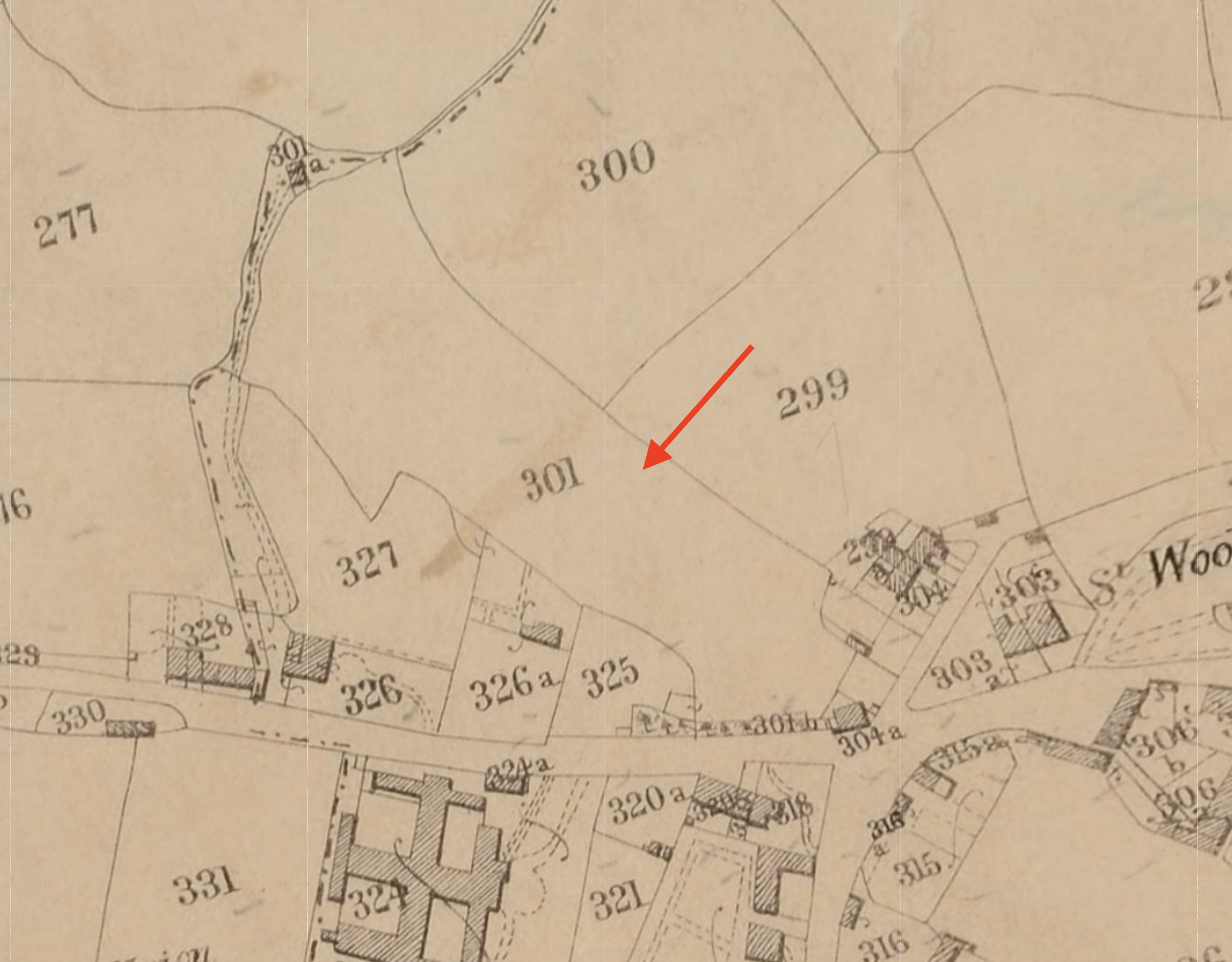
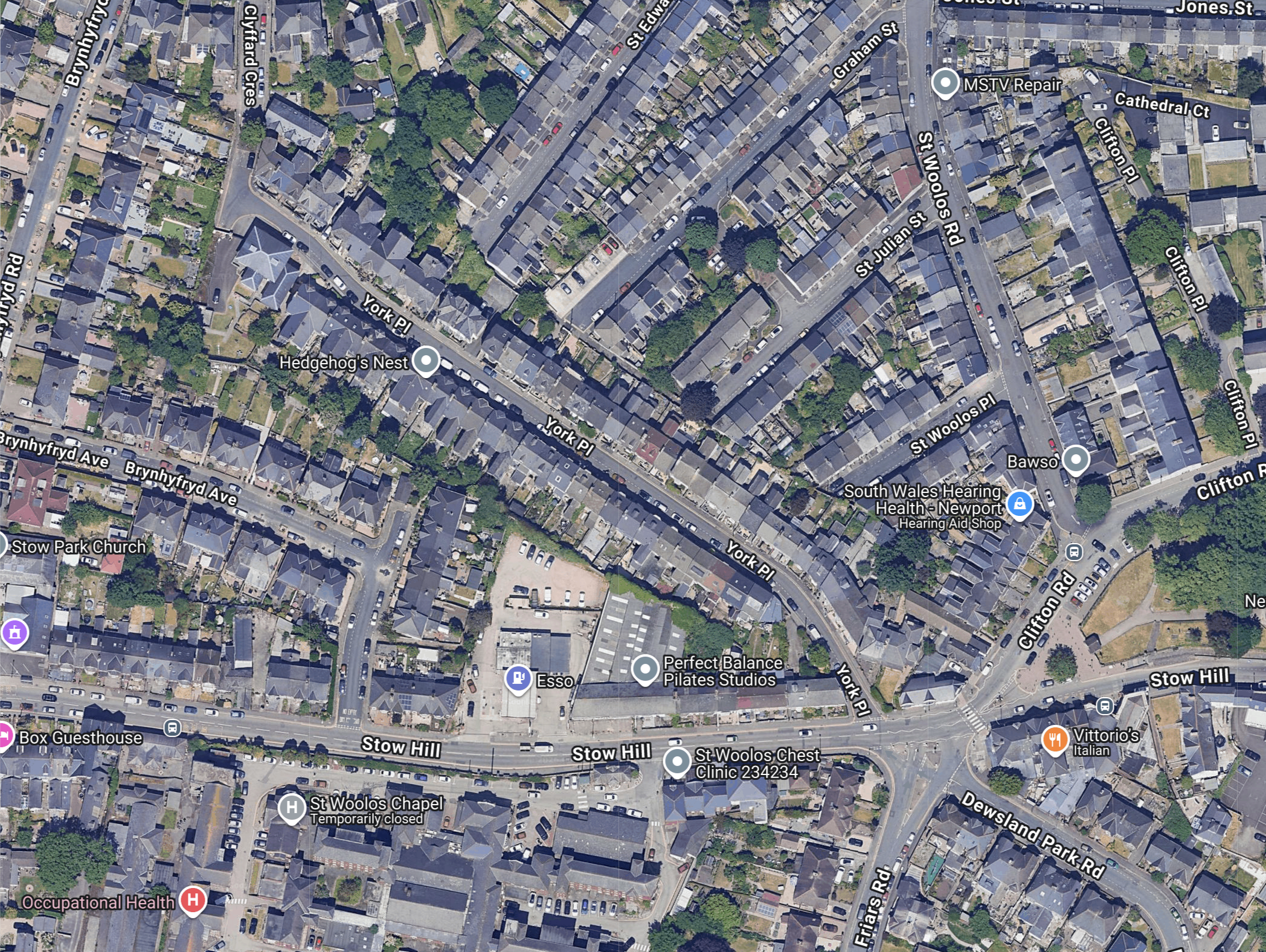
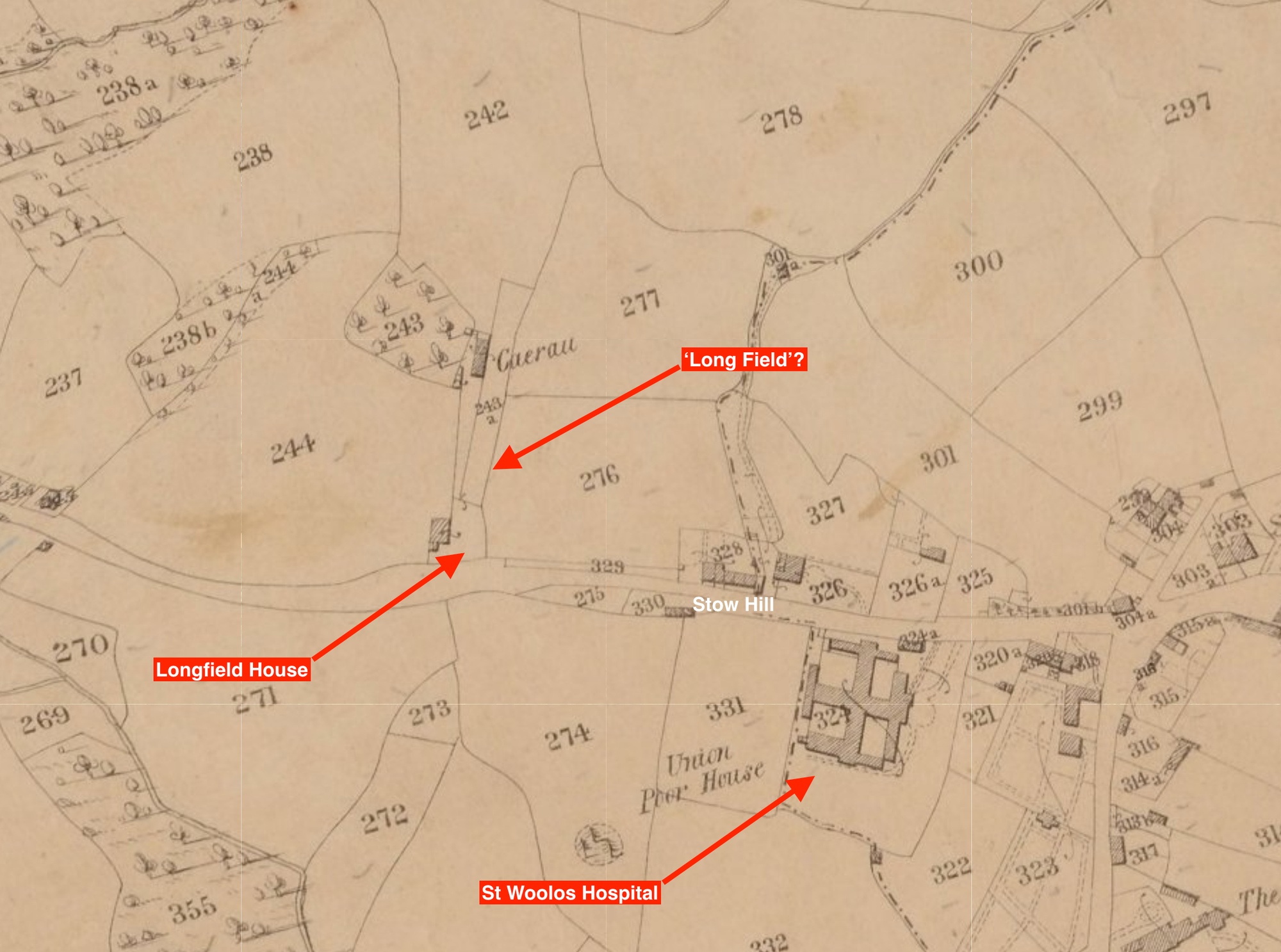
Whilst on the subject of tithe maps, it's interesting to compare the map against a modern satellite view as it often reveals why streets exist and it's clear that at some point in the 1840s (possibly Edward Lewis who had a pasture there at the time of the map) sold the plot of land and York Place was built on there. You can see how the street fits entirely within the plot of land marked 301
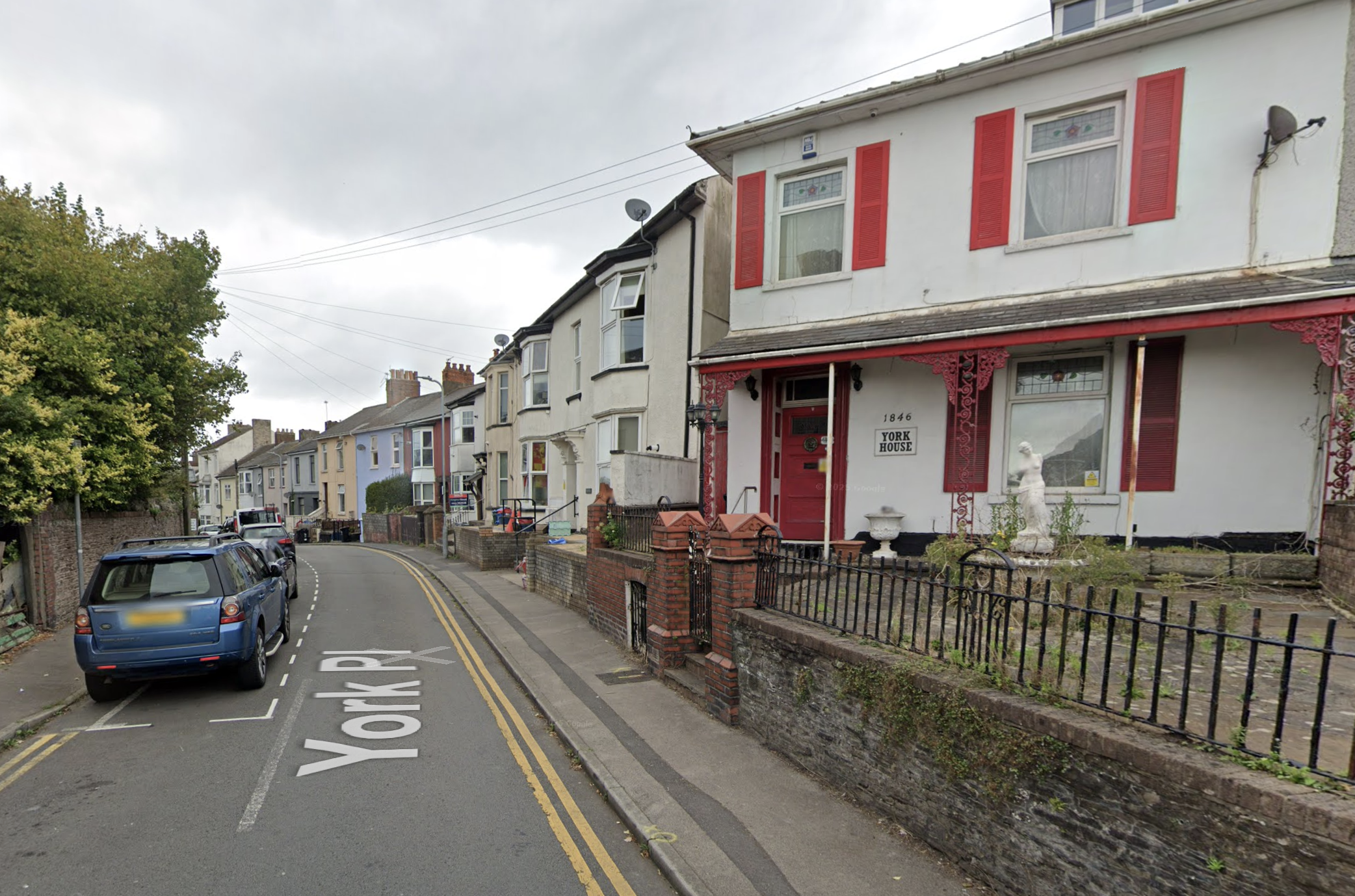
The house at the end of the street is dated 1846 and probably would have been the first house built. On the tithe map above, number is 304a is a toll house and would have been right at the junction of York Place and Stow Hill so would have needed to have been removed when the street was built.
Elopement
About 12 o'clock on Wednesday night last, an elopement took place from the quiet and ancient town of Caerleon, which caused a great deal of amazement, and much conjectural conversation, on the following morning.
Thus runs the tale — A certain master-builder, of soft and persuasive manners, had long paid his affectionate devoirs to one of those young and beautiful damsels who bloom so plenteously in the pleasant town of Caerleon. The fair beauty, captivated by the blandness and affection of her swain, reciprocated the sweet passion, and vowed to be his only. But "fathers have flinty hearts!"
The wooings of the enamoured lovers were discovered, and a careful restraint placed over the actions of the young lady. Being driven to determine, since parental authority was so rigidly interposed, the gallant Lothario procured a stolen interview with his inamorato, and persuaded her to elope and having got possession of an hundred stave ladder, it was fixed against the window, down which she almost flew from her chamber, and fell breathless into her lover's arms, who bore her triumphantly to a carriage hard by, and bade the post-boy drive like wind towards the Old Passage, beyond which no trace of them has yet been discovered but there is no doubt that "the young roving lovers" have, ere this, pledged their vows of deathless constancy at the altar of Hymen.
— Monmouthshire Merlin, 30th May, 1840

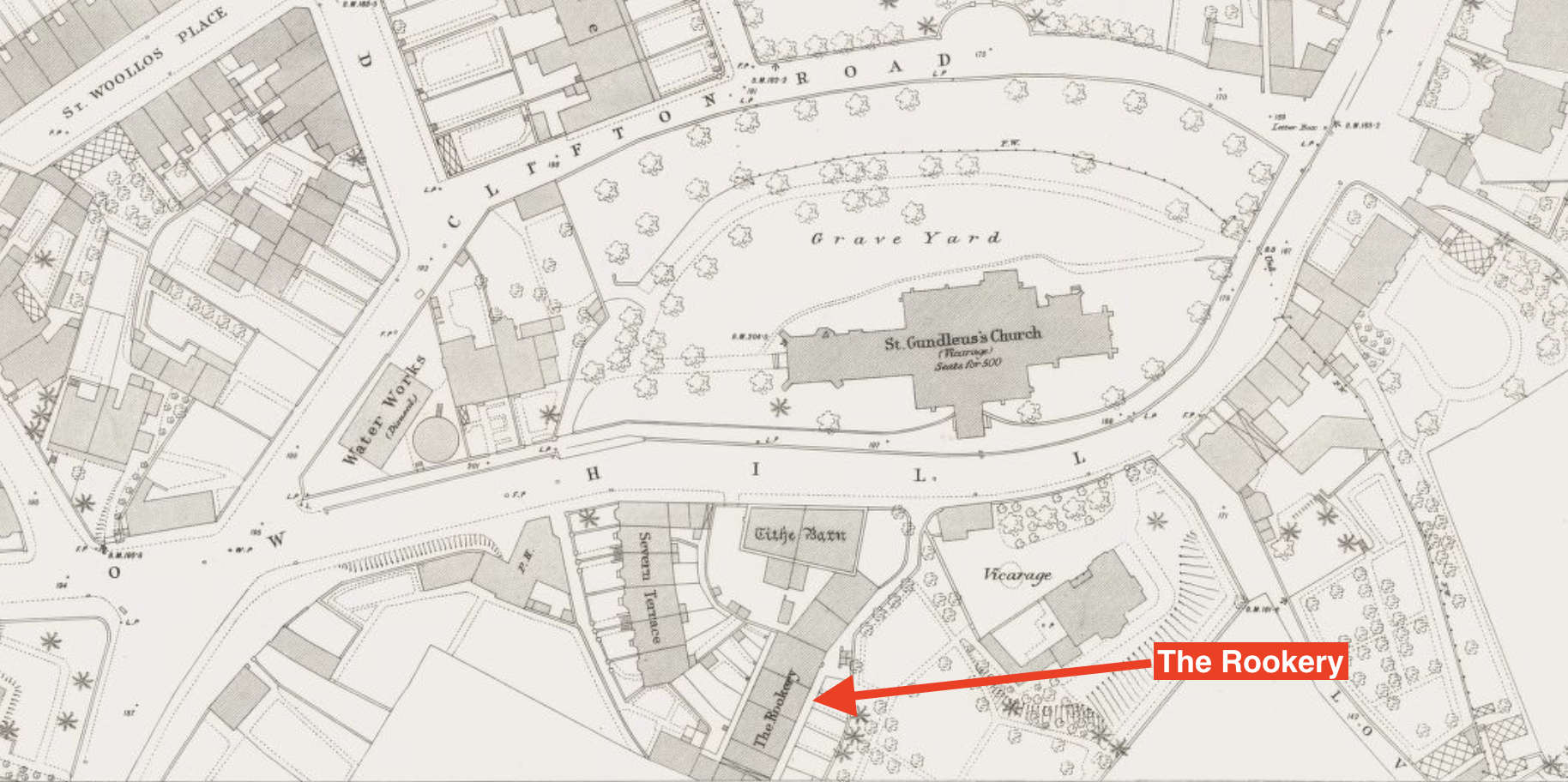
Isaac Fox, of the Rookery, Stow-hill, a hobbler, appeared to answer the complaint of Edward Bound, under-keeper to Sir C. Morgan, bart., for cutting underwood, and was fined 10s., and 11s. 6d. costs. A number of wires set to catch game, were found near the spot where Fox was "catched."
Thomas Alexander, a boatman of Cardiff, was charged with being drunk. Fined 5s. The poor sottish fellow had spent all his money in getting drunk, and dolefully enough he informed the Bench of the fact, adding that he therefore could not pay the amount.
Peter Williams was charged with taking a nap in the stable of Moses Scard, in Market-street. It appearing that the stable was not locked up, the prisoner was discharged on paying the prison fees.
William Webber, a navvy, was charged with fighting at the Market Boat, Stow-hill. The prisoner was discharged on paying the station-house fees.
Henry Fisher and Samuel Stock, two of the same genus as their friend just discharged, were charged with rescuing a prisoner, and assaulting the police. The former was fined 20s.. including costs, or fourteen days' imprisonment; and the latter —who had leaped over a wall twenty feet high, and then tried his sharp knuckles on the countenances of Messrs English and Hill was fined 40s. including costs, or to take one month's imprisonment.
Tim Collins, an Irishman, was charged with breaking a pane of glass, at the house of Mr. W. Greenland, (the Tradesman's Arms). Tim made a speech, and he certainly startled all who heard him, so powerful was his argument—so eloquent his words.
There was a touch of the blarney in it also; but it was of no avail. Those magistrates are such stern, inflexible men, said Tim with his eye, as plain as eye could speak, that they won't be melted, anyhow.
So they ordered him to pay 6s. 6d., the costs of both window and court, or to take up his residence in prison for a month.
Lewis Pitman was summoned for assaulting Thomas Ford, a Pill hobbler, known as Blue Skin. The offender was fined 2s. 6d and the costs, or a sojourn of fourteen days in the residence of Mr. Merrett.
— Monmouthshire Merlin, 27th May, 1848


Member discussion