

Welcome to another issue of The Newport Cornucopia where we dig through the newspapers archives for interesting news articles and adverts. All articles are posted verbatim and most headlines are original (headlines in quotes are my own).

'Rifleman's Arms, Tunnel Terrace'
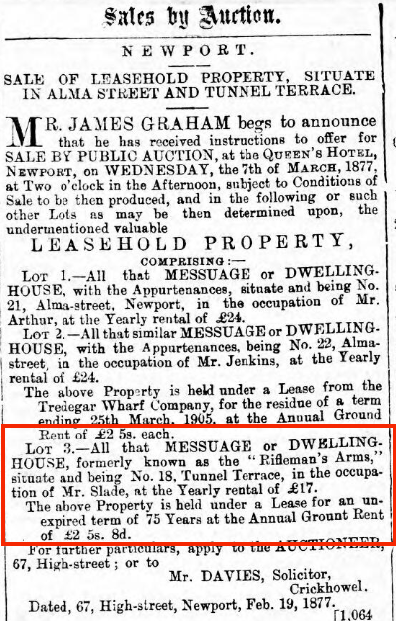
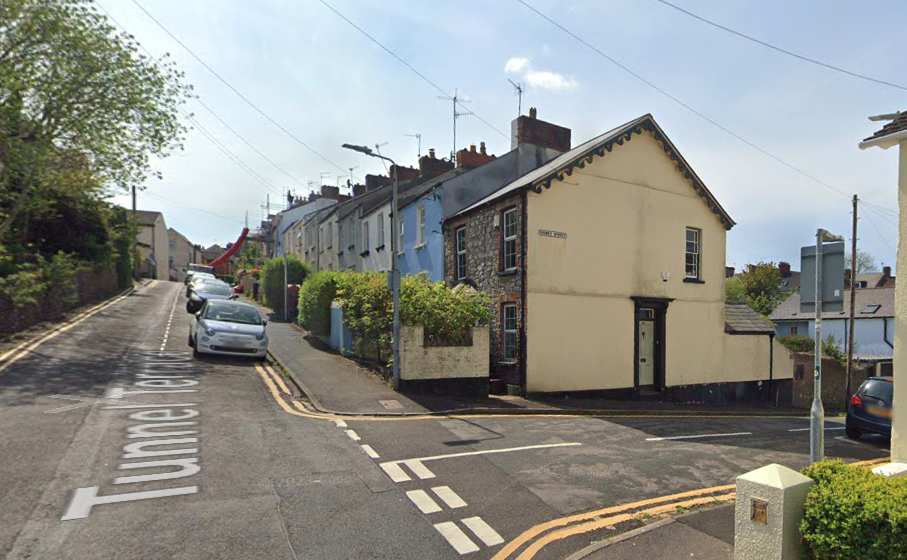
It's always interesting linking up old house adverts with the property today. This house on the corner of Tunnel Terrace and Sidney Street was once a pub called the Rifleman's Arms. In the 1876 street directory a Benjamin Slade (Plate Layer) lived there so the pub had already gone then.
'Early Teaser Adverts'
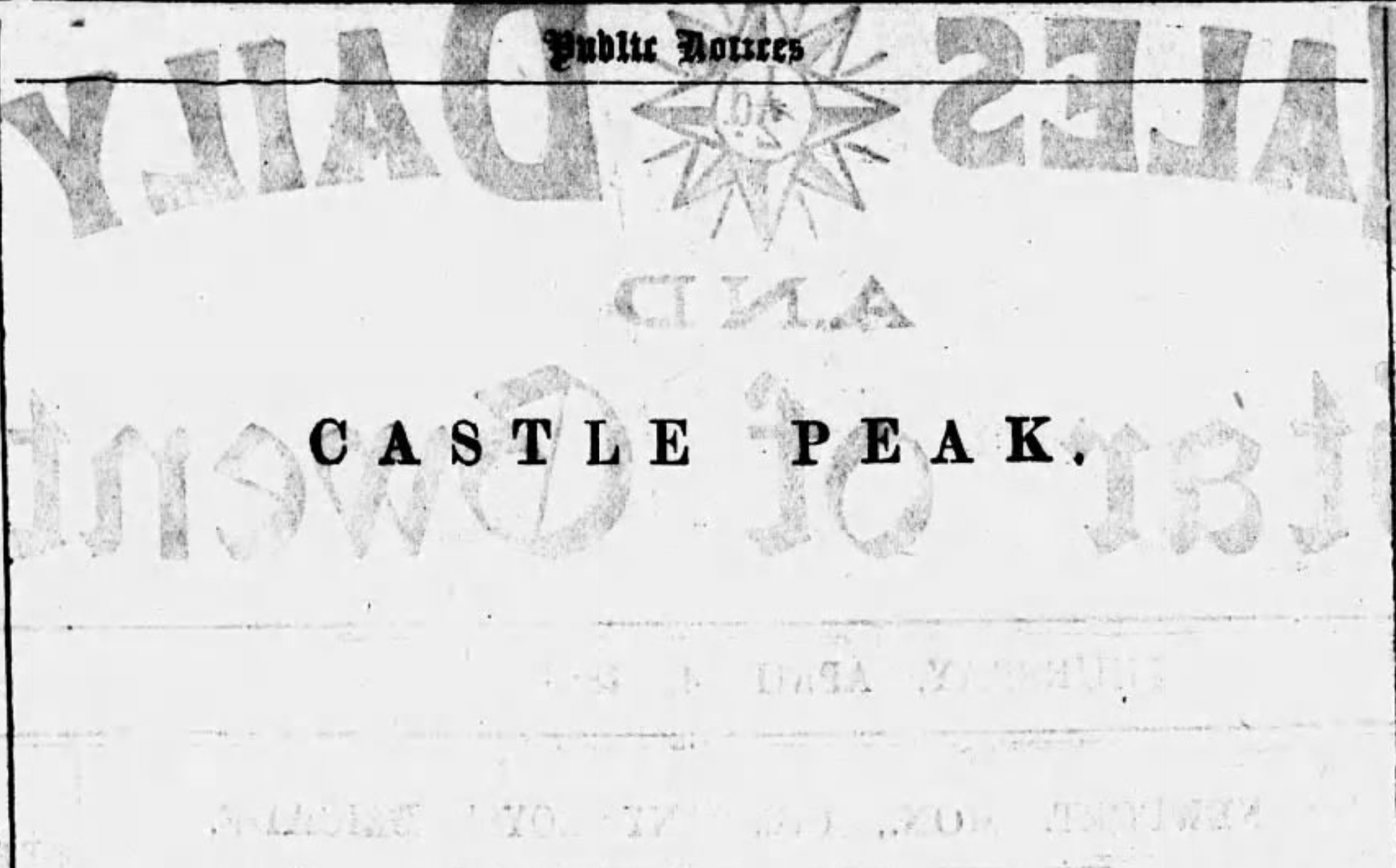
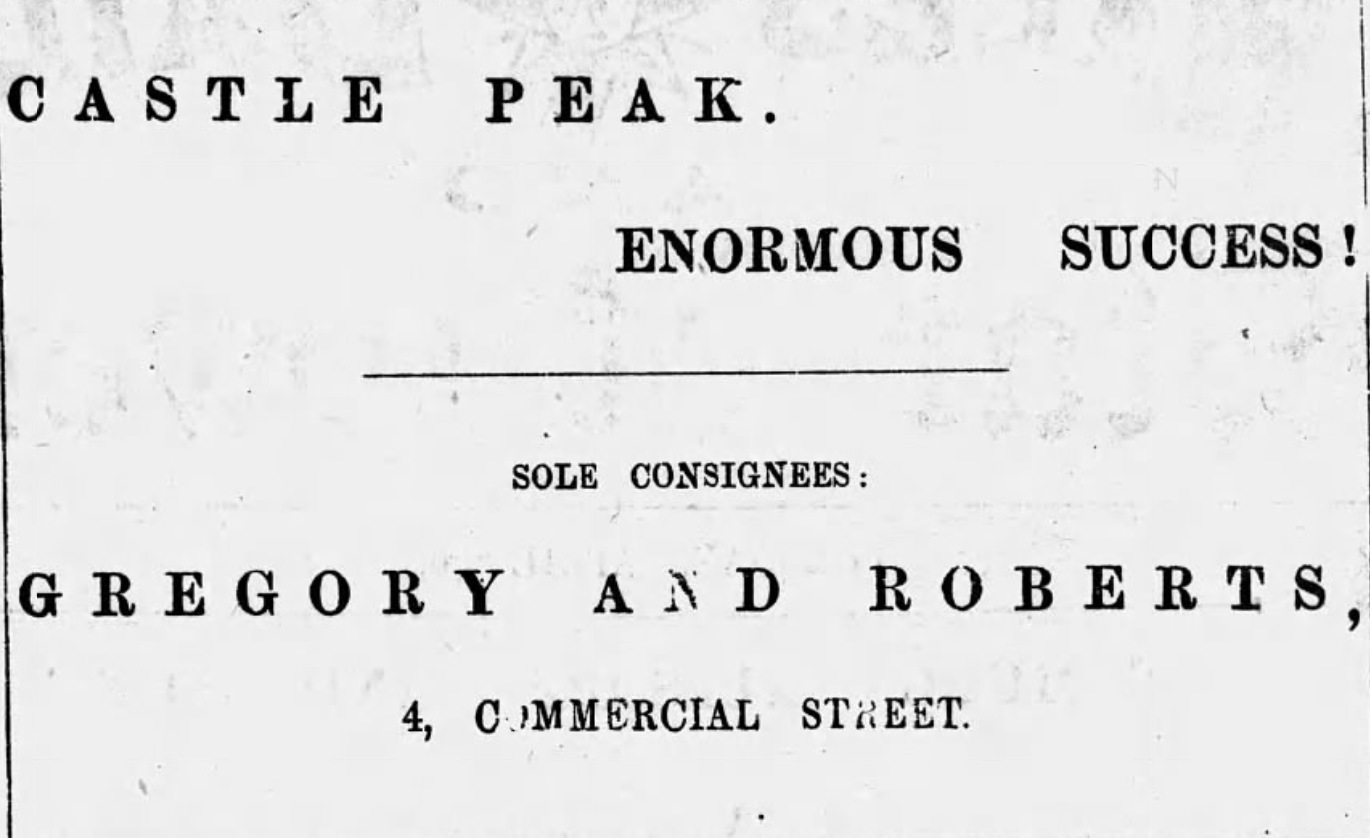
In April 1889, the Star of Gwent published a series of adverts which gradually revealed what being sold. For 11 days starting on April 3rd, 1886 a basic advert simply said 'Castle Peak' which didn't reveal much, unless the name was known at the time.
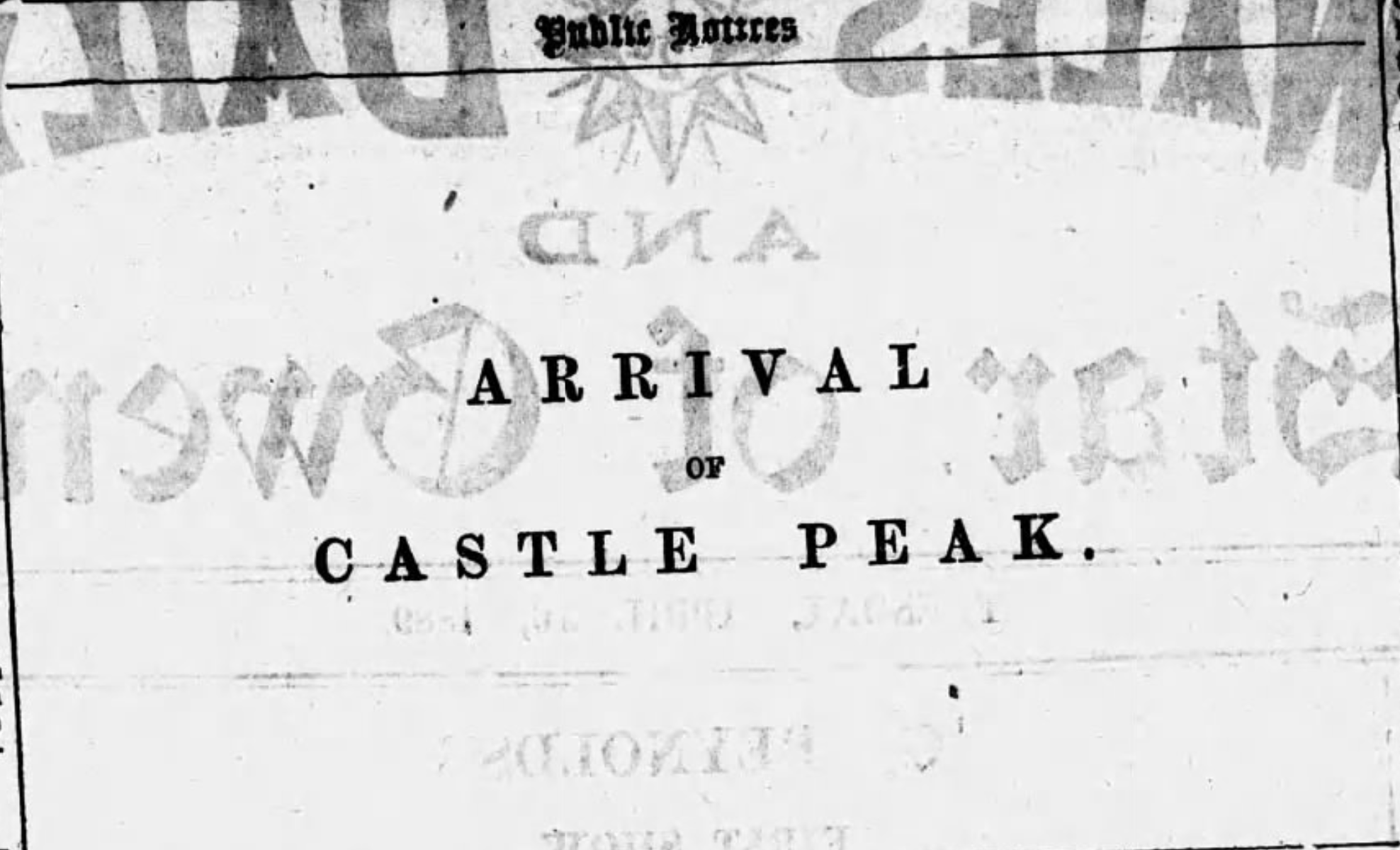
Then for two days the advert changed to — 'Arrival of Castle Peak' — which still didn't reveal much. Then finally, the full advert was revealed. Being sold was Castle Peak Ceylon Tea at Gregory and Roberts at 4 Commercial Street.
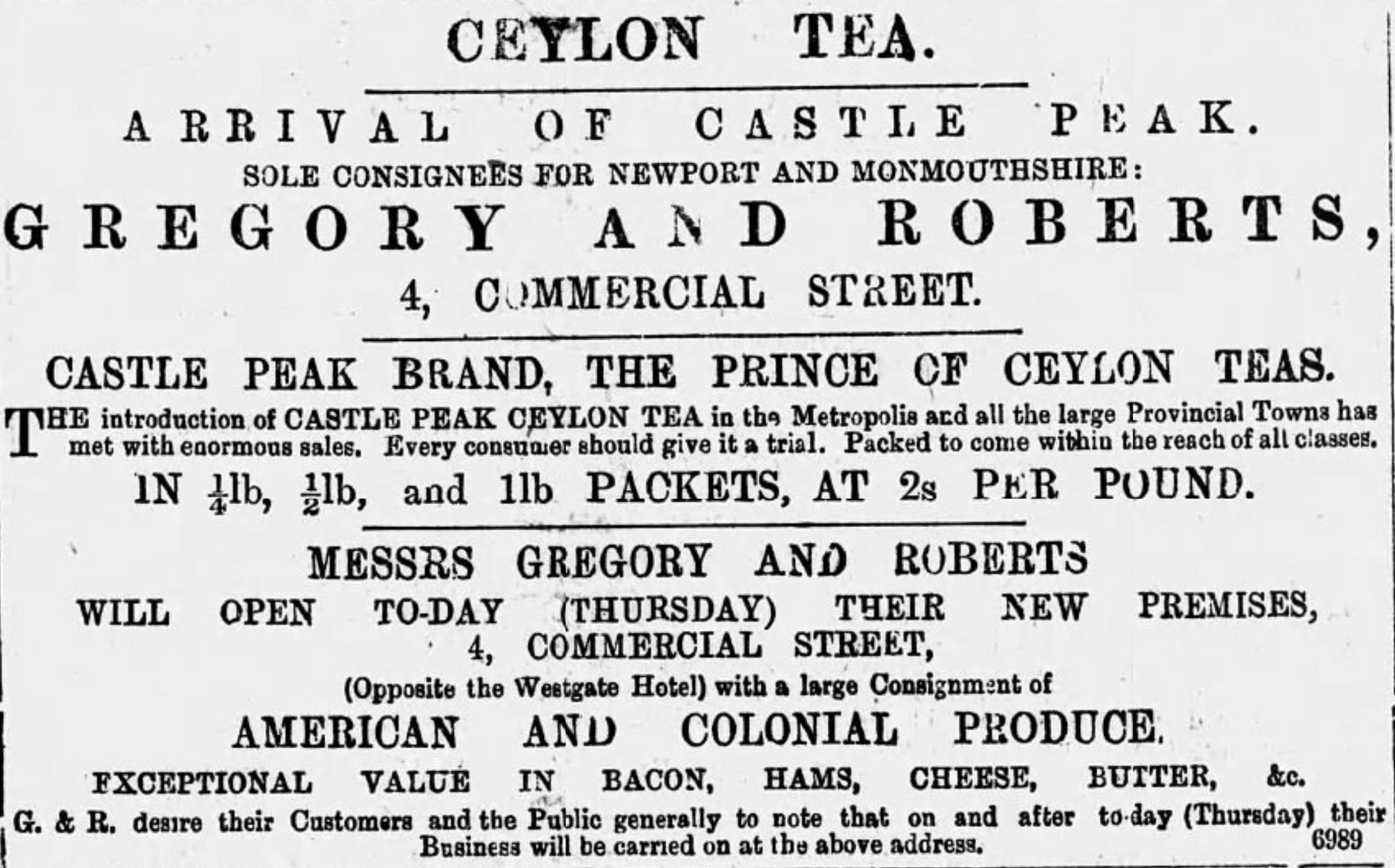
That advert continued to be published until the end of the month and was then replaced with the following advert celebrating the success of selling the tea.
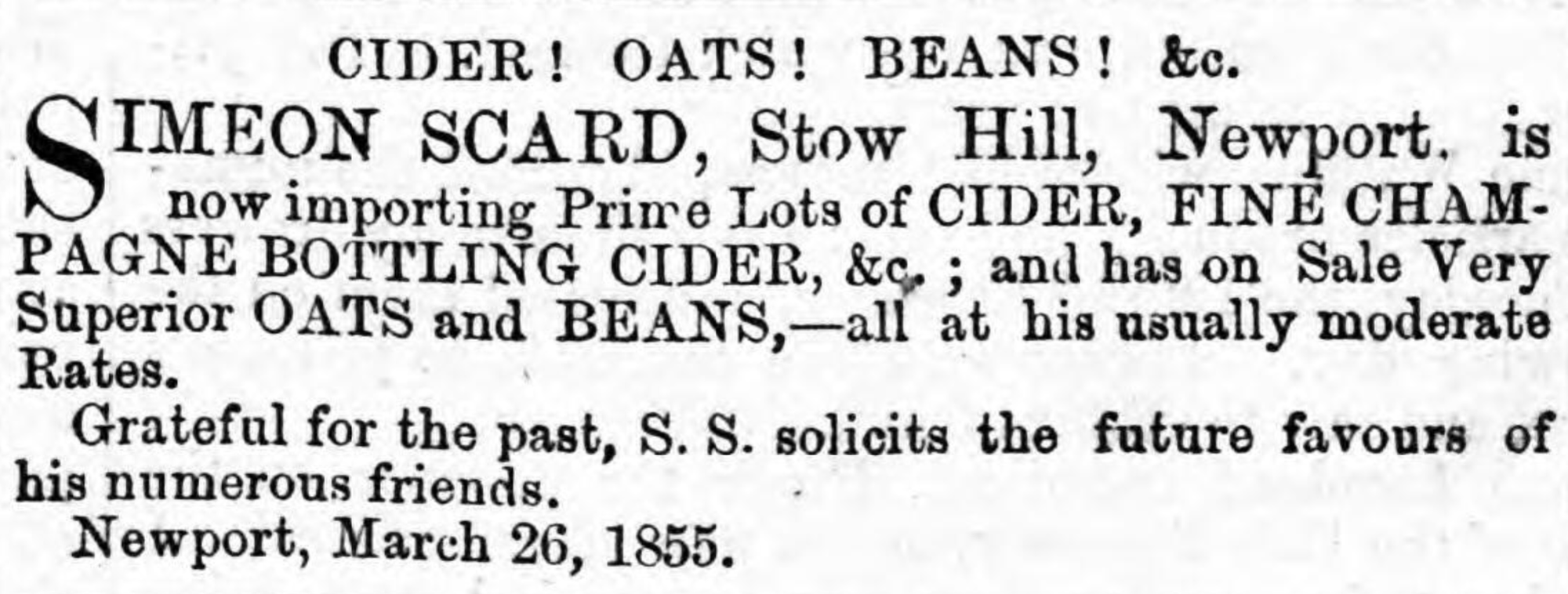
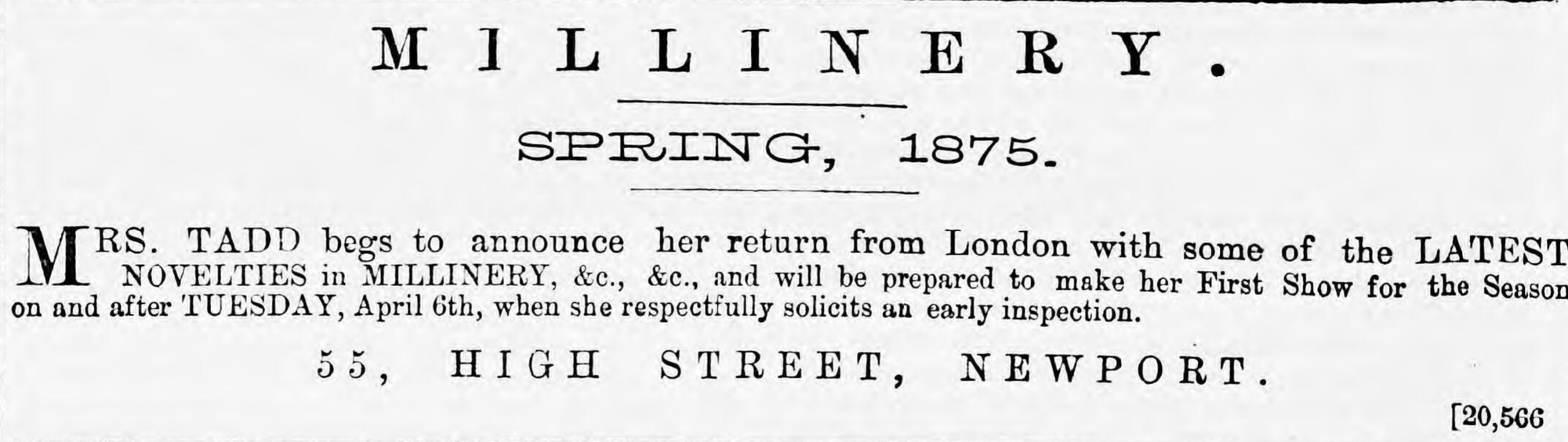
Spelling Bee at Malpas
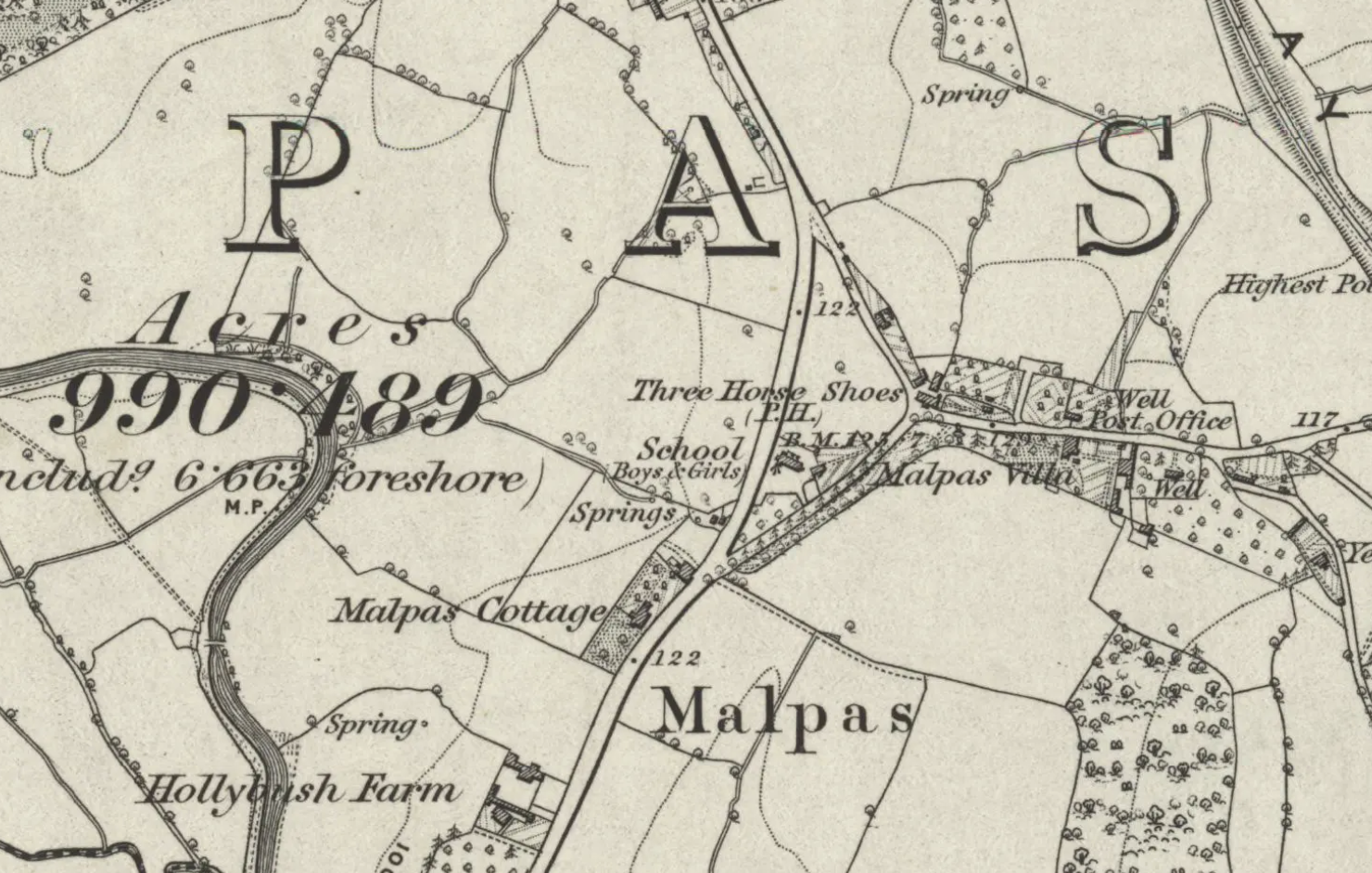
A Spelling Bee took place at the National schoolroom, Malpas, on Thursday evening last, when about 24 competitors entered the lists. The Rev. Mr. Jenkins, vicar of Malpas, presided; Mr. Prothero, of Malpas Court, acted as interrogator and the Rev. E. Prothero, vicar of Llantarnam, and Mr. Richmond were the referees. The "Bee" was well conducted, Mr. Prothero, the interrogator, showing himself an excellent orthoepist*.
The first prize, consisting of a silver-plated teapot, was taken by Alonzo Townsend, Caerau-park, Newport; the second, a letter-writing cabinet, by Miss Bragge, of Malpas; the third, a pair of glass vases, by Miss Capron.
The proceedings were varied by the singing of selections by the church choir in a creditable manner, and they concluded by votes of thanks to the Chairman, the Interrogator, and the Referees.
— Monmouthshire Merlin, 21st April, 1876
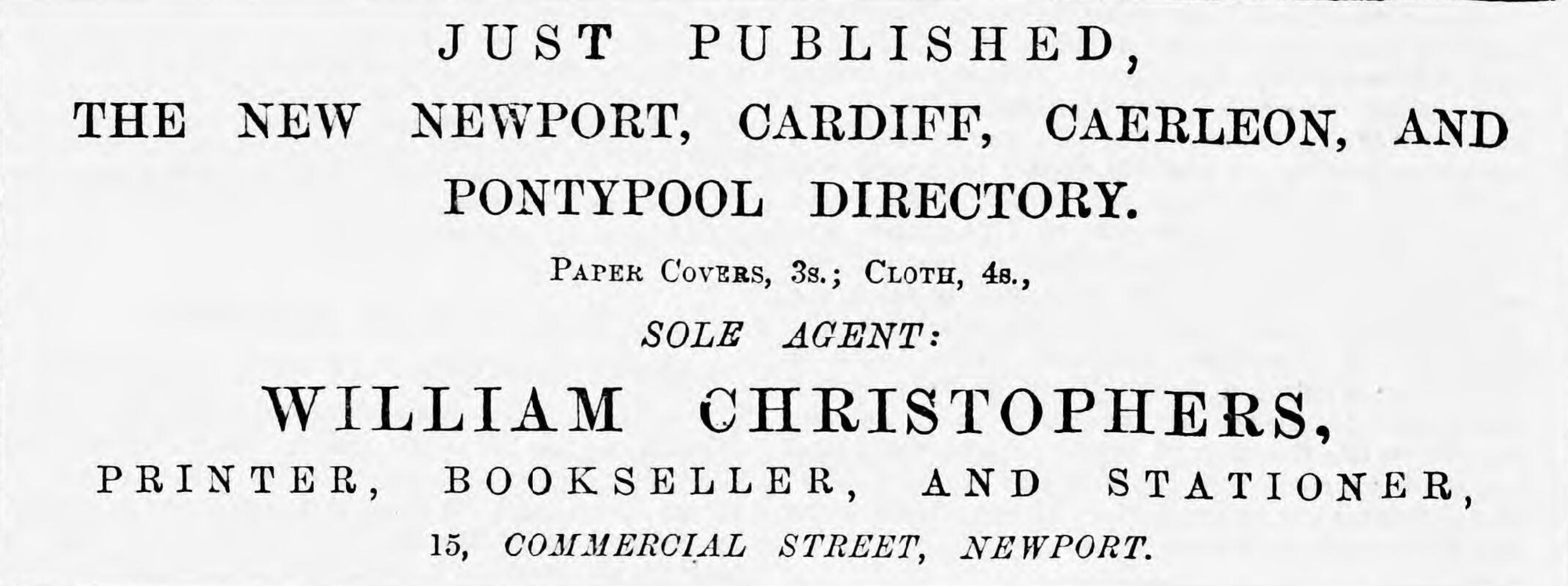
Shocking Railway Accident
An inquest was held on Wednesday, before Mr. W. H Brewer at the Tredegar Arms, Pillgwenlly, touching the death of Joseph Gould, aged 50 years, a rigger by trade. Silas Dutfield, a policeman in the employ of the Monmouthshire Company, deposed that on Tuesday, evening, at 7.45 pm., he saw No. 34 engine come down on the canal side, and as it passed he noticed something between the wheels. On looking again, he saw it was the body of a man, and called out to Evan Harry, the driver, who then pulled up.
The centre driving wheel had cut the deceased's head off and the body was fearfully mangled. The remains were gathered up in cloths. Deceased was seen near the spot going towards the docks, and was perfectly sober. The jury returned a verdict of "Accidentally Killed"
— Monmouthshire Merlin, 2nd April, 1875
'To Let: Alma Villa, Park Square'
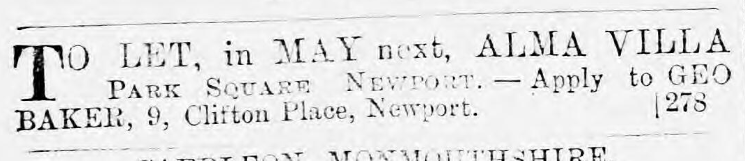
According to street directories, No. 6 Park Square was known as Alma Villa so presumably this is the building that was available to let in 1876.
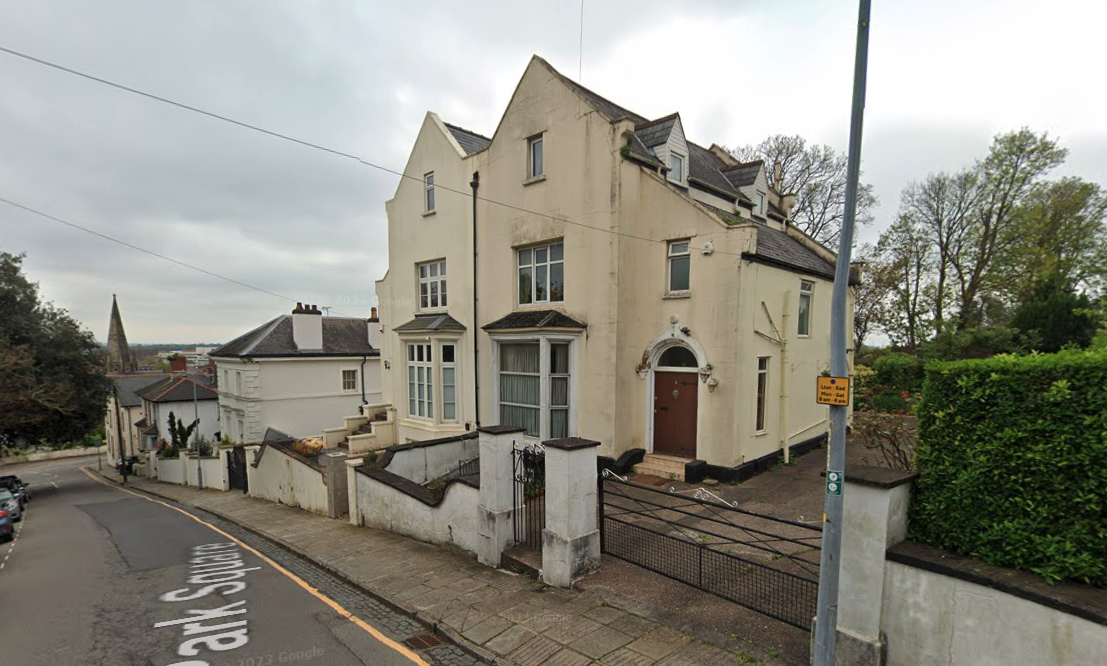
'Miss Crawley's Ladies School'
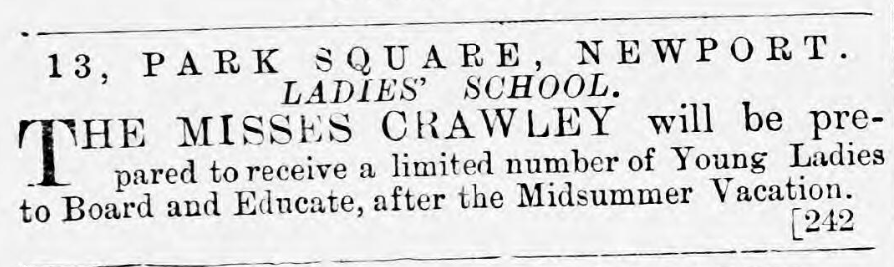
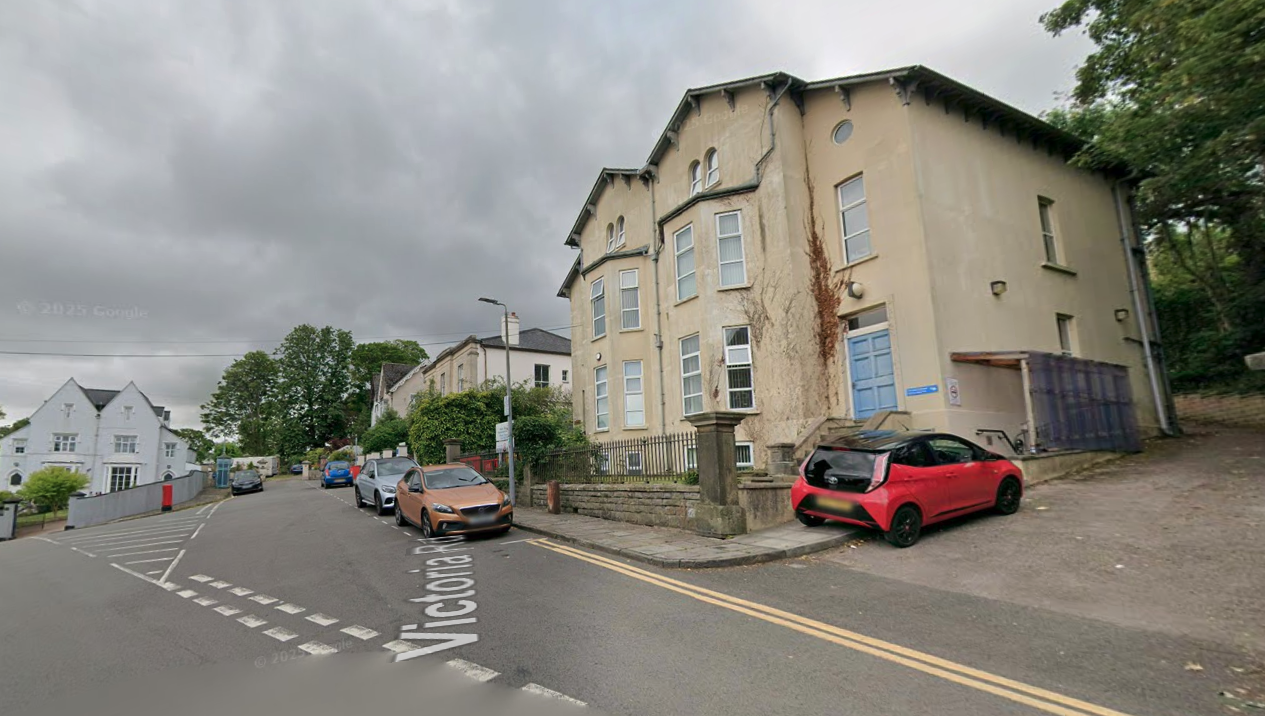
Today the building on the right is occupied by Aneurin Bevan as a place for their Mental Health Support Service and is No. 12 Park Square but back in 1876 the right building was No. 13 was a ladies' school. Interestingly in the 1938 street directory the building was used as a Roman Catholic Convent.
Death of a Gypsy Child
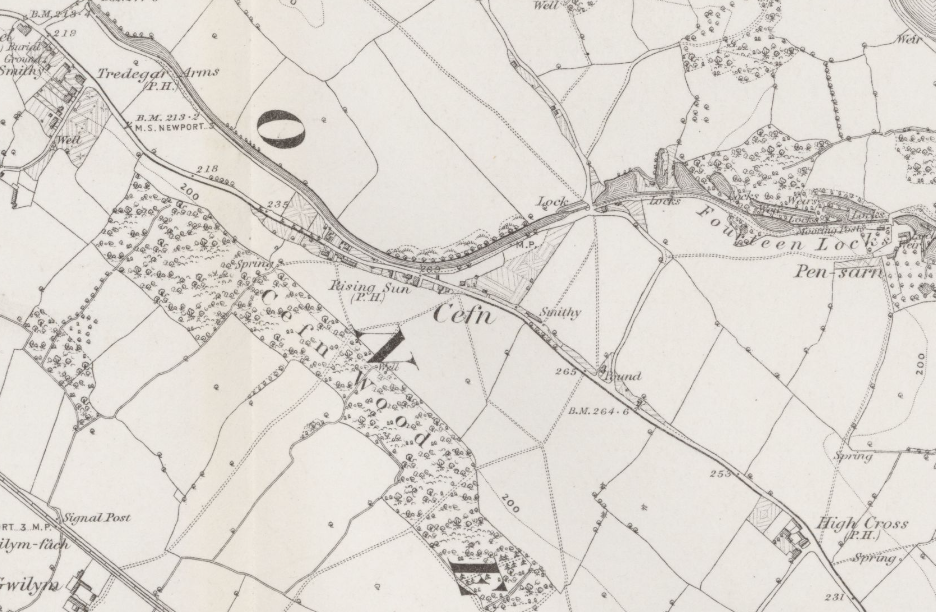
Mr. Brewer, coroner, held an inquest at the High Cross Inn, on Tuesday, on the body of a child three weeks old. The parents of the child are members of the great gipsy tribe of Lee, and live in a tent on the Cefn. There appeared no doubt that the child died from convulsions or some other natural cause. Verdict according.
— Monmouthshire Merlin, 9th April, 1875

Systematic Thieving
Mary Anne Gane and Elizabeth Thompson were charged on remand with stealing a coat, a pipe, and tobacco pouch, from the Butcher's Arms, Griffin-street, kept by Elizabeth Piper. On Tuesday evening, Gane was in the Butcher's Arms, and next morning the coat was missed. It was found at Mr. Isaacs's, pawnbroker, pledged in her name.The prisoners were committed for trial at the Quarter Sessions.
The prisoner Elizabeth Thompson, and her husband, John Thompson, were then charged with stealing a trousers and waistcoat, the property of Mr. S. Little, clothier, High-street*. The articles were found by Detective Jones, concealed under a mat near the yard where the man Thompson was working.
On being charged he said, "I know'd they were not got honestly by her (his wife) out of my wages, so I took them from the house."
Both prisoners were committed for trial. The female prisoner, Thompson, was then charged with stealing two pairs of trousers, and a silk umbrella, the property of Mr. James Barter, clothier, High-street**, and was committed for trial on this charge alo (sic).
She was further charged with stealing two overcoats, the property of Mr. H. W. Phillips, clothier, Commercial-street. This robbery and the one upon which the preceding charge is founded, was committed some time ago. She was committed for trial on this charge, making four charges in all.
— Monmouthshire Merlin, 2nd March, 1877
** James Barter had a shop at 38 High Street where the tenovus shop is located today.
Strength of Newport Beer
William Rikes was charged with being drunk and incapable in High-street, on Tuesday. He pleaded that he was a Bristolian, and that the Newport beer was too strong for him. Fined 5s.
— Monmouthshire Merlin, 2nd March, 1877
Furious Driving in High Street
James Thompson was charged with furiously driving a horse and cart in High-street, on Saturday afternoon. It appeared that a woman named Morris was knocked down and injured, while crossing the street.
Mr. Nugent Wells* said he should think defendant was I driving about six or seven miles an hour, but he was not driving faster than others were in the habit of doing. Great danger was caused by the furious way in which fish carts and other vehicles were driven in High-street, which is a very crowded thoroughfare.
The defendant alleged that the woman came suddenly out from behind a cart. The Bench fined defendant 10s, Mr. Cullum remarking that a stop must be put to furious driving in High-street.
— Monmouthshire Merlin, 2nd March, 1877
'When Sims Reeves Conquered the Victoria Hall'
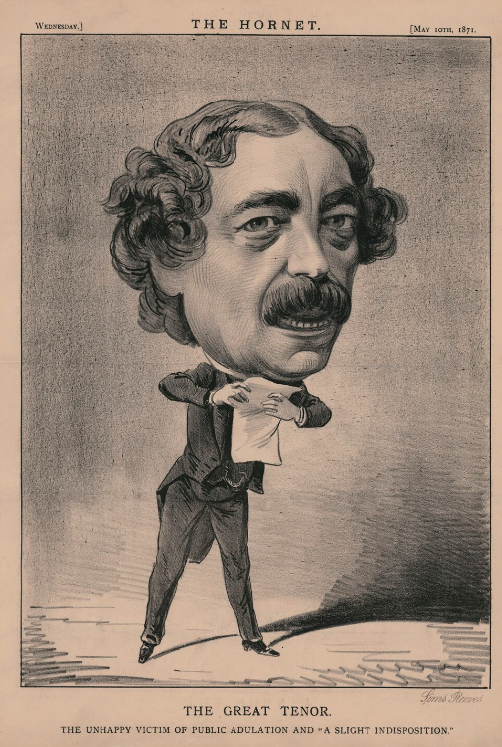
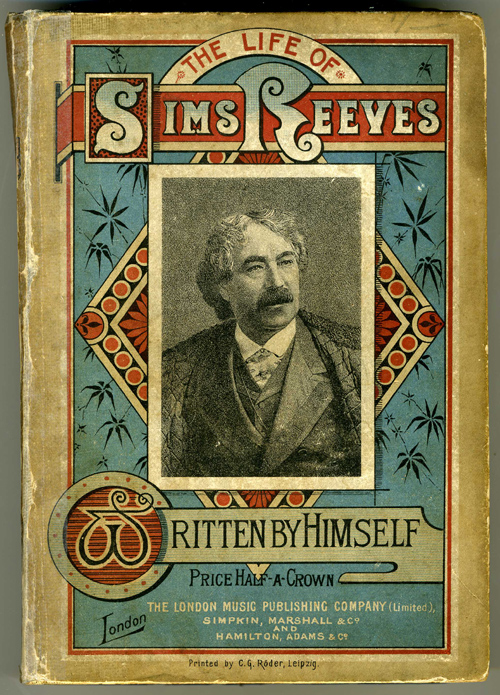
In 1876, the Monmouthshire Merlin published an article about the arrival of the great tenor (John) Sim Reeves.
Reeves began his singing career in 1838 but continued his vocal studies until 1847. He soon established himself on the opera and concert stage and became known for his interpretation of ballads. He continued singing through the 1880s and later taught and wrote about singing.
Here is a summary of the article.
In the autumn of 1876, an expectant thrill passed through the musical community of Newport. The great tenor Sims Reeves was announced to visit South Wales as part of a provincial tour under the management of a Mr Pyatt. However, Reeves had earned a frustrating reputation for "entering and not running"—frequently pulling out of advertised appearances at the last minute—leaving local audiences highly incredulous.
To reassure the public, the enterprising Mr Pyatt hit upon a novel marketing tactic. The moment the singer arrived in a town, gigantic posters were put up boldly declaring that Sims Reeves "has put foot" in the borough. True to his word, the posters appeared in Newport, and a reassured crowd flocked to the Victoria Hall on Wednesday evening.
It proved to be an historic turnout. The spacious hall was packed to the rafters, generating gate receipts estimated at £200. This was an extraordinary sum for the era, with the local press noting it was seldom that a Newport audience was worth even half that amount. The correspondent proudly observed that the massive turnout went "some distance towards refuting the statement so frequently made, that Newport is so far behind in the artistic scale as to be incapable of properly appreciating high-class talent."
Musically, the evening was a triumph. Though critics noted Reeves’ voice lacked some of the vigour of his youth, his purity and tone remained magnificent. He caused a brief moment of panic when his accompanist, Mr Sidney Naylor, stepped forward to make an apology before his first appearance. The audience "startled with dismay," fearing another trademark cancellation, but it was merely to change the programme; Reeves substituted "The Reaper and the Flowers" for "The Message," before later delighting the crowd with "Come into the garden, Maud."
While Reeves was the star, public opinion divided the honours equally between the tenor and Signor Foli, a bass singer with a splendidly powerful voice who scored hits with "The Raft" and "The Shadow of the Cross." They were supported by a stellar cast, including Madame Cave-Ashton, Miss Helen D'Alton, the violinist Mdlle. Bertha Brousil, and the flautist Mr Nicholson.
The Newport audience was notoriously enthusiastic, demanding encores after almost every single number. However, the company maintained a strict policy, with performers repeatedly refusing to return to the stage despite rapturous applause. The sole exception was Reeves himself at the very end of the night, who finally relented to the vociferous demands and repeated the final verse of "My Pretty Jane," sending the Newport crowd home thoroughly satisfied.
— Monmouthshire Merlin, 21st April, 1876
'For Sale: Crindau House'
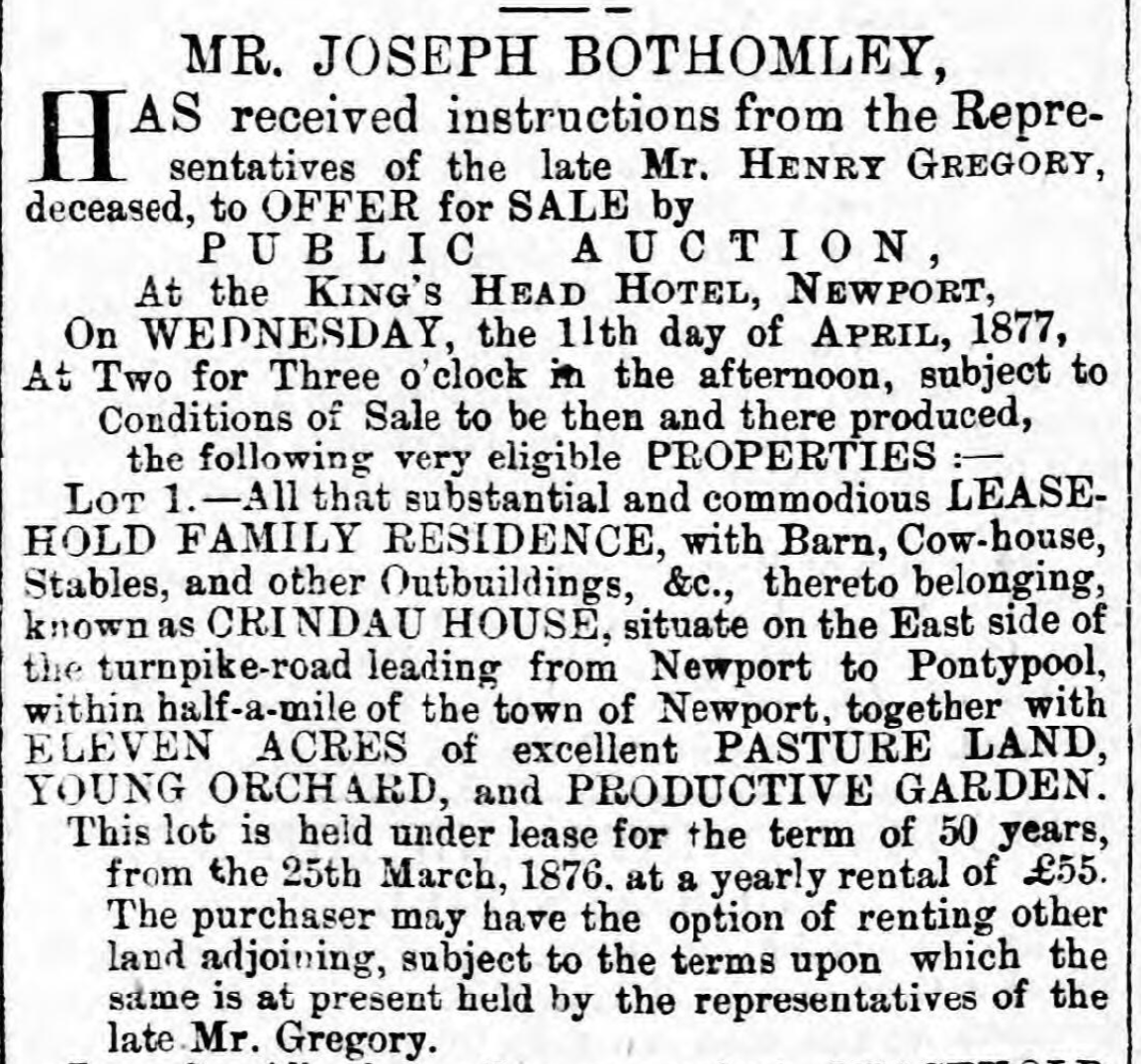
An advert in the Monmouthshire Merlin on 6th April, 1877 lists Crindau House being offered for sale. Back then the land was still undeveloped with only the road leading up to Brynglas House to the west and the railway line to the east surrounding the house.
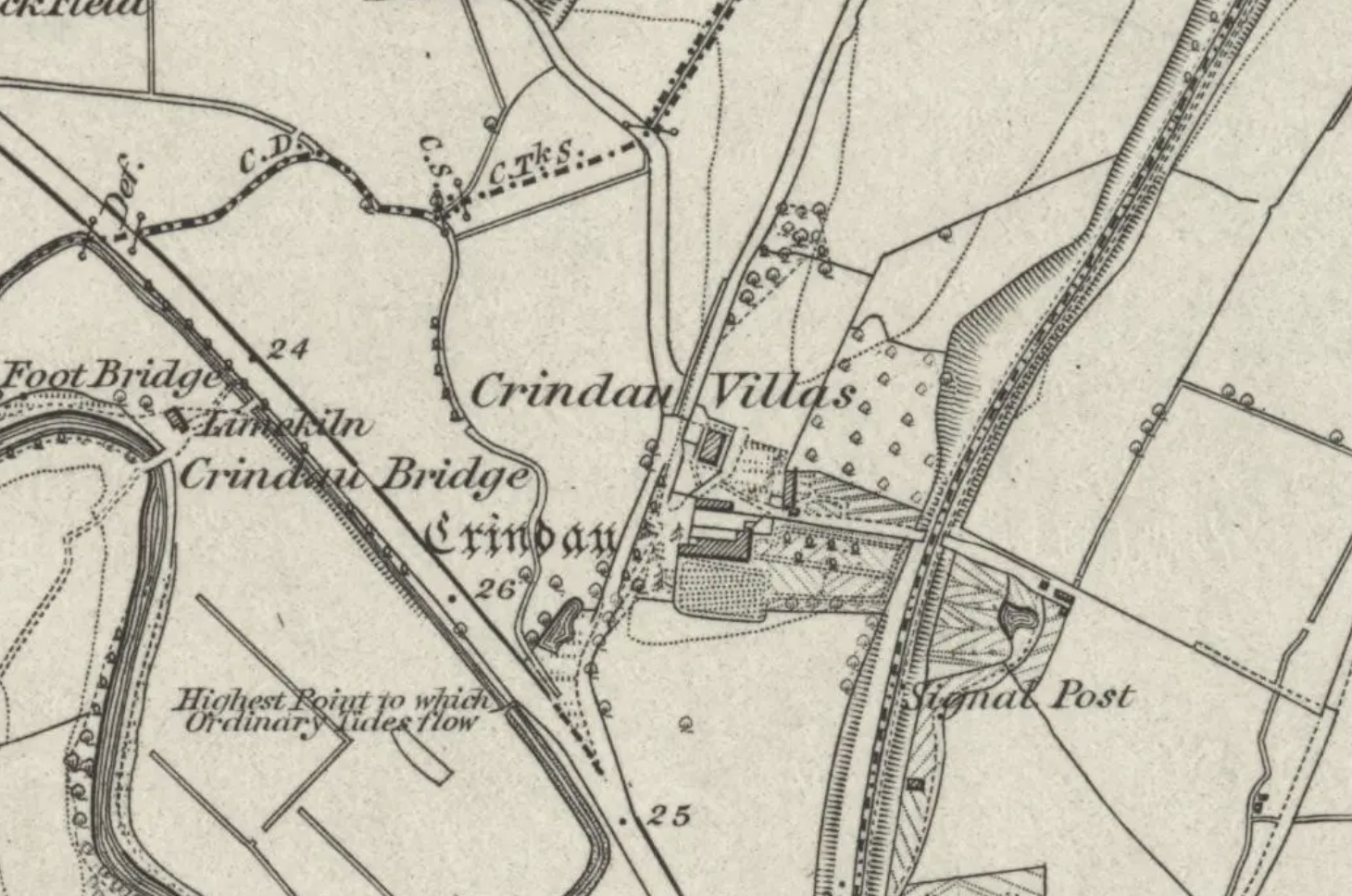
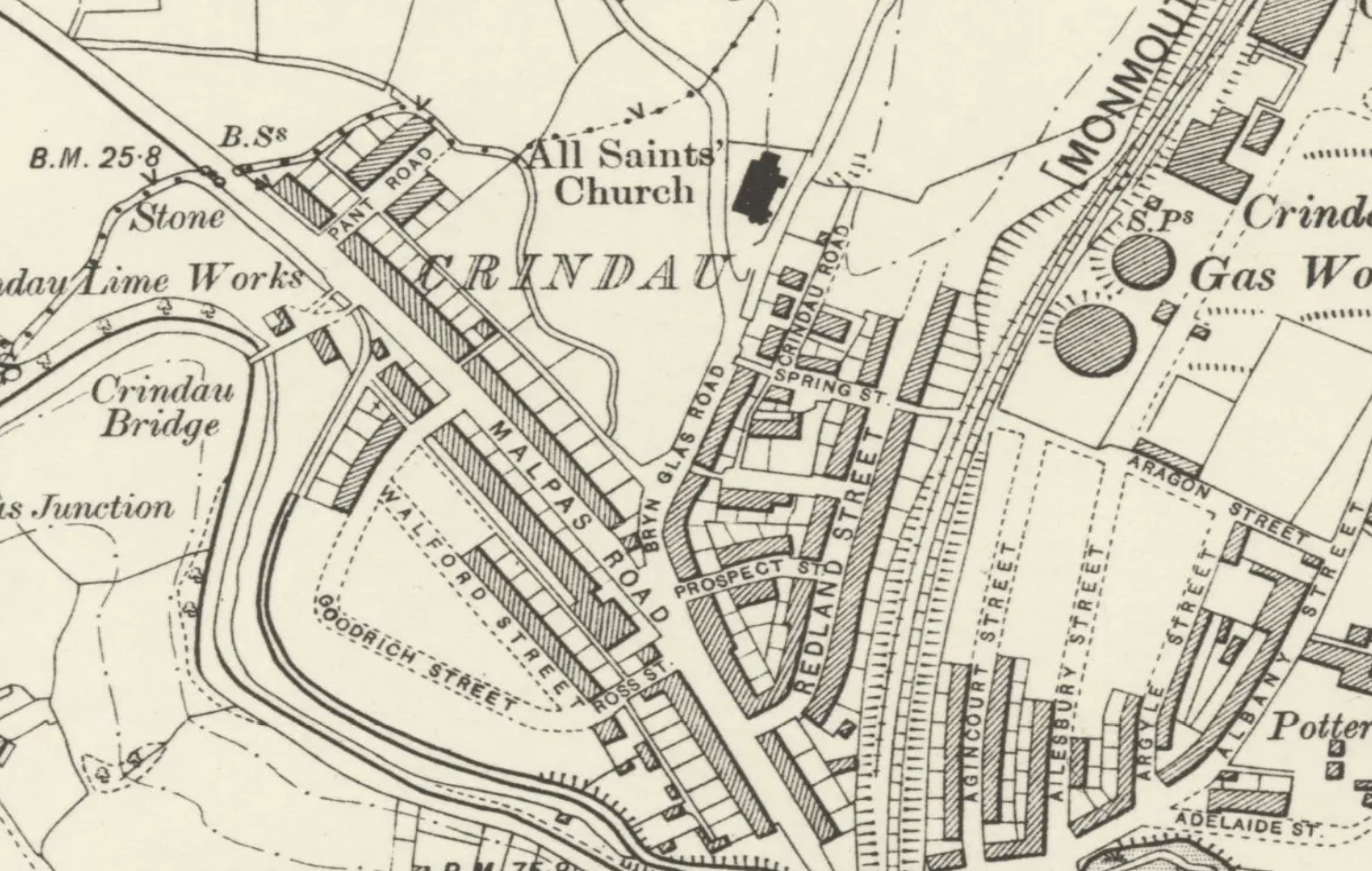
By the time of the map below (1899), the streets in the area had started to appear and only the house and possibly one of the outbuildings remaining on the south side of Spring Street.


Member discussion