

Welcome to another issue of The Newport Cornucopia where we dig through the newspapers archives for interesting news articles and adverts. All articles are posted verbatim and most headlines are original (headlines in quotes are my own).

Poisonous Wells
Dr Davies, the Newport officer of health, has done good service by his official report to the Council on Tuesday. He gives an analysis of the wells at present in use, and recommends that, without exception, they should be closed.
We are glad that the Board have taken prompt action in the matter. The surveyor has instructions to report on the best way of dealing with the water supply in the event of its being needful to close the wells. It is impossible to over-rate the importance of this precaution in a season when dysentery, cholera, and typhoid fever, the fruitful product of impure water, hang about.
Science has proved, by the aid of practical experience, to use Dr. Davies's words, "that the specific poison of cholera and typhoid fever is more particularly contained in the intestinal discharge of the sick." These discharges find their way from the sewerage to the wells, and impregnate the water. The existence of chlorides in considerable quantity," says the Doctor "is an almost certain indication that water is contaminated with sewage containing the excreta of human beings."
Perhaps the most important passage in the report is that which relates to Dr. Frankland, "acknowledged to be one of the highest authorities on water analysis." It appears that Dr. Frankland sat here on the Rivers Pollution Commission, in October 1872.
"This gentleman took the opportunity of examining the water of the pump most in repute in the town, viz., Balleswell."
His report was unfavourable, and the analysis proved beyond a doubt that sewage oozes into it. To an unscientific mind this is very hard to credit.
Living near this noted pump ourselves, it is the delight of our family to enjoy in the fierce heat of summer from the Baneswell pump a glass of water colder and more palatable than the artificial iced, simply because it has never been warm. It is as good as a bottle of soda water, so far as its sparkling character is concerned.
Nevertheless we are told that these very exceptional qualities bespeak the danger of animal poison leaking from the surrounding ground into the well. It has been mentioned to us (we are not able to verify the fact from practical test) that the Baneswell water if kept for twenty four hours emits an offensive smell.
It is well known that the most pellucid, sparkling drinking water was at one time to be found in the neighbourhood of the old churchyards in London. The wells which formerly supplied this water are now all closed from motives of public health. In these cases, as in that of Baneswell pump, the palatableness of the water is "due often to the presence of salts, such as nitrates, derived from the oxidation of either sewage or animal matter."
The report, which, as already stated, recommends that the Newport wells be closed, or at least during this trying weather when dysentery is prevalent, the handles of the pumps may be temporarily removed, gives us an uneasy feeling.
Dr. Davies has, however, done his duty, and the public will recognise the pains he has taken in the matter. With regard to the poor people who have no other resource than the pump, we believe that the Board of Health are empowered to make ample provision. It is satisfactory to know, on the authority of Dr. Frankland, that the Company's water is free from sewage or any contamination of that kind, and also free from organic matter. It has been suggested to us that this absence of animal matter is due to the superabundance of fish at the Reservoir. Probably some of our scientific readers would be able to throw light upon the matter.—Star of Gwent.
— The County Observer and Monmouthshire Central Advertiser, 9th August, 1873
Latest Rill of the Baneswell Pump
The character of the ancient public pump in the district of Baneswell, Newport, was further assailed at Newport borough police-court to-day. Mr Dredge, the ex-publican, who has championed the cause of the poor pump, produced the friendly analysis which he had caused to be made. This was signed by Mr G. R. Thompson, analyst, and was to the effect that the water showed such sewage contamination; although not to a very serious extent, as justified him in regarding it as unsafe for drinking Purposes, and therefore that it should be discontinued.
Mr Dredge produced a memorial signed by 100 ratepayers, protesting againnst the closing of the pump, and asking that it should be repaired and puddled on the ground of its general usefulness for cleansing purposes, such as washing horses' legs and cleaning carriages.
The Bench thought the ratepayers did not want the pump water, as every household was supplied with town water but decided to ask the Sanitary Committee of the Town Council to order an examination to ascertain whether the contamination was local or proceeded for St. Woollos old cemetary.
— South Wales Echo, 16th February, 1891
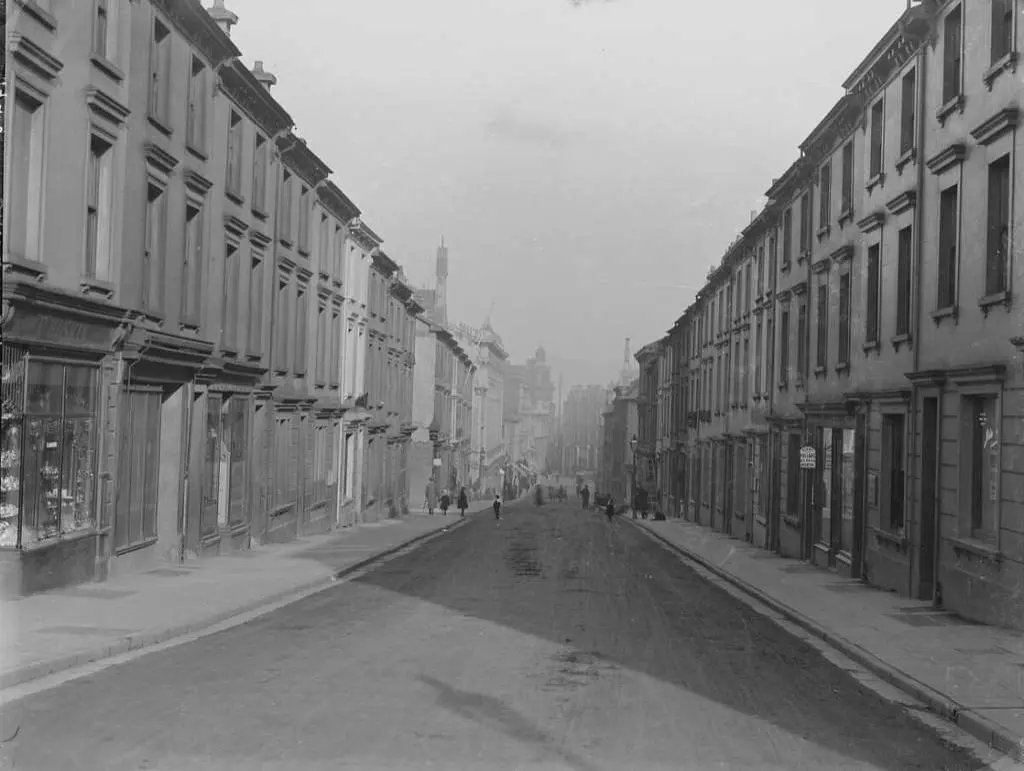
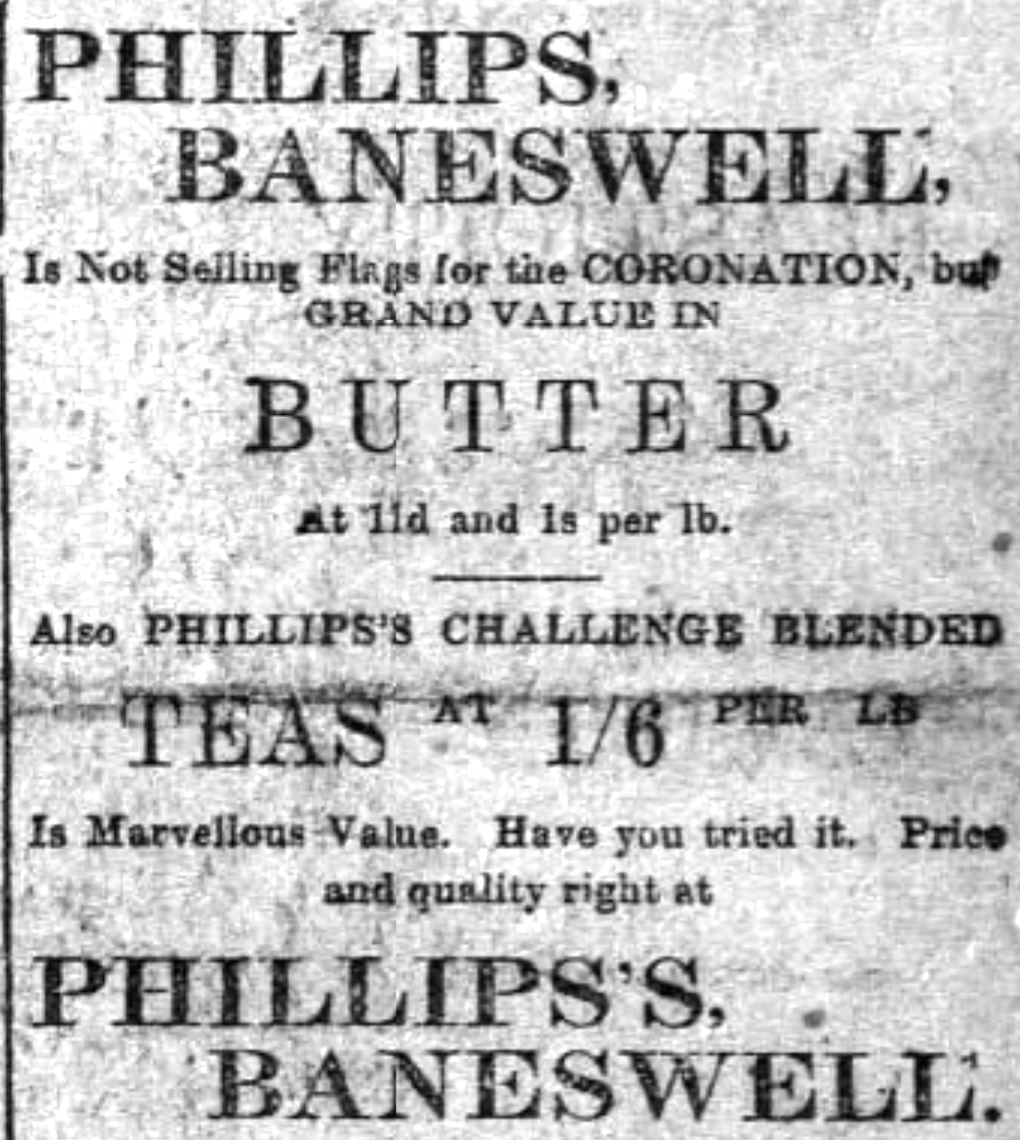
An Appeal to the Benevolent
DEAR SIR, — May I ask you to kindly give insertion to this letter in your next issue, in the hope that sufficient subscriptions may come in to enable the carrying out of an object in view. A poor young widow in Baneswell, if supplied with, a sewing m chine, at the cost of £6 16s. 6d., would have the chance of keeping together her little humble home.
She has lost five children and her husband in the space of seven years, the latter and two children this year—so, that nearly all the money she received from her husband's benefit society on his decease, went to pay for the three funerals.
The agent for the sale of machines has offered to supply one under the circumstances at a discount of 10 per cent. The smallest donation will be thankfully acknowledged by yours obediently,
WASDALE WATSON
Loughton House, Newport, Mon, 25th May, 1871.
Amounts already received "C." 1s., "D." 2s. 6d. "B. G. B." 13s. "W." 2s. 6d.
— Monmouthshire Merlin, 26th May, 1871
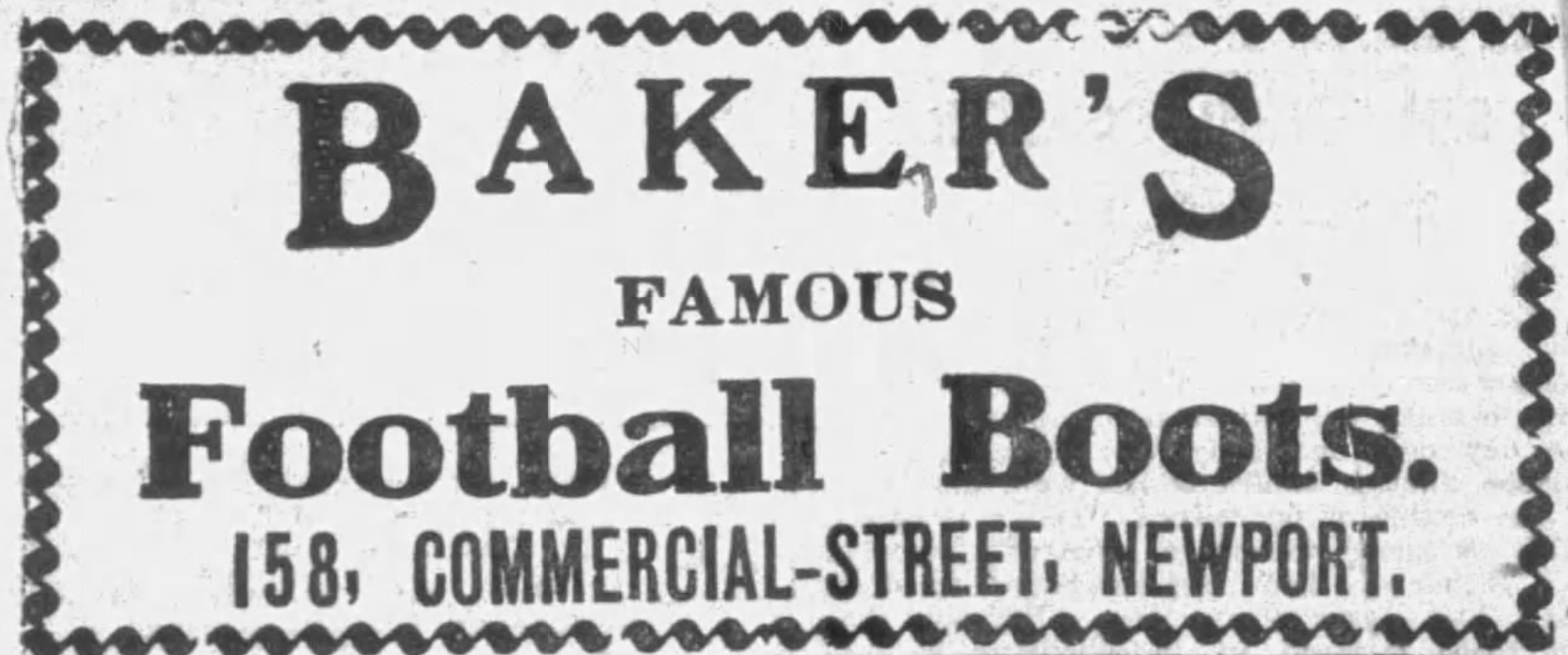
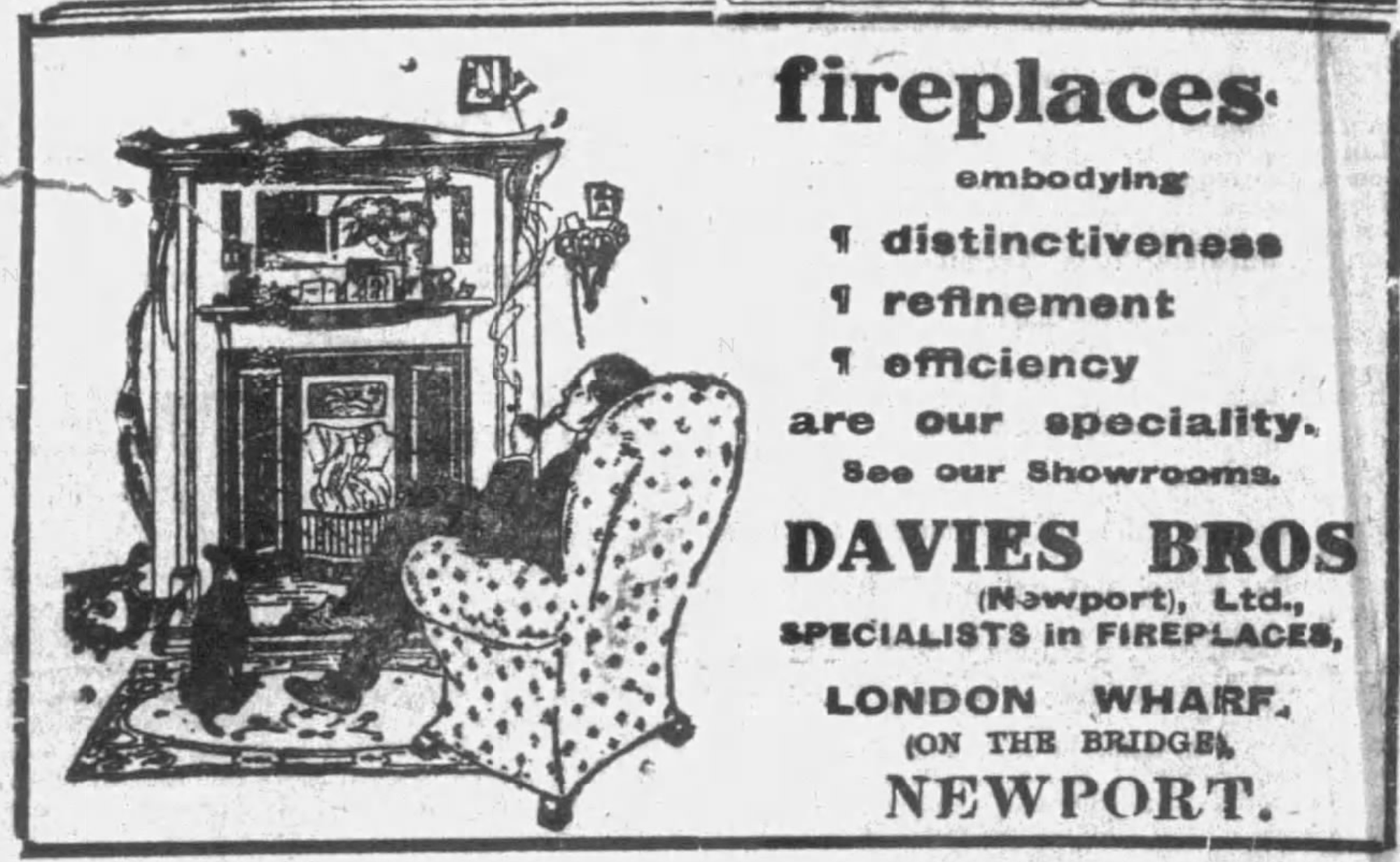
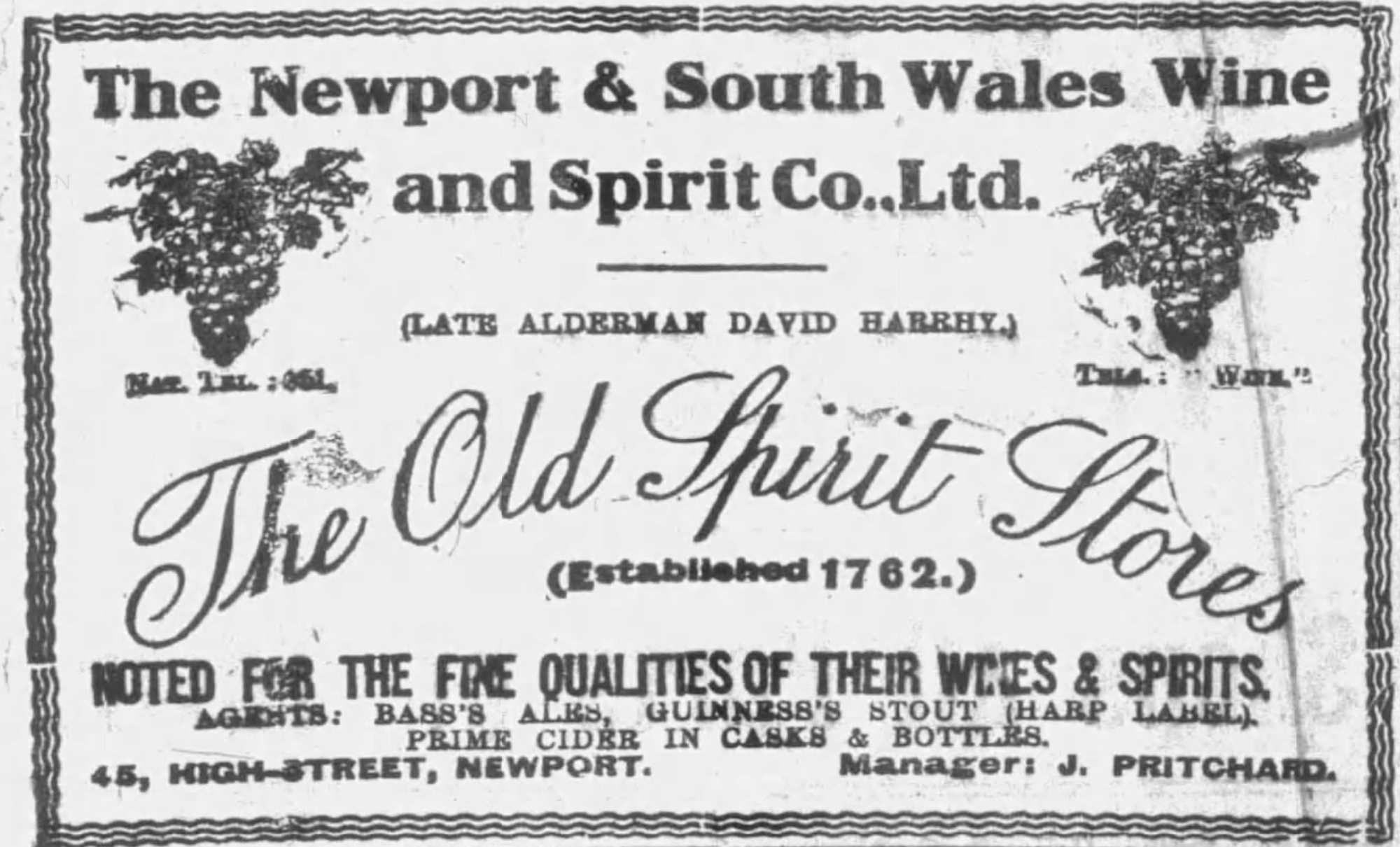
South Wales Argus, 8th November, 1913 (Subscription Required)
Alarming Fire at Baneswell
Between three and four a.m. on Wednesday a fire was discovered in the premises occupied by Mr. Watkins, 2 and 3, Queen's Buildings, Baneswell. The premises are used us a commercial hotel and dining-rooms, and form part of a block of buildings in the main thoroughfare leading to Bailey-street, West-street, and Blewitt-street.
The fire is believed to have originated in the first floor of No. 2, and the interior of that portion of the premises is almost totally destroyed. The neighbour next door (Mr. Welsteed) had the first intimation of the fire and gave the alarm. A message was sent to the Town-hall Police Station, and the hose and reel were put in requisition. The inmates were aroused as quickly as possible. Besides Mr. Watkins, his wife, children, and servants, there were several lodgers in the house. The two reels and hose kept at the Town-hall were got into use as the fire increased, and lastly a steam-engine was obtained.
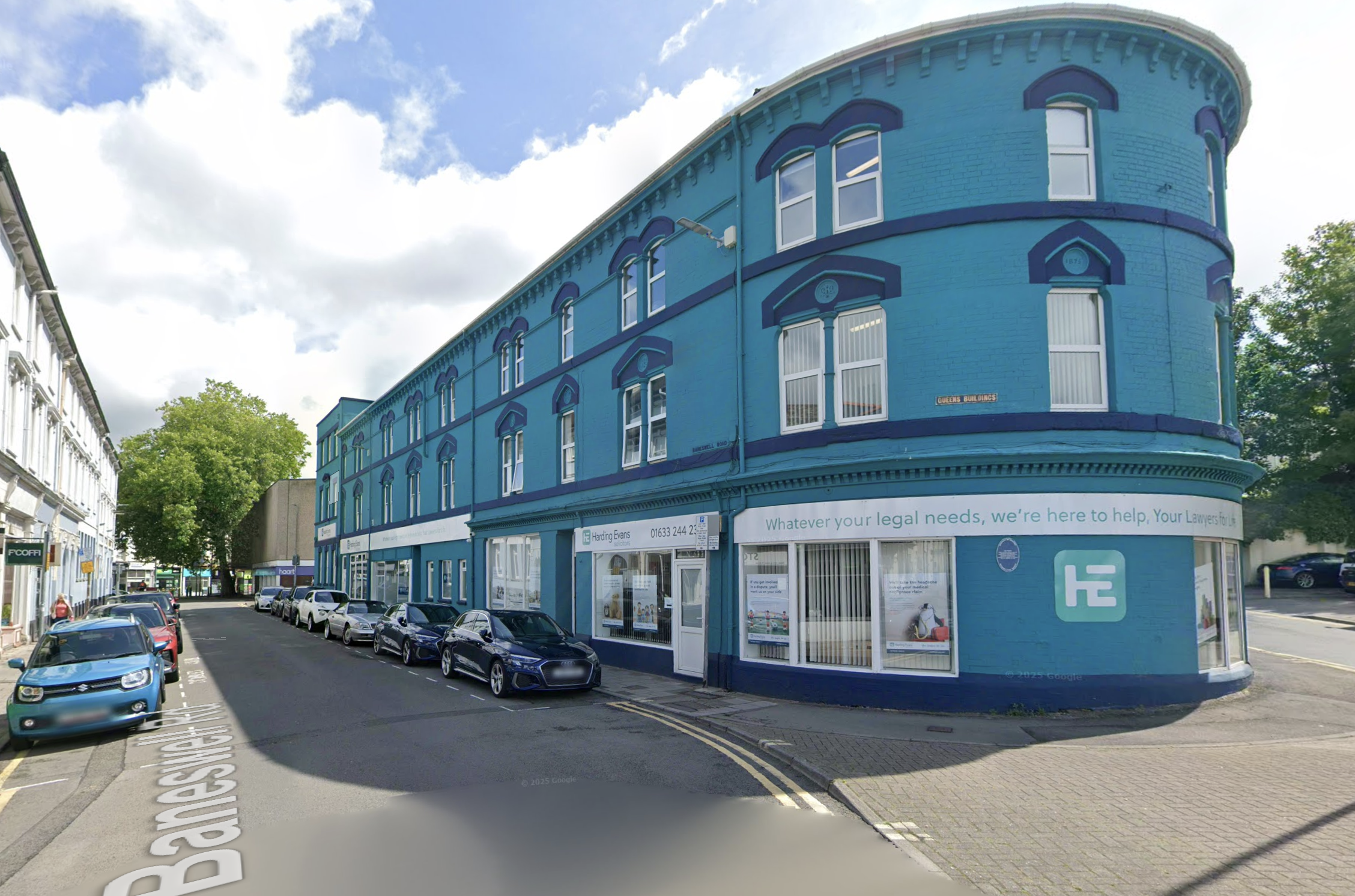
A good deal of difficulty seems to have been experienced in attacking the fire back and front, and, in the absence of ladders, the fire escape was brought to give the men access to the roof of the building. At No. 1 are situated the offices of the Evening Telegram, and it was with great difficulty the fire was kept from that portion of the block. Fortunately there was no wind, or the consequences might have been serious to the occupiers of the whole block. Mr. Welsteed had to remove his horses from the back premises of his butcher's shop. It was eight o'clock before the fire was subdued.
As to its origin, the supposition is that a meeting having been held on Tuesday night in the large room of the first floor of No. 2 there had been carelessness in dealing with the fire in the room. Mr. Watkins is a great sufferer by the destruction of his property and the stoppage of his business, whilst the house itself is greatly damaged.
— Weekly Mail, 20th January, 1883
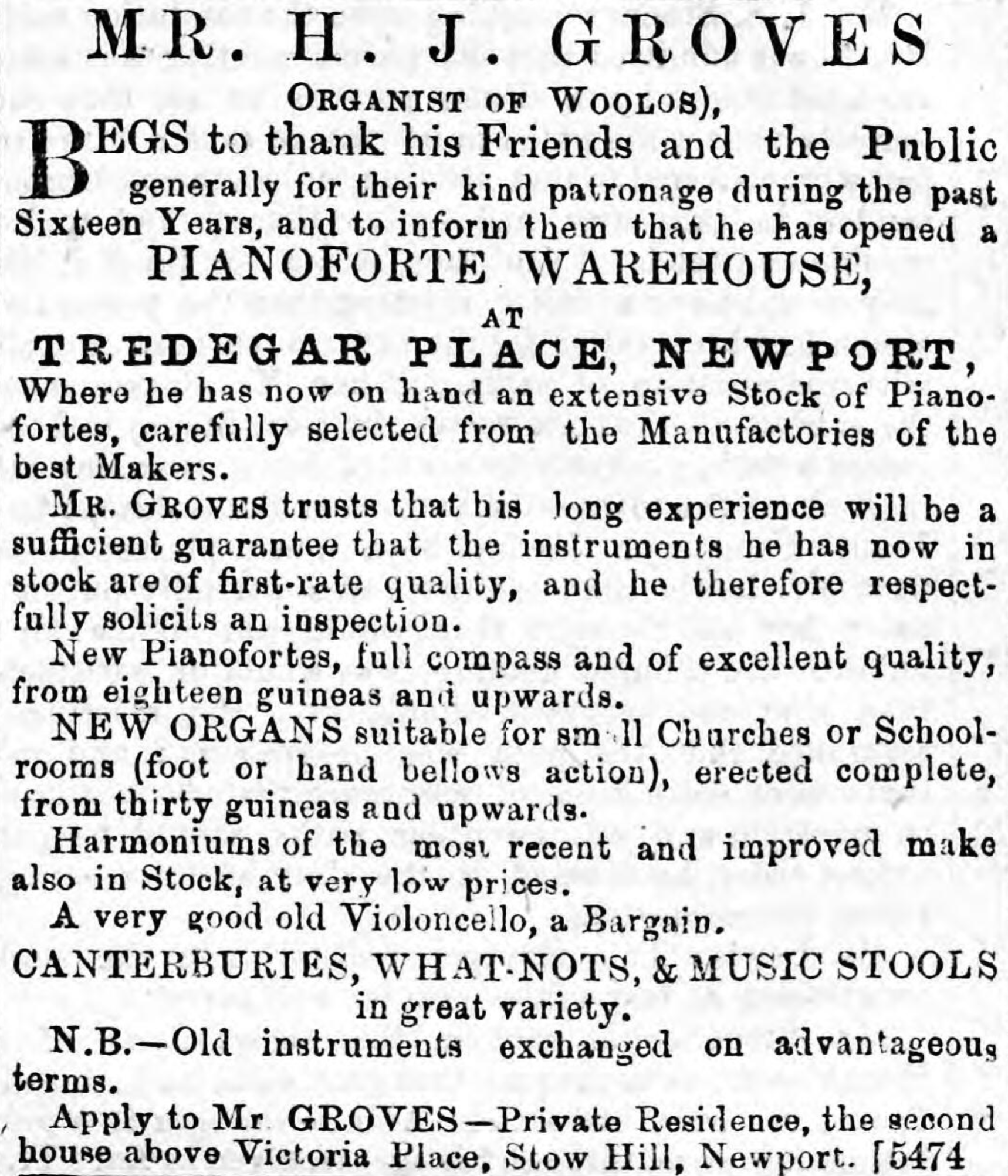
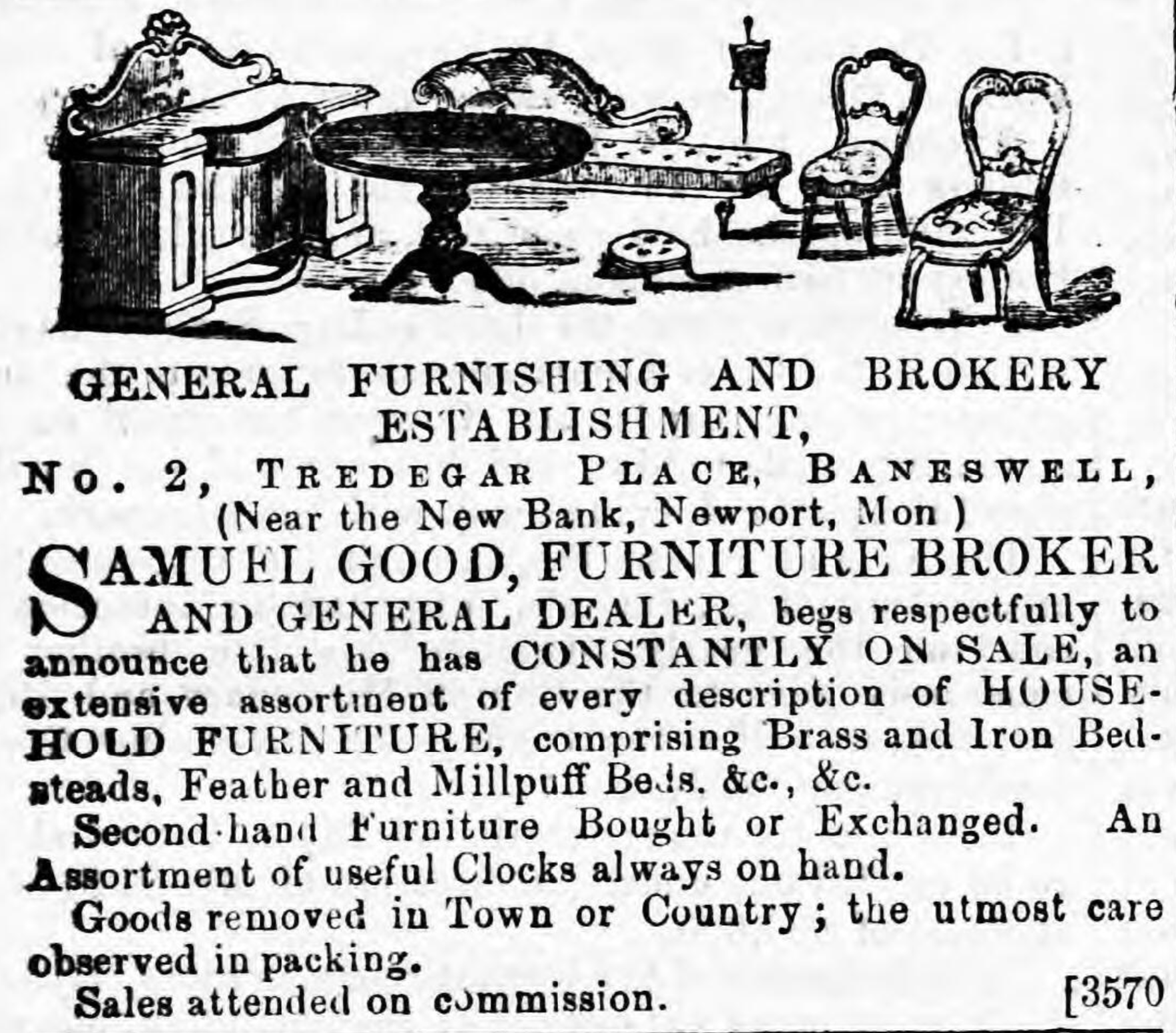
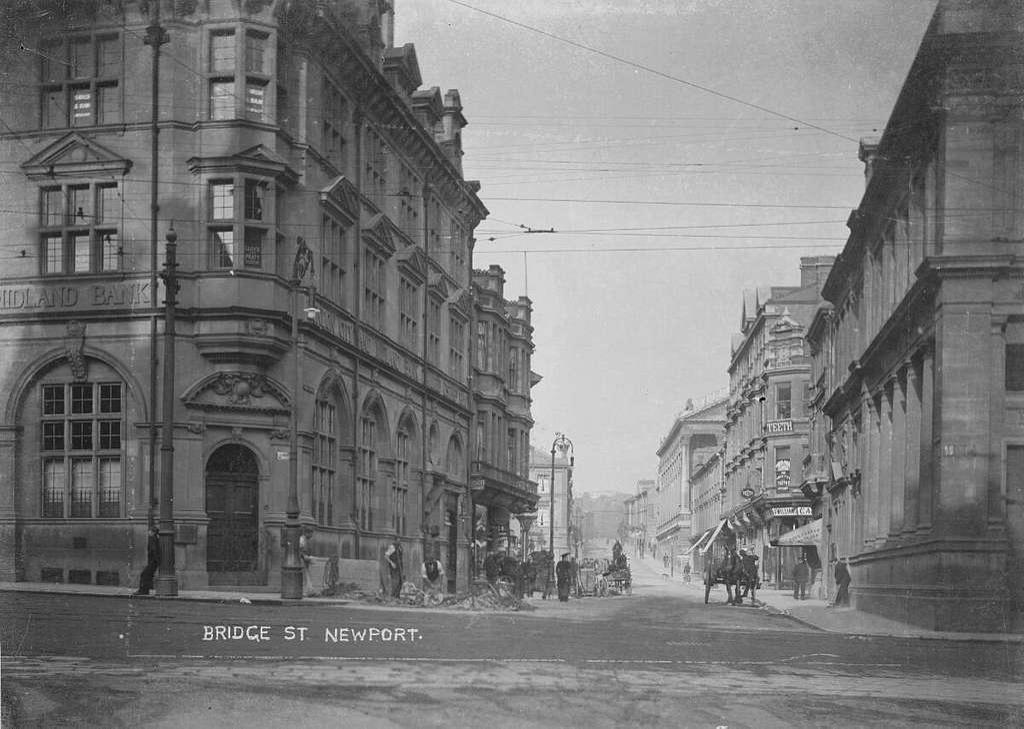
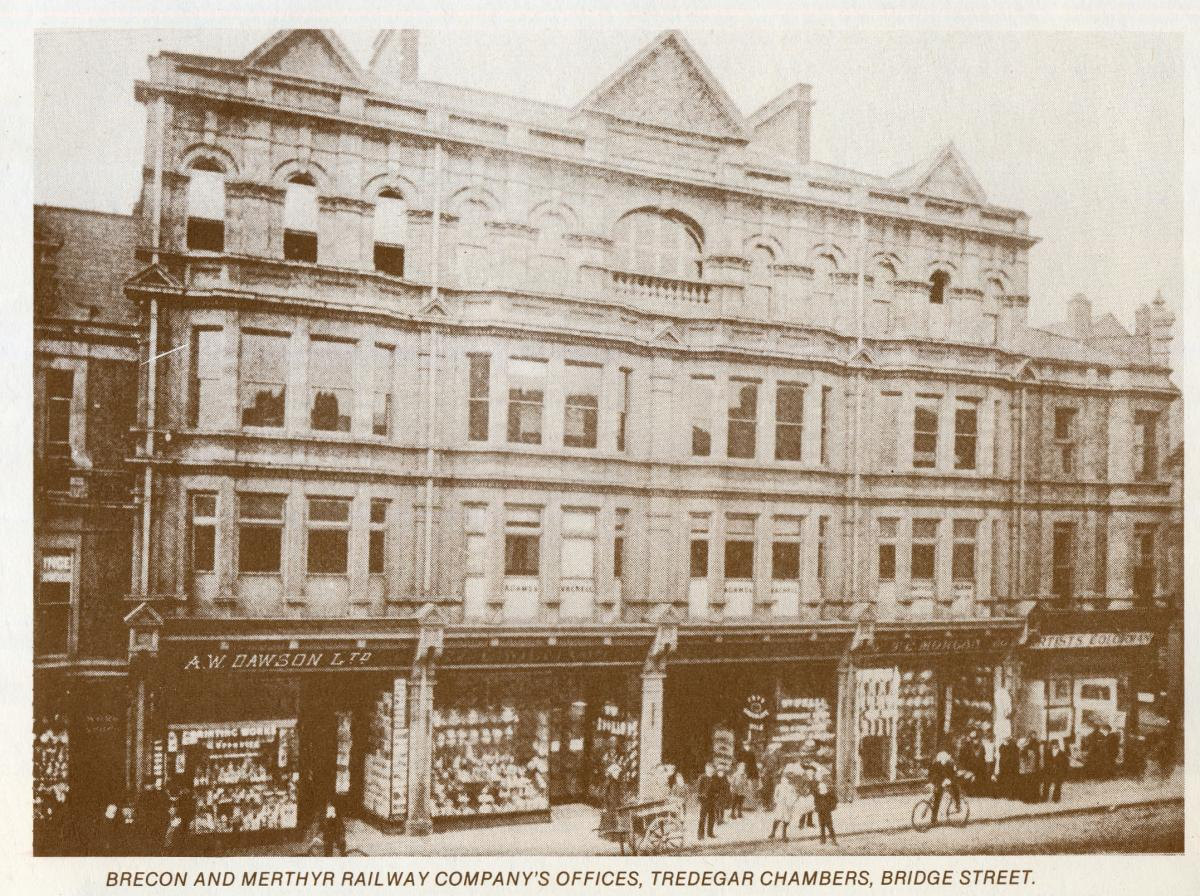
Tredegar Place was the first part of Bridge Street closest to High Street.
Very Suspicious
On Monday evening an inquest was lield before W. H. Brewer, Esq., coroner, at the Engiueers' Arms, Baneswell, on the body of the child found in the South Wales Railway tunnel on the 11th inst. From the doctor's evidence it appeared that the child was fully developed, the organs and brain perfectly healthy, and had lived some two or three hours. There was no mark of violence sufficient to cause death, which he believed resulted from a want of proper attention.
The general belief of the jury was that the child had been thrown out of a passing train, but the coroner said he did not believe any such thing; and the mother, he was inclined to believe, lived somewhere in the immediate neighbourhood. The jury returned an open verdict.
— Pontypool Free Press and Herald of the Hills, 23rd November, 1867
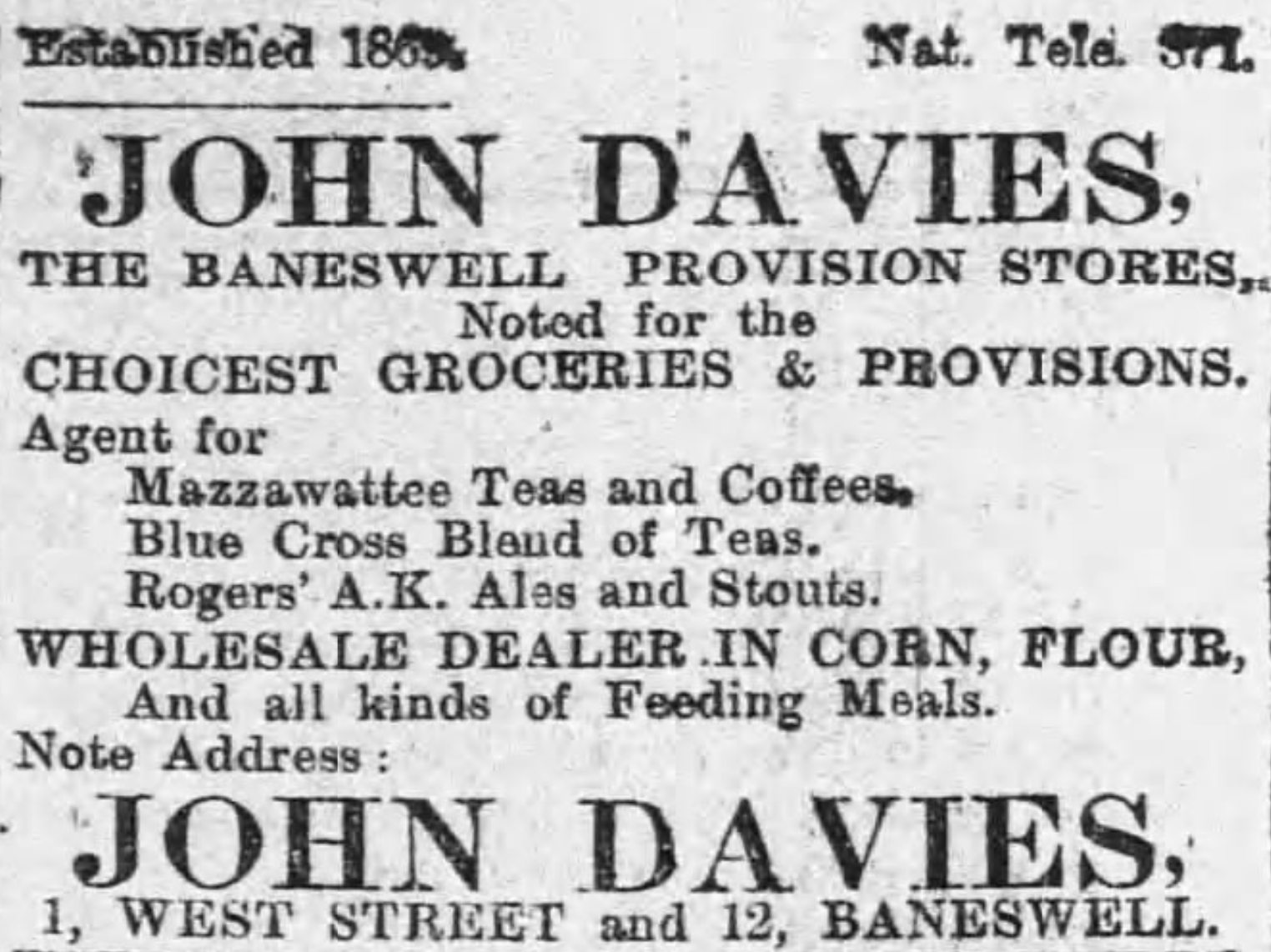
Extension of the Boundary
Mr.Toogood remarked that at a previous meeting of the Board something had been said about extending the borough. He did not know what process was necessary to effect that; but he thought the matter should receive attention. The inhabitants of Baneswell and Maindee participated in the benefits of the town of Newport for which the ratepayers of the town paid. It seemed to him high time that those districts should, if possible, be brought within the borough.
— Monmouthshire Merlin, 15th February, 1862
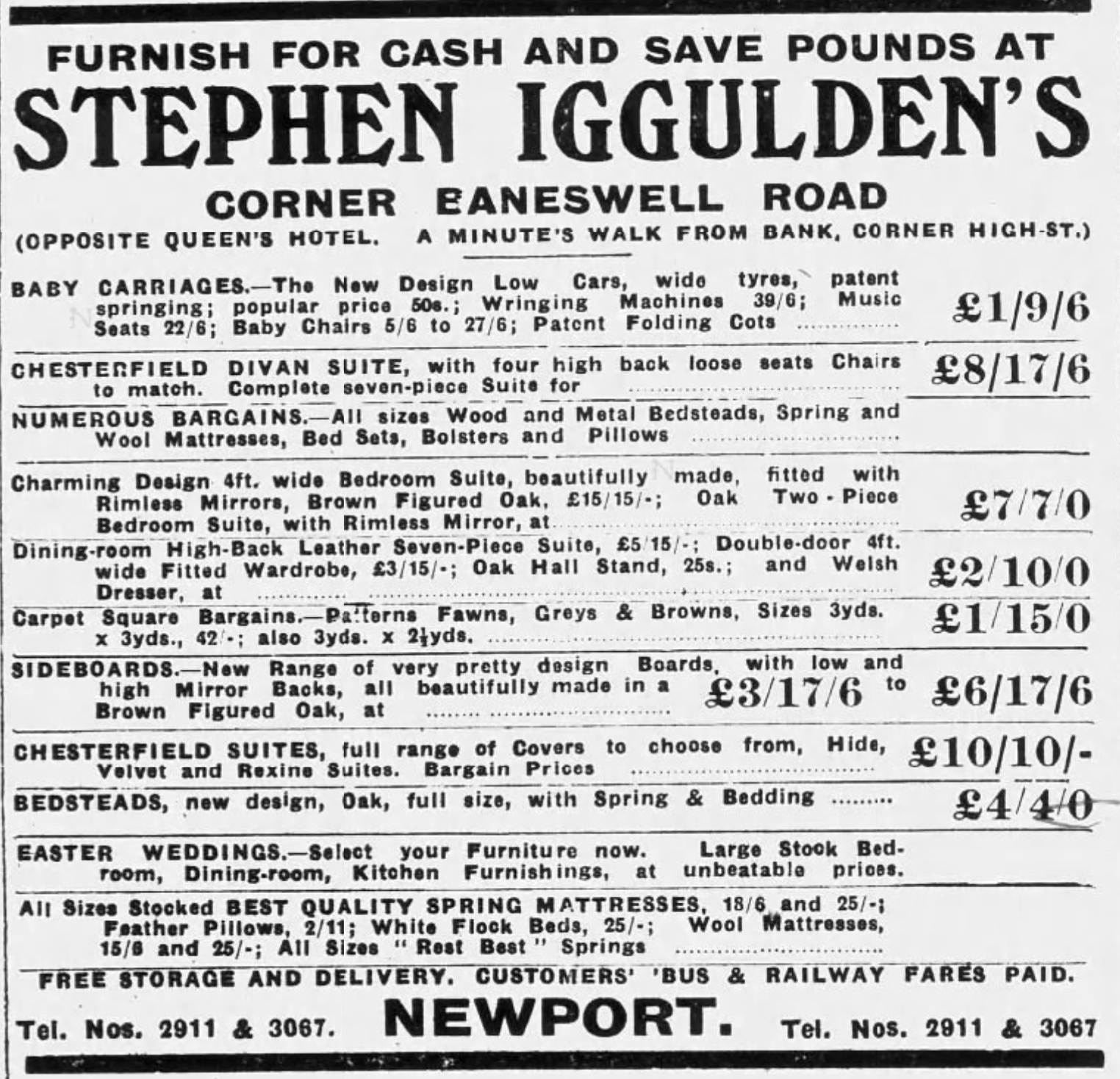

A Lively Scene in Baneswell
Thomas Dallimore, a powerful-looking young fellow, stepped into the defendants' box at the Newport Police-court to-day to answer a charge of assaulting P.C. Hamer. The officer was on duty in Baneswell last evening when he saw three men on the corner of Graham-street carrying on a loud discussion and using unparliamentary language. The officer requested them to move on, when Dallimore, who was drunk, went across to him and used some very strong terms. When the officer hinted, at taking him into custody, he took off his hat and coat, and, rushing across the street, requested a lady who was passing to hold them while he went for the officer. The lady, of course, declined. and Dallimore, being a man of resource, took his garments and deposited them on his own door-step, and then returned and commenced operations by a right-hander in the officer's face.
Hamer closed with his assailant, and a tussle ensued, during which the officer had his thumb strained and his leg injured and his nether garments rendered useless. With the assistance of a civilian he, however, held his man and handcuffed him. The prisoner promised to go quietly to the station if released, and the officer complied with his request, when he jumped the wall on Stow-hill footway, and ran off. The officer followed over the 14-feet wall, and succeeded in recapturing him. The Court, evidently in a lenient mood, let defendant off with a 20s fine.
— South Wales Echo, 6th February, 1891
'Stealing a Live Duck'
John Love was charged with stealing a live duck, tho property of William Gwillim, Black Horse beerhouse, Baneswell, on Friday last. Two neighbours saw him steal the duck and run off with it under his coat. He was apprehended on Tuesday, and the Bench now sentenced him to six weeks' hard labour.
— Weekly Mail, 8th September, 1883
An Unwelcome Visitor
Mr William Watson, of Baneswell-road, Newport, was without the services of one of his workmen on a recent Saturday, and being rather busy kept his son at work up to 9 o'clock at night repairing boots.
Unfortunately for Mr Watson, Mr Edwards, one of the local factory inspectors, looked in just after 9 o'clock whilst the lad was still in the shop. The result was that Mr Watson stood at the defendants' in the Borough Police Court on Monday, and there listened whilst Mr Augustus Lewis quoted the Act of Parliament which provides that young people must not work in factories after eight p.m. and a boot-repairing shop is a factory within meaning of the Act.
Mr Watson added a plea of ignorance in addition to the pressure of work, but he left the Court 13s poorer than when he entered, that being the amount of the costs.
— South Wales Daily News, 28th May, 1895
Sunday Evening Amusement
Abraham Hopkins, Thomas Lewis, and George James were charged with being disorderly in Baneswell on Sunday evening. The evidence showed that the defendants were drunk, making a noise, and singing in the district, and when spoken to replied that they had as much right to sing as "Happy Tom." It was the custom on Sunday evenings for gangs of lads to parade the streets and cause much annoyance to passers-by. They were fined 5s. each.
— Weekly Mail, 14th March, 1885
A Young Woman Shot
On Saturday evening a young woman named Jane Brooks, living at No. 10, Jones-street, Baneswell, was standing near a window in the back part of the house, when a report of fire- arms was heard, and the young woman received several shots and some pieces of the splintered window pane in her face. Assistance was speedily procured, and Miss Brooks is now in no danger.
Information was given of the circumstance to the police, and a young man named William Hopkin, who is suspscted of having fired the shots, has disappeared. The shot holes in the window are no less than 39 in number, and the wall farthest from the window is specked all over with small indentations. Exaggerated rumours have prevailed in the town, investing the affair with the horrors of a 'Townley'* case but it appears that the young man and woman were by no means intimate acquaintances, and there is not the least ground for supposing that it was not the purest accident, and this view of the case is strengthened by the statement that Hopkins was shooting pigeons at the time.
At the borough police court on Wednesday, Wm. Hopkins was charged with shooting Jane Brooks, a tidily-dressed young woman, whose forehead showed traces of several small wounds. The following was the complainant's evidence-:
I live in Jones-street, Baneswell. I was standing by the window on Saturday between three and four o'clock in a stooping position, when I heard a report of something, and rose suddenly and several pieces of glass out of the window went into my bead. I fell down with fright and remember nothing more. There are 38 shot holes in the window. My face is not much injured, but my forehead is. I have not been well since. I am subject to palpitation of the heart, and the shock has been very great.
The defendant said the girl in his house had given him the pistol to fire off, as it was loaded, and he fired it at the garden rails, but did not think any harm would follow. Witness said the pistol bad been fired off once in their yard before, which defendant denied. Witness said sho did not wish to press the charge, as defendant's father was suffering much trouble, his wife having lately died and his daughter was lying ill in the house of a fever. Defendant said he had been ill ever since the accident, having been so much frightened. The defendant was fined 5s., and ordered to repair the damage.
— The Cardiff Times, 19th February, 1864
Fowl Robbery
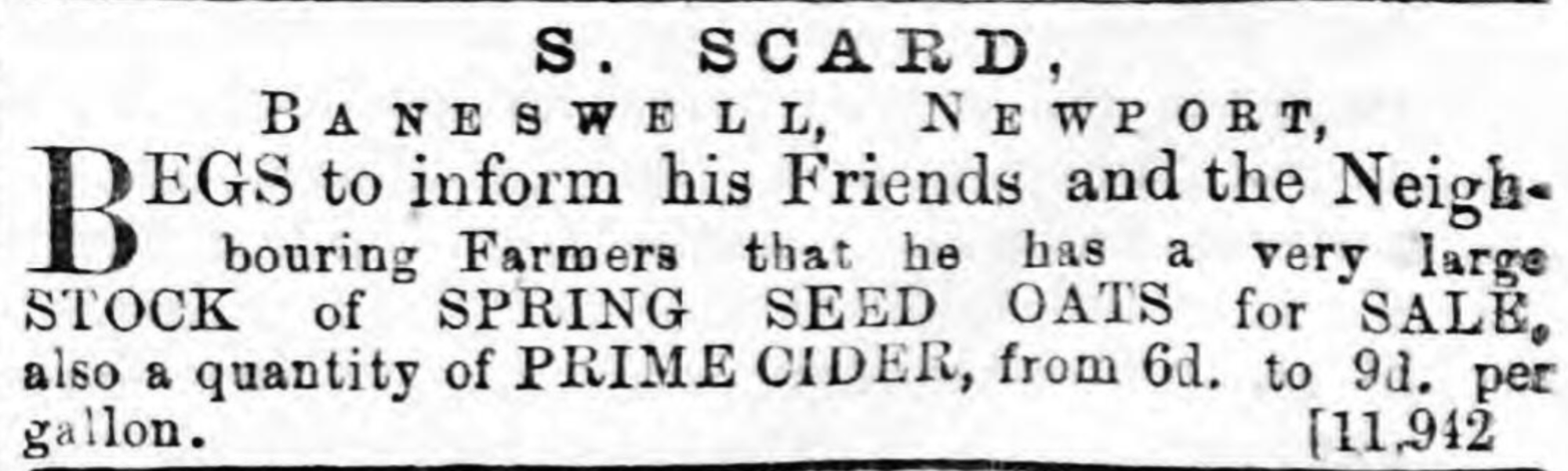
Early on Thursday morning, twenty-seven fowls and four ducks were stolen from the stable of Mr. Simeon Scard, at Bane's Well.
— Monmouthshire Merlin, 25th February, 1856
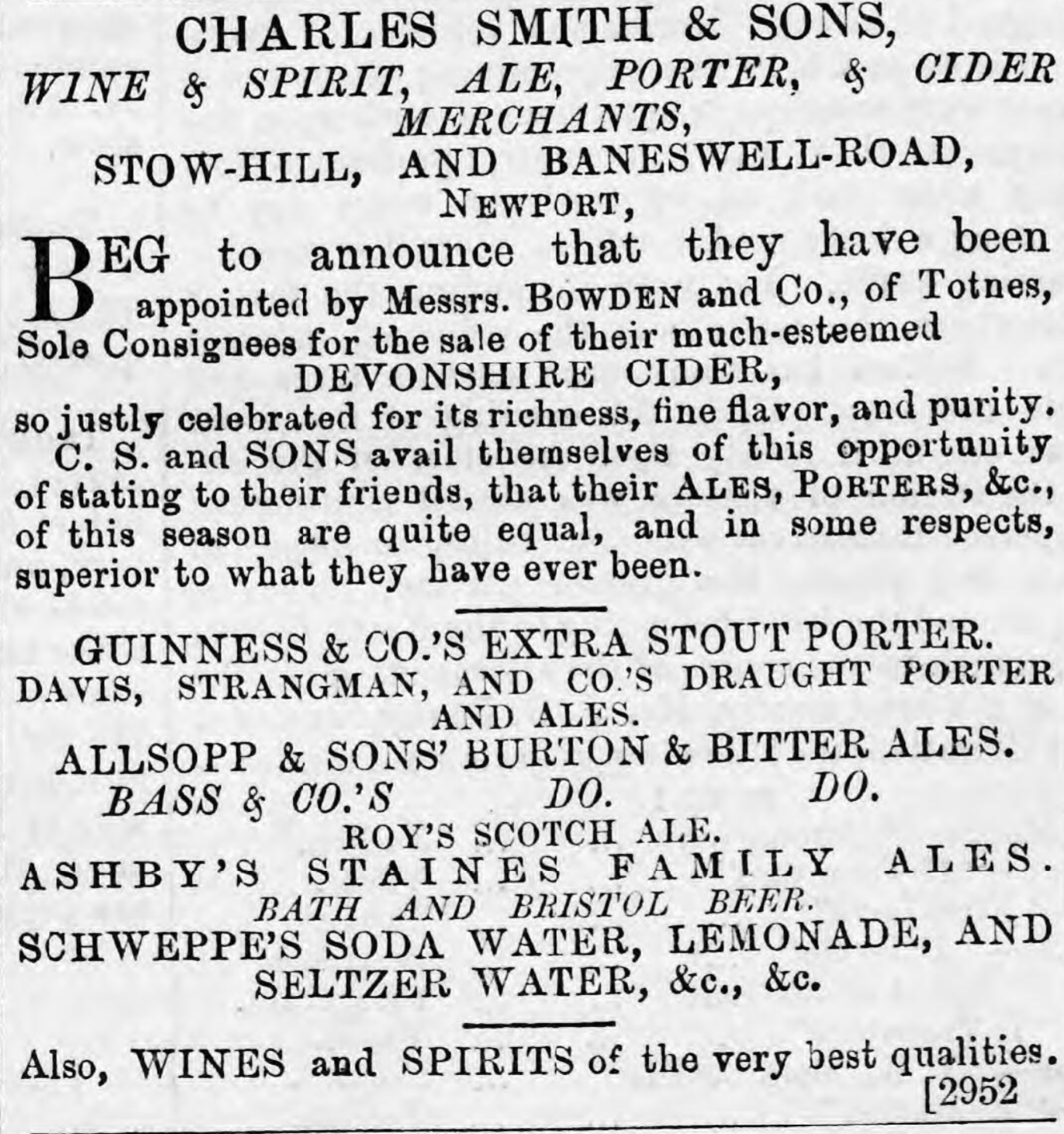
The Centre of Newport
The additional architectural features which are now being given to the end of High-street by the re-erection of National and Provincial Bank Company's premises and the provision of a stately red-brick dwelling for the Gloucester Bank, will probably receive yet further development when the Capital and Counties Bank, who are negotiating the purchase of a block at the bottom of Stow-hill and Baneswell-road, shall have completed their arrangements.
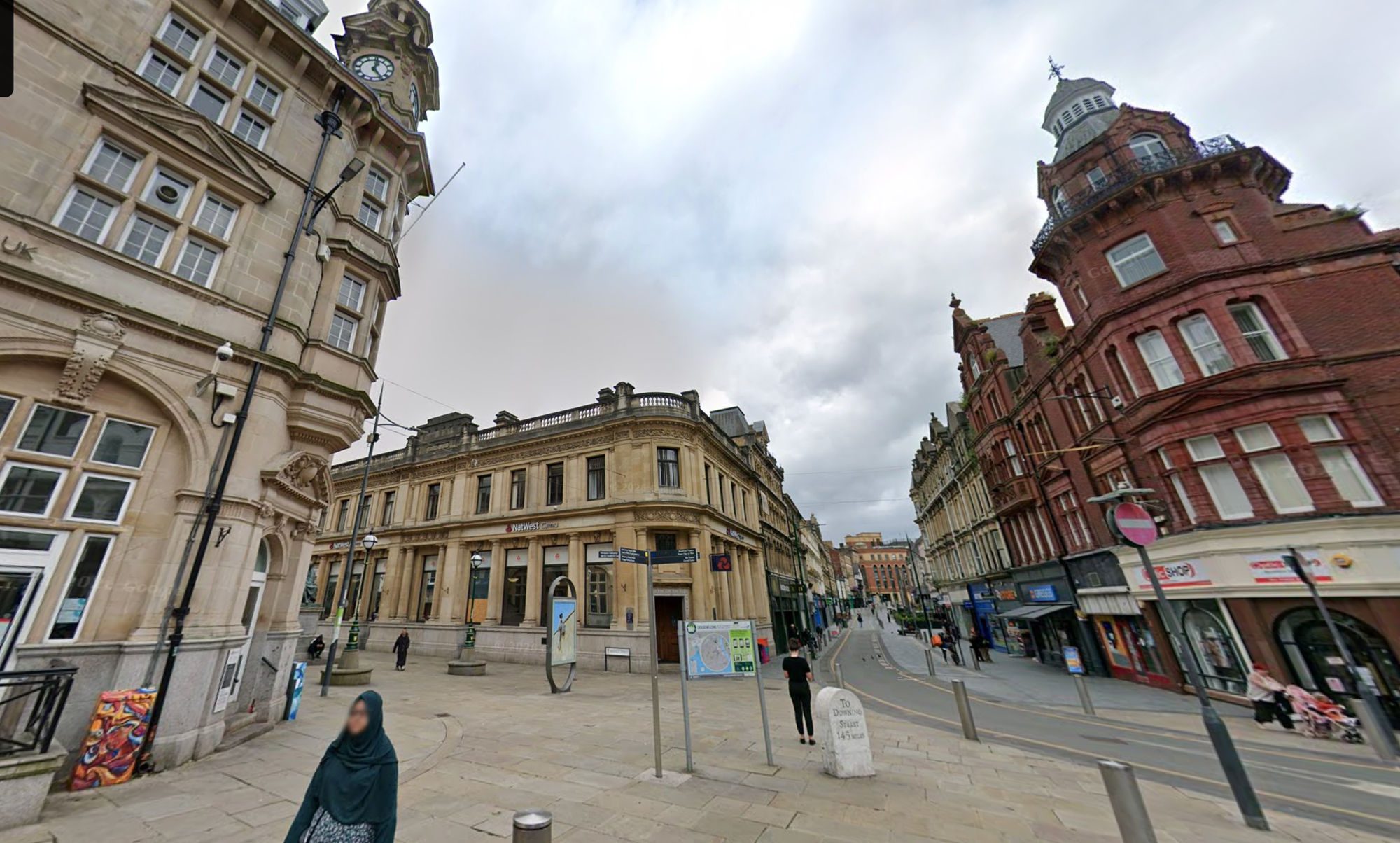
The past year or two has witnessed an explosion of banks, the Bank of Wales being followed by the Gloucester Bank, Lloyd's Bank, and the Capital and Counties Bank.
— South Wales Daily News, 6th November, 1890
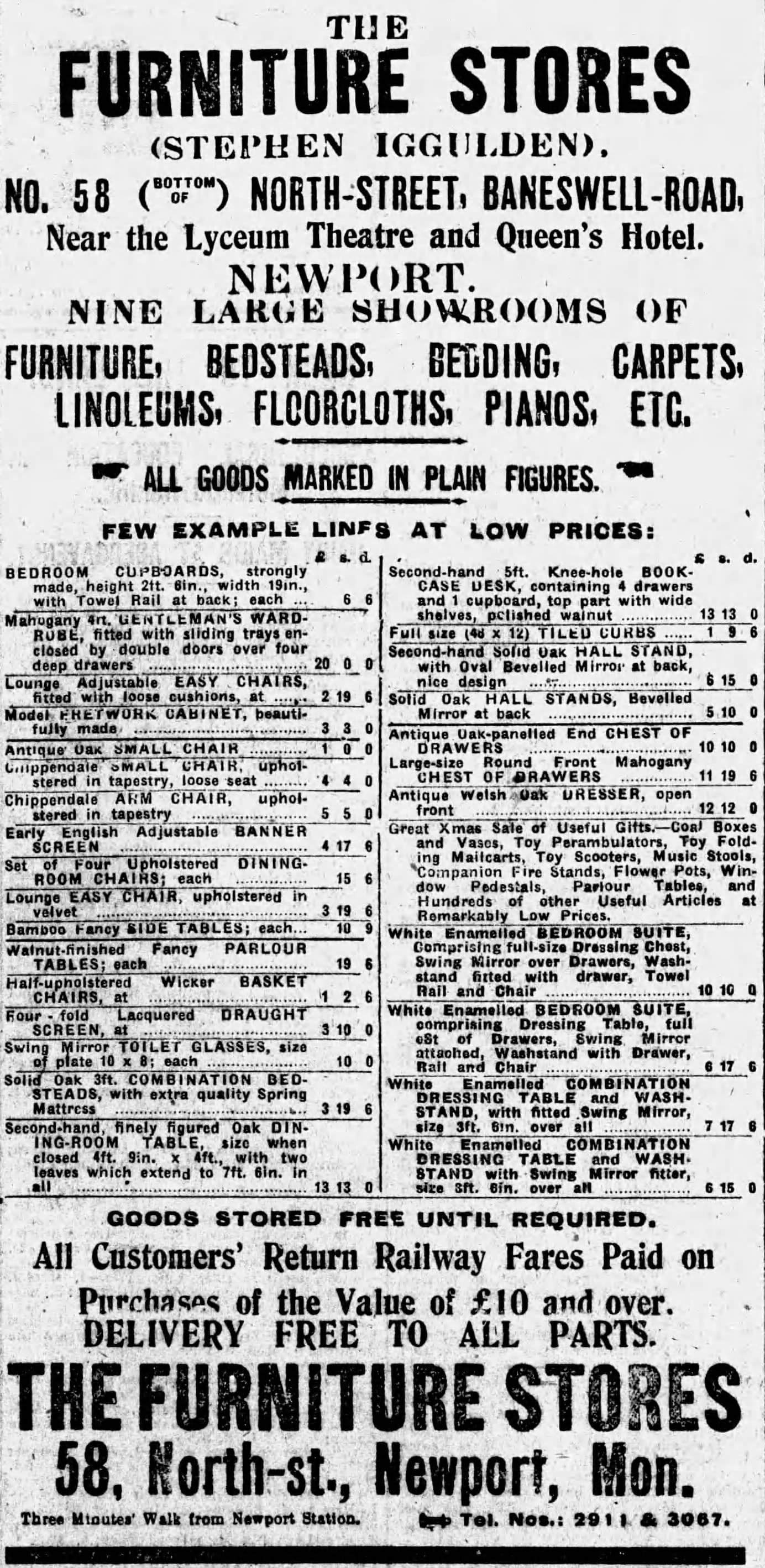
'Public Improvements in Baneswell'
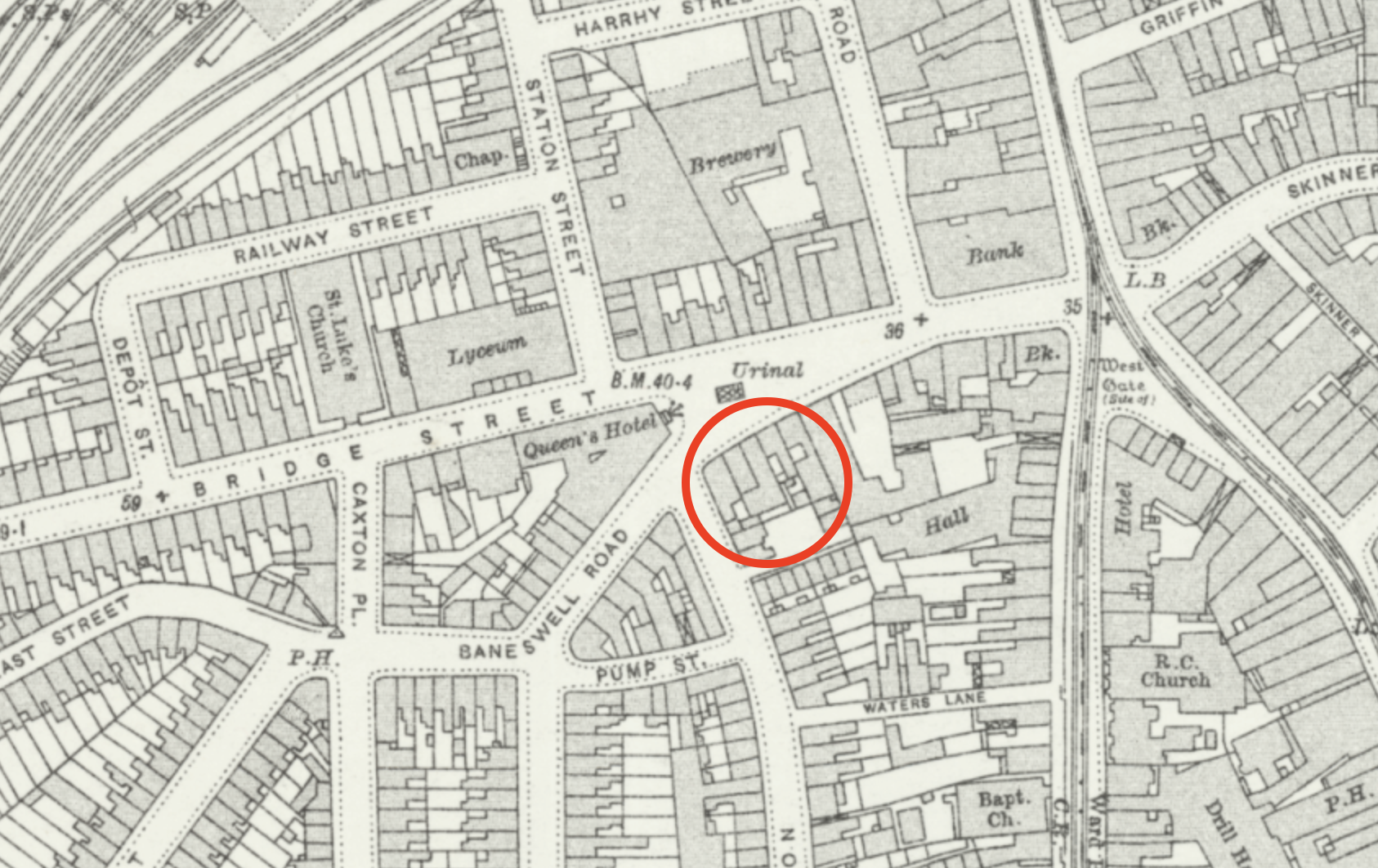
Baneswell-square, Newport, which contains about a dozen of the oldest and smallest cottages in the town, has had notice to quit. Messrs. Llewellyn and Moore, solicitors, who purchased the property, have decided to build five good-sized shops and residences, fronting Baneswell-road from the corner of North-street towards High-street, and the square in the centre of the town, which could hardly be clashed as picturesque, will very soon be known no more.
— Weekly Mail, 11th July, 1891
Closing of Waters's Lane
Alderman Davis explained that now the leases of all the houses in Waters's-lane had fallen in, the question arose as to what had best be done in regard to that thoroughfare. Father Cavalli wished to see it closed, as it was one of the greatest nuisances they had near tho Roman Catholic chapel, and the thoroughfare was no convenience to them at all. Many other applications had also been made to him to have it shut up. If the Board thought it desirable that it should be stopped up, there was no objection on Lord Tredegar's part to doing so, as for the future there would be no houses there.
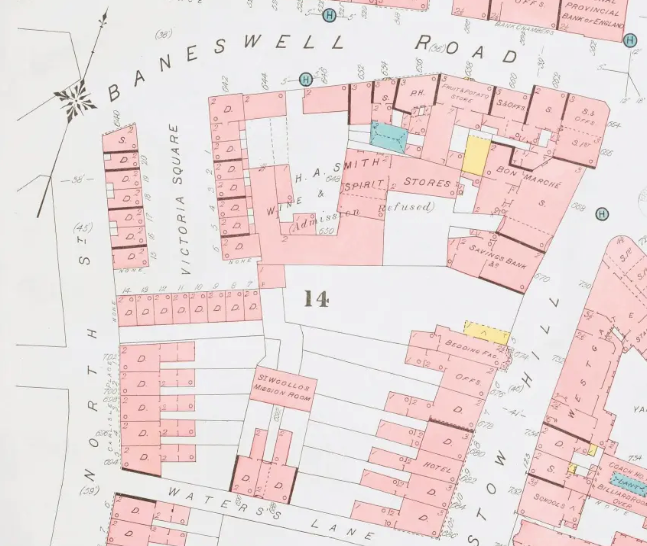
It was proposed to carry North-street straight down to the Queen's hotel, making it a wide thoroughfare. The whole of the houses opposite the Queen's, as far as the Baneswell pump, would be pulled down, and the ground raised to the level of Mr. Bolt's houses on the opposite side. There was one little bit of the Black Horse that would be required to make the street complete, and if the town thought it worth while to secure that they must arrange with Mr. Howard for the purchase of it. His lease would be out in two years, and he did not think. there would be any difficulty in dealing with him. If the Board desired to see Waters's-lane shut up they had only to say so, and it would be done.
Passengers who might now be in the habit of using that thoroughfare would only have to go on a little further to Havelock-street, so that they would be very little inconvenienced. It was thought best to hear the Surveyor's report before proceeding any further, because special reference was made in it to this subject.
SURVEYORS REPORT
"GENTLEMEN, Baneswell Improvement.—The cottages in Waters's-lane and Wedlake's-court, and houses on the south side of Baneswell-road, opposite Bolton-terrace, having reverted to Lord Tredegar, on the 1st inst., it is proposed to take down all the old buildings, and re-lease the ground for the erection of more modern premises. A plan is submitted herewith, as directed by the Public Works Committee, showing the proposed alterations, to the greater portion of which your consent will be required. North-street is proposed to be continued as a street, forty feet wide, down to Baneswell-road. The south side of Baneswell-road, between the new street and the pump, would be re-erected on a line parallel to, level with, and 40 feet from Bolton-terrace and this would involve the necessity of raising the level of Baneswell-road. The Black Horse Inn belonging to Mr. Thomas Howard, at the corner of Victoria-square and Baneswell-road, ought then to be re-constructed on the new line, and might be made to bide Victoria-square.
Waters's-lane might either be closed altogether, or left as a paved footway 10 feet wide, at your option and that of the public; but the unanimous desire of residents in the neighbourhood appears to be in favour of shutting it up altogether. The high footpath on Stow-hill might then be improved as to level, and paved, and a new slope and railing for foot-passengers might be substituted for the present awkward slope. The narrow lane or passage leading from Baneswell-road to North-street would be unnecessary when the new street is opened, and might probably also be shut up.
Your approval and co-operation will be necessary to enable this passage and Waters's-lane to be closed and I believe that Lord Tredegar's advisers desire that the cost of purchasing the portion of the Black Horse Inn, required for the widening and improvement of Baneswell-road should be borne by the public, as well as the cost of the new slope on Stow-hill. The effect of shutting up Waters's- lane would be that any person requiring to pass from the lower end of Stow-hill to North-street or Baneswell, or vice versa, would have to go round by the new road, or along Baneswell-road, as improved.
But, on the other hand, the class of property at the lower part of Baneswell would be much improved, and the miserable cottages in Waters's-lane and Wedlake's-court, which have been for many years a constant source of annoyance to the respectable residents, and of danger to the public health, would he destroyed.
I am gentlemen, your obedient servant,
"CONYERS KIRBY."
Alderman Davis said 30 cottages would be done away with. Mr. Stone raised an objection to the principle of closing up old thoroughfares, and strongly advised the Council thoroughly to weigh the whole matter before they consented to the closing of Waters's-lane. Mr. Graham thought the subject a very proper one to be referred to the consideration of the Works Committee, because an addition to the objection raised by Mr. Stone, they ought also to consider what was to Mr. Stone, they ought also to consider what was to become of the inhabitants of the 32 cottages that are coming down.
Alderman Davis said they were all gone.
Mr. Graham said they had seen it reported by their medical officer that there was a great scarcity of accommodation for the poorer working classes, and a large amount of over-crowding in consequence, and he should like to hear that the Friars' Fields Committee had devised some scheme for providing suitable dwellings for the labouring poor. (Hear, hear.)
He was not prepared to express an opinion upon that point to-day, but he would move that the question before thorn be referred to the Works Committee. Mr. Fothergill seconded the proposition. This was the first time the subject had been before them, and he thought they should have an opportunity of examining the plans and fully considering the proposal, so that at an early day they might be in a position to give their vote and opinion upon it.
Alderman Townsend did not know what they were going to win by delay. Long experience had shown him what an inconvenience and nuisance this thoroughfare was, and it seemed to him that so grand an improvement was proposed, that he, for one, would not delay it a moment. Alderman Davis said there was not the slightest objection to its being referred. Referred to the Works Committee.
— Monmouthshire Merlin, 10th May, 1872
Opening a New Coffee Palace
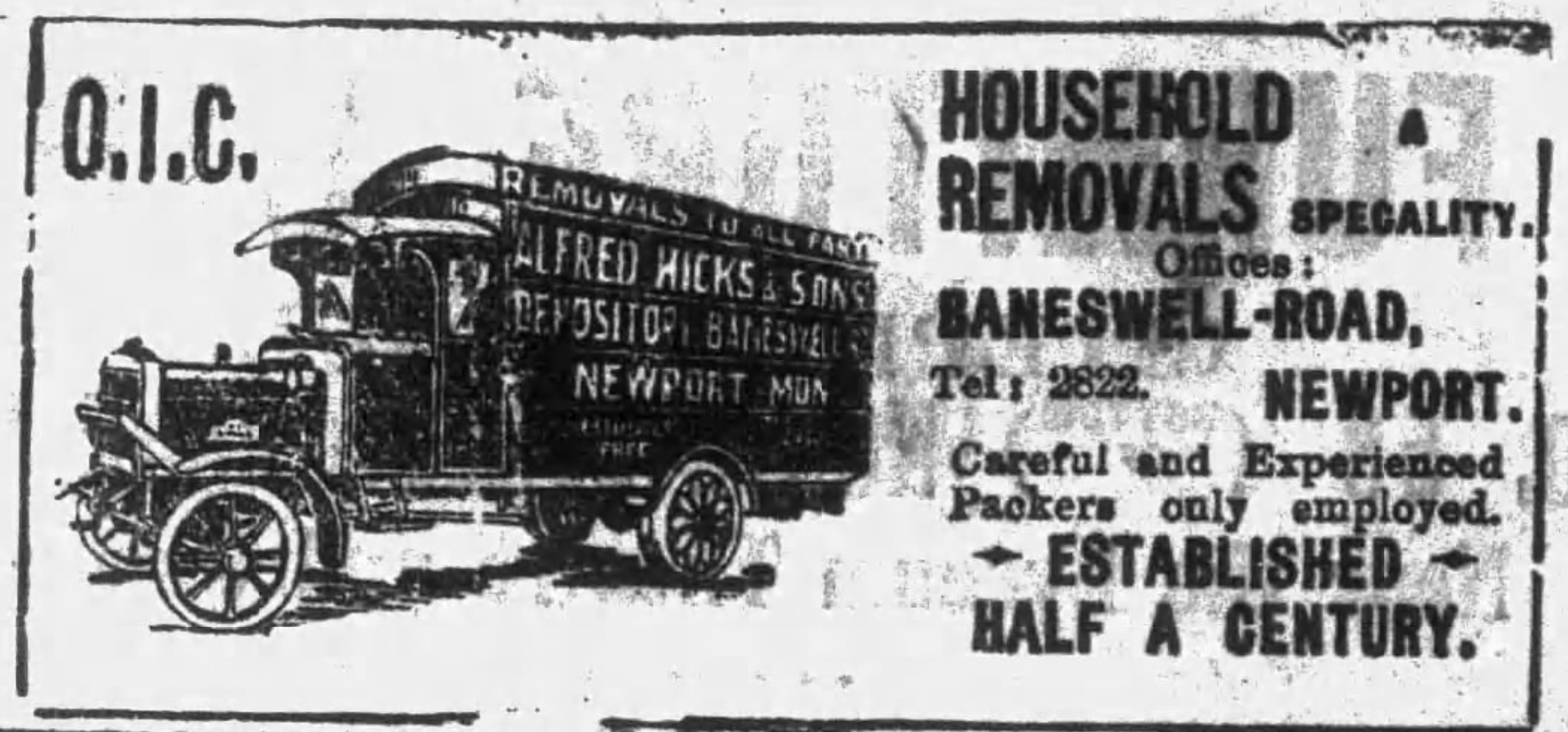
It will be seen by advertisement in another column that Dr Bernardo, of London, will attend on Thursday to open the "Coffee Palace which has been fitted up in Baneswell-road, Newport. The premises, which are somewhat extensive, have been built and fitted up under the direction of Mr W. Williams, builder, and will afford ample accommodation for a considerable number of patrons. Besides a large room, which it is intended to tit up aa a billiard room, there is also a skittle alley.
— South Wales Daily News, 24th May, 1876
'For Sale: 32 West Street (1859)'
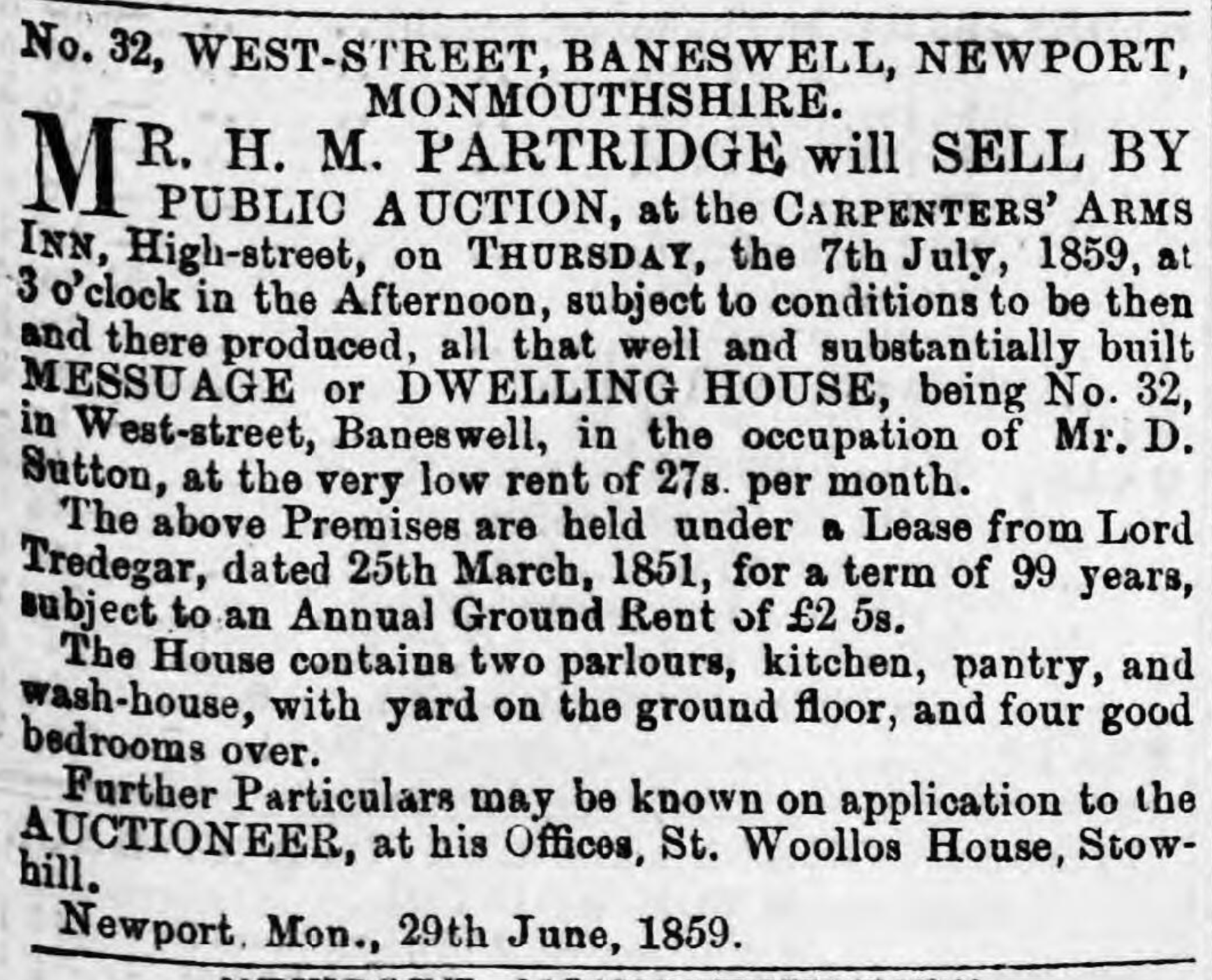
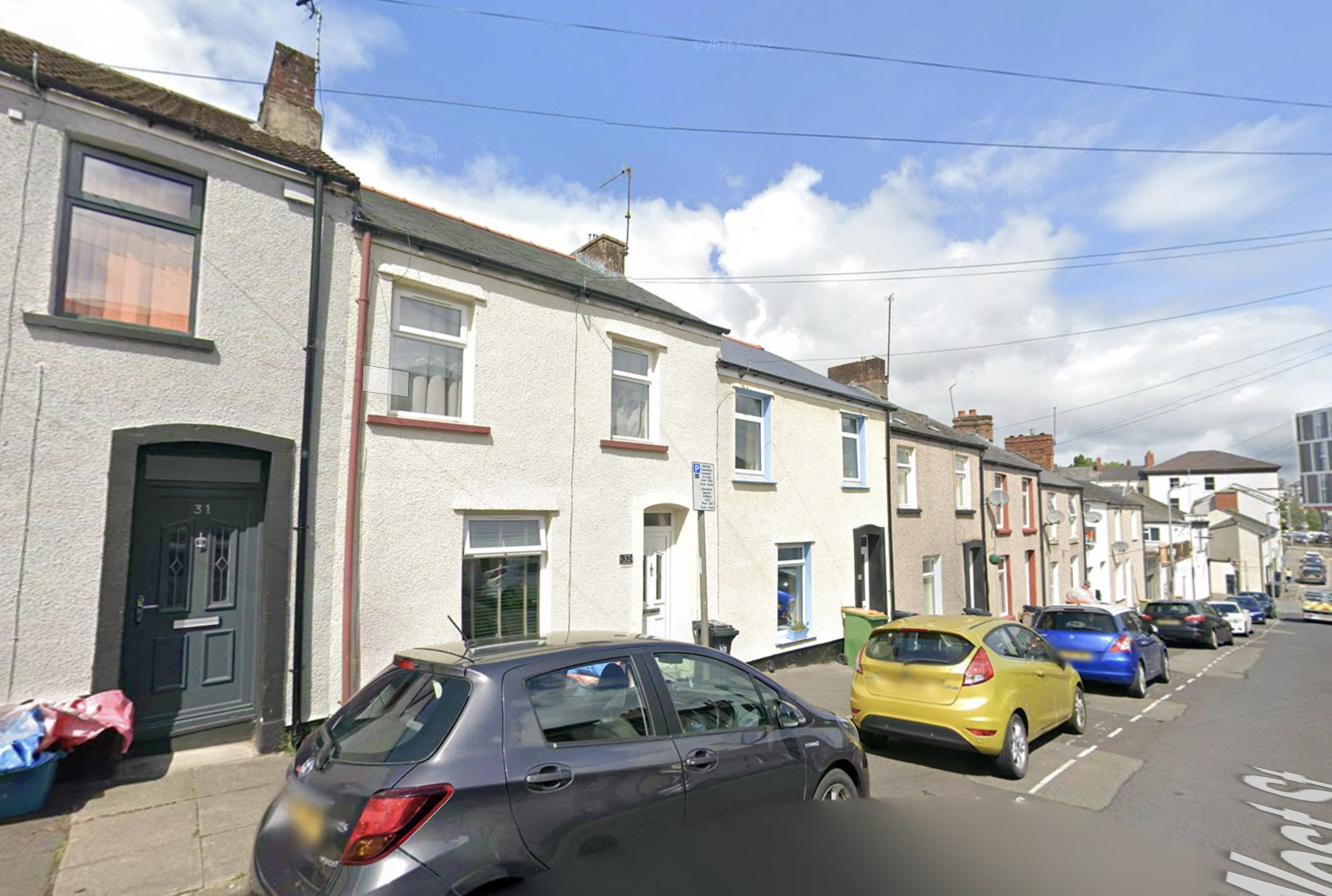
For Sale: No. 32, West Street and the house today (2nd from the left).
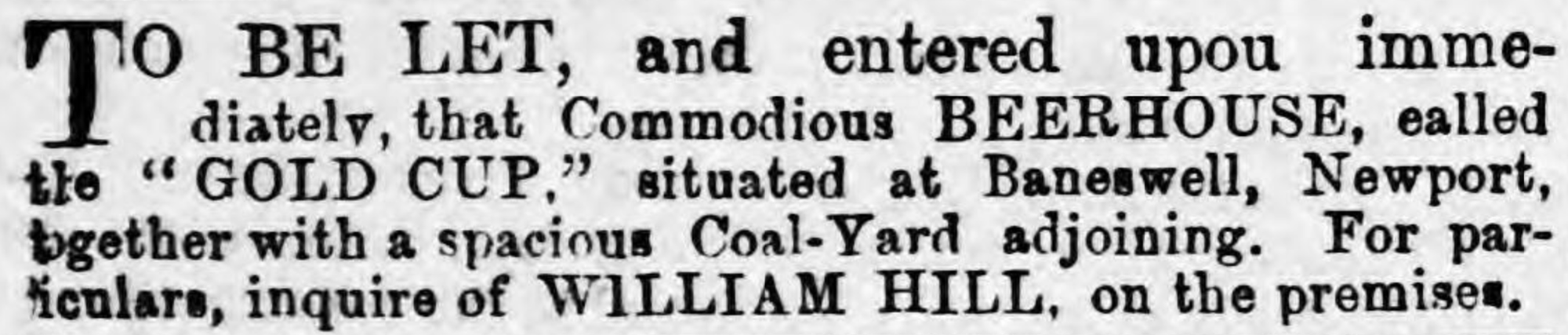
1856 Council Meeting
Mr. Simeon Scard has fixed, without permission, at his warehouse, near Bane's Well, a crane, projecting about five feet from the building, and only about seven feet above the footway.
The owner of the Black Horse beerhouse, Bane's Well-road, has called upon me to relay the pavement in front of the house, the same having been almost totally destroyed by carts passing over it.
Later in the meeting...
The paragraph in the report in reference to the crane erected by Mr. Scard, led to a somewhat lengthy discussion, some of the members of the Board thinking that every facility should be given to persons to carry on their business, and that the crane should therefore be allowed to remain, while others argued that as permission to erect cranes had been refused to others, the Board could not consistently give its sanction in the present instance. In the course of the observations which were made, the Surveyor stated that the crane originally was placed at the top of the house, and no complaint was made respecting it. It was ultimately agreed that notice should be given to remove the crane.
The pavement in front of the Black Horse, Bane's Well, was ordered to be repaired.
— Monmouthshire Merlin, 20th September, 1856
A month later at another council meeting, Mr Scard had a reprieve and the pavement was relaid.
The committee appointed to inspect the crane erected by Mr. Simeon Scard, agreed to recommend that it be allowed to remain on sufferance for taking in and out cider casks only, provided that Mr. Soard alter the pavement at the corner of his warehouse, by raising it and putting steps satisfactory to the surveyor.
The pavement at the Black Horse, Baneswell-road, have been relaid with extra- thick stones, in accordance with your orders. The pavements, generally, ia the prin- cipal streets, require extensive repairs.
— Monmouthshire Merlin, 18th October, 1856


Member discussion