

Welcome to another issue of The Newport Cornucopia where we dig through the newspapers archives for interesting news articles and adverts. All articles are posted verbatim and most headlines are original (headlines in quotes are my own).

Research Drop-in Day
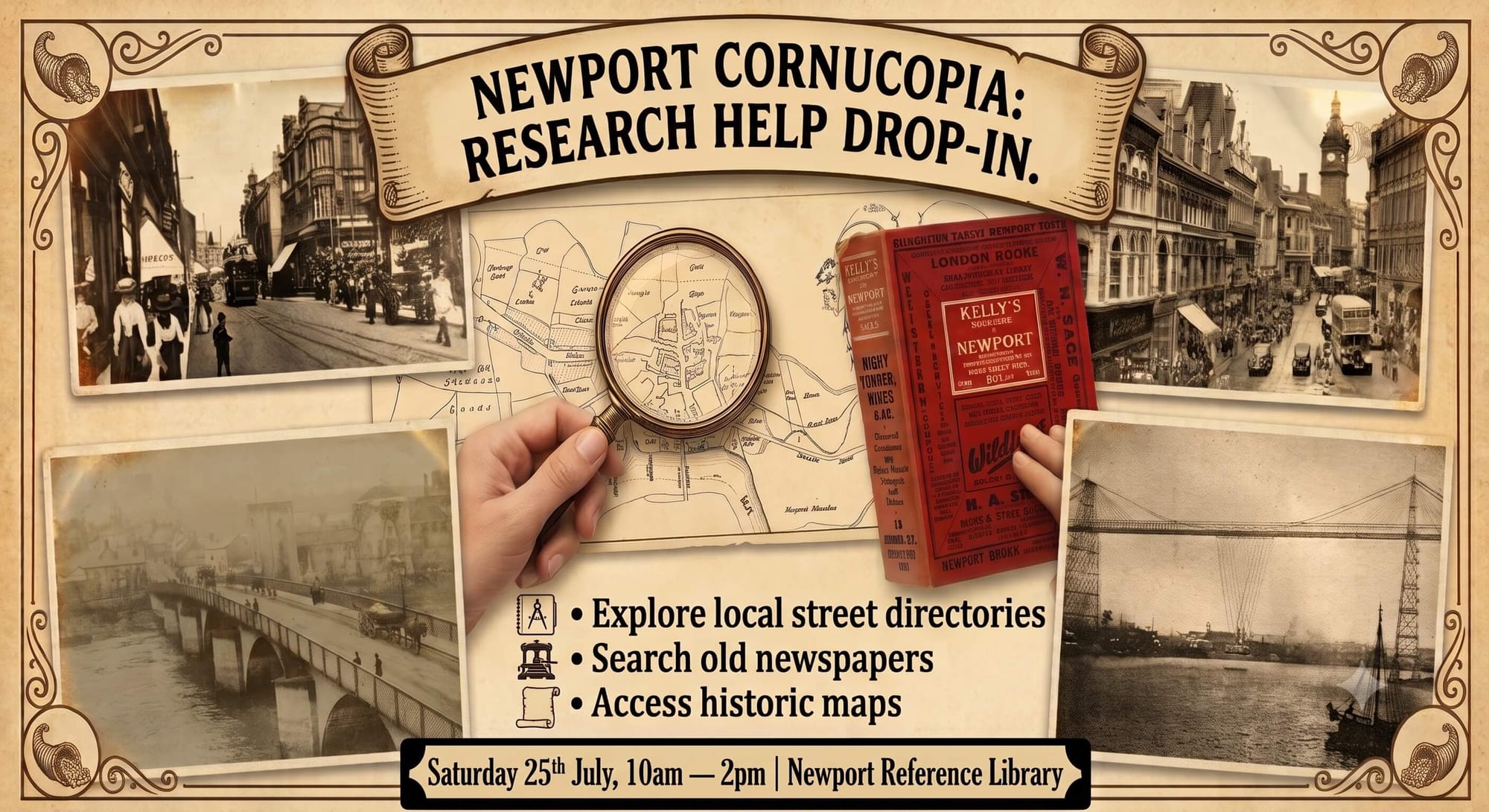
On Saturday 25th July, between 10am and 2pm, we’ll be running an informal local history drop-in session right there in the reference library.
If you have a specific project you are working on, want to know more about the history of your own street, or are just curious about how to get started, please pop by.
What we can look at together:
- Local Street Directories: The library holds fantastic physical volumes (like Kelly's Directories) that allow you to track who lived in a specific house or ran a shop on the High Street decade by decade.
- Premium Digital Archives: If you don't have personal subscriptions, you can use my access to paid resources like Ancestry and Newspapers.com to search for old family names, local news reports, or business announcements.
- Historic Side-by-Side Maps: I can show you how to use free, accurate digital mapping tools to overlay 19th-century Ordnance Survey maps directly on top of modern Newport streets to see exactly how your neighbourhood changed.
Sometimes the biggest hurdle isn't a lack of information, but knowing how to search the archives effectively to find the facts. Whether you have a single burning question or just want to see what materials are available, look out for the Newport Cornucopia table.
No booking is needed—just turn up between 10am and 2pm.
Hope to see you there!
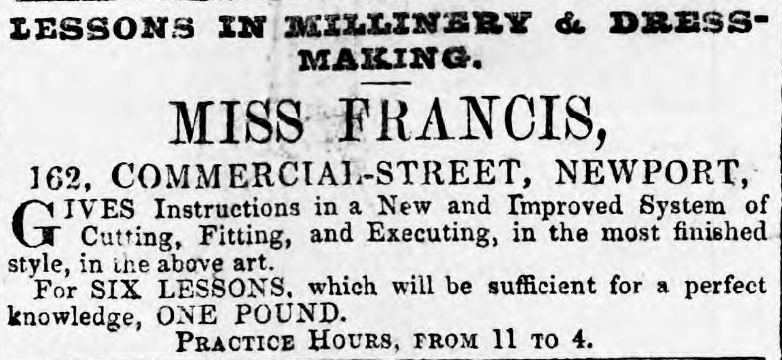
'Mr Charles Desmond and the Newport Circulating Library'
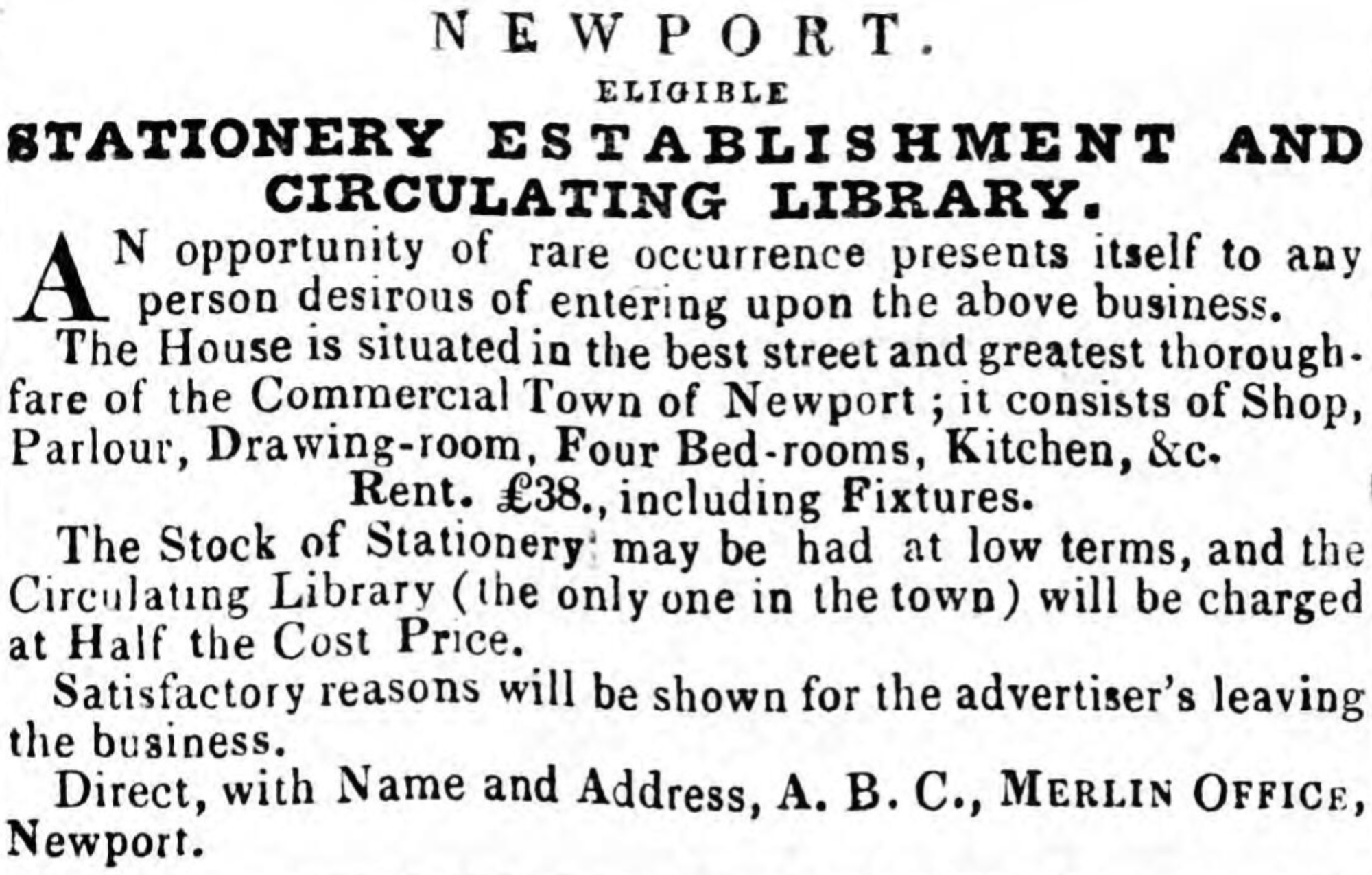
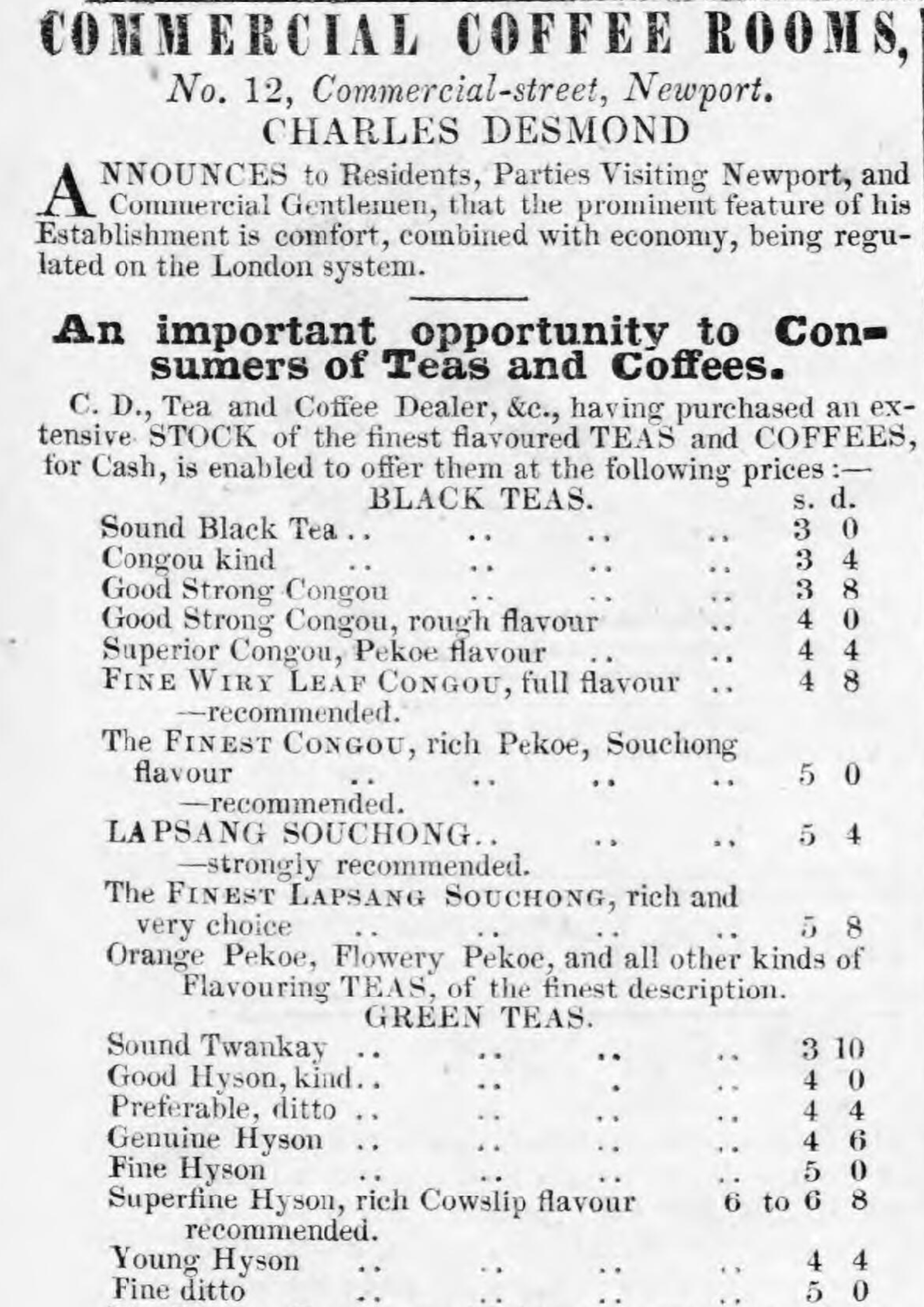
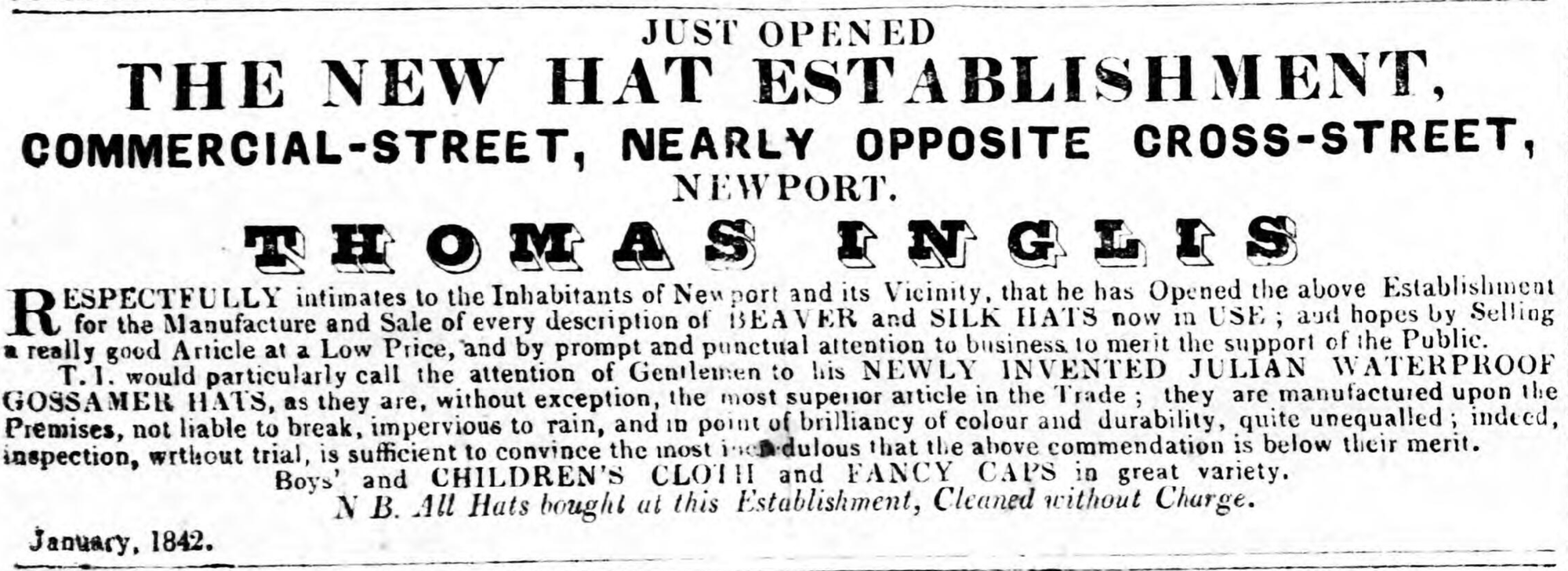
The circulating library was owned by Charles Desmond who had moved to Commercial Street by February 1842 and at the time was noted as being 'the only one in the town'.
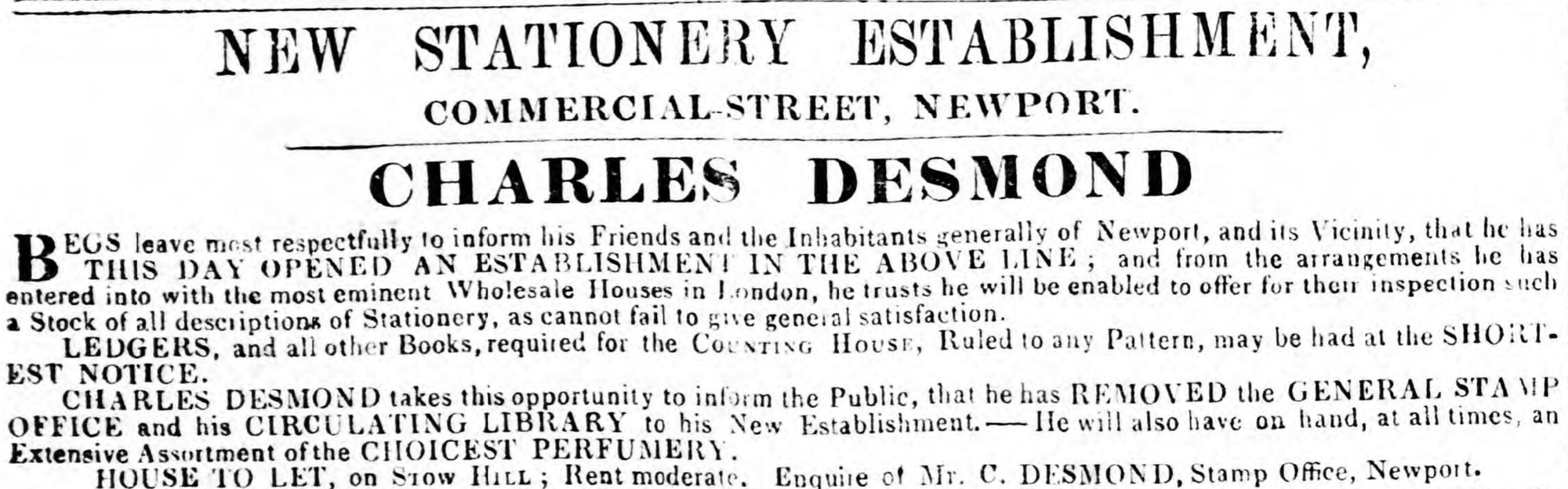
The advert mentions Stow Hill which was where he was prior to this new premises and from where he ran a stamp office. An advert in 1843 mentions the address as being 12 Commercial Street so is likely the location of the premises mentioned in the advert.
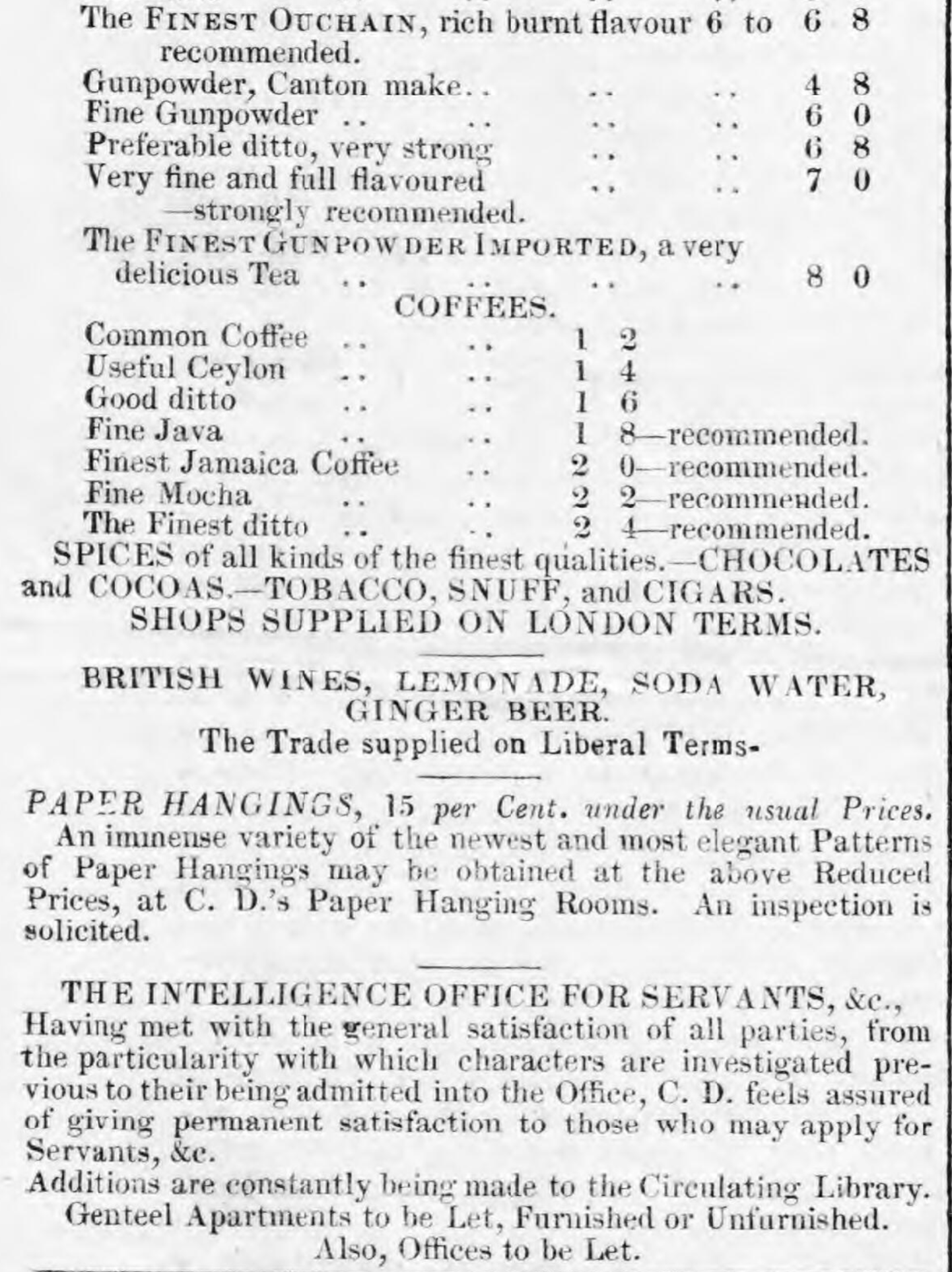
In addition to running the circulating library, he also ran the Commercial Coffee Rooms, sold wallpaper, let apartments and offices and ran the 'Intelligence Office for Servants' which served as a place for servants to register and be checked.
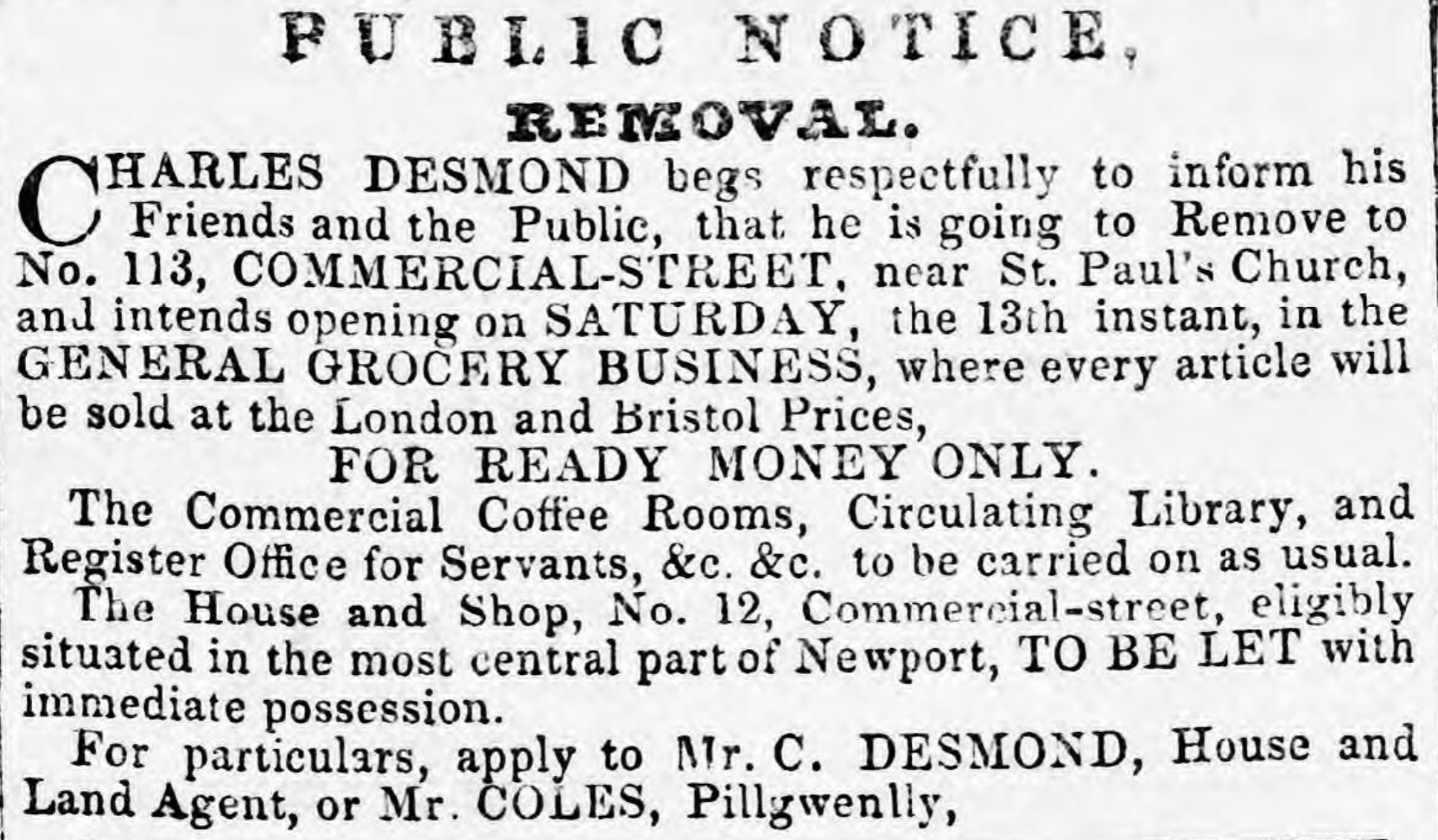
In September he moved to 113 Commercial Street where in addition to the Circulating Library and Register Office for Servants he was to open a grocery business where 'every article was sold at London and Bristol prices for ready money only'.
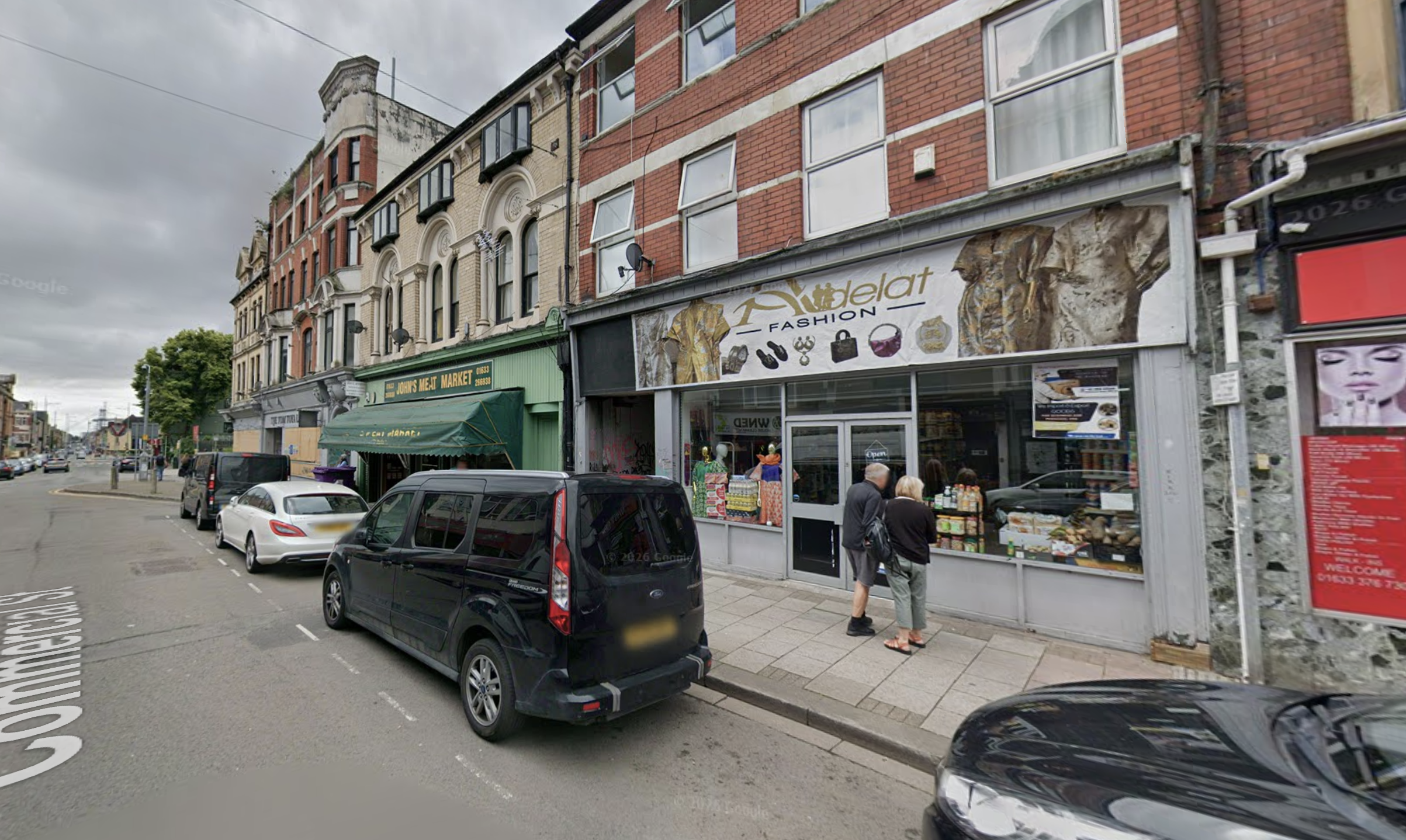
In a letter to the Monmouthshire Merlin in November, 1845, where Mr Desmond is mentioning running for the West Ward in the 1845 municipal election he signs off as 113 Commercial Street so the move to the new premises mentioned in September was completed. That property today is the building to the right of John's Meat Market but obviously not the original building.
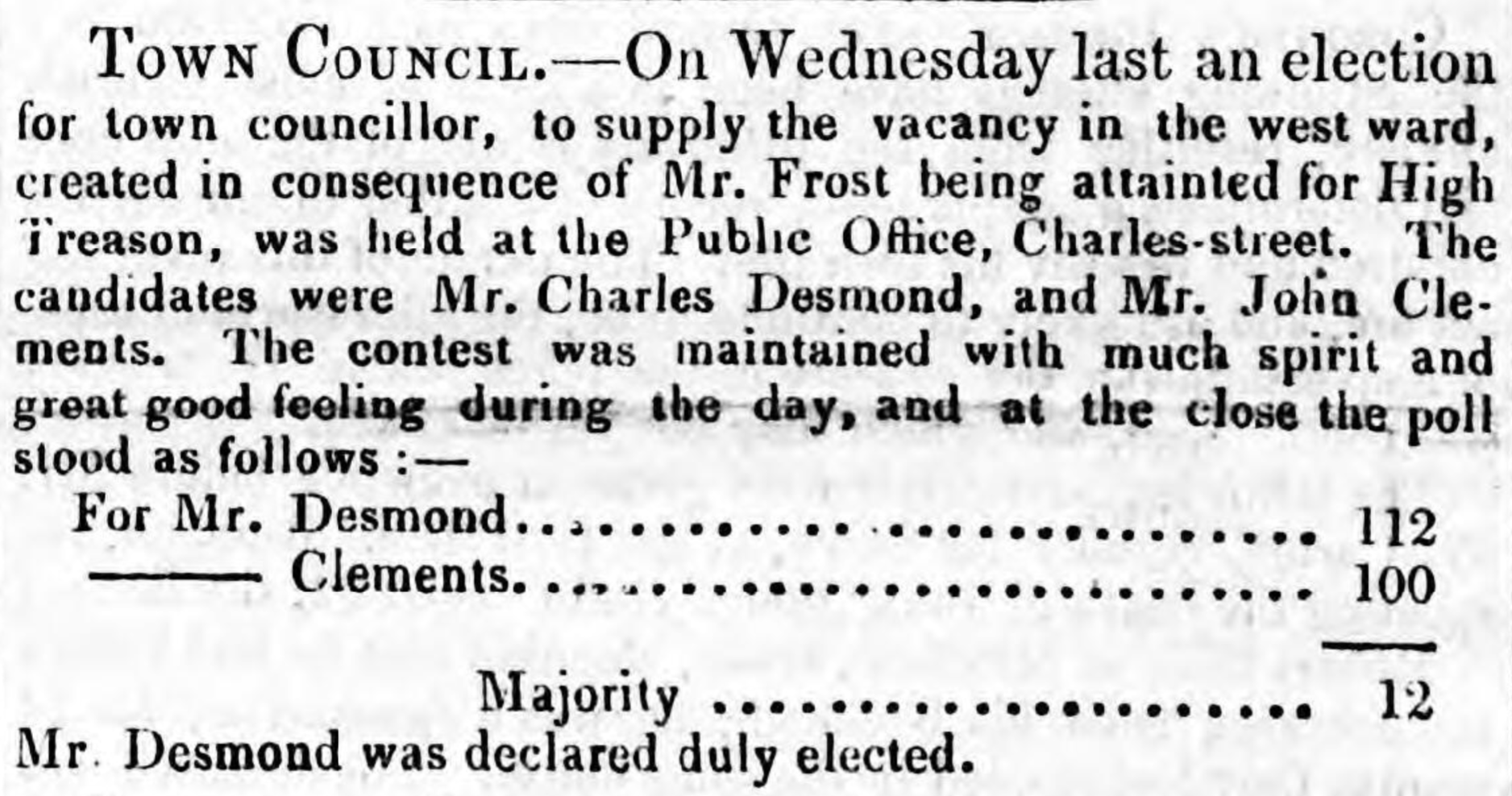
That wasn't the first time he had put himself forward for Councillor of the West Ward having been elected in 1840 when he took the seat of John Frost. He held the seat for a year and was then defeated in the 1841 elections.

'Wilfully Pushing Persons Off the Pavement'
Elizabeth Pugh and Hannah Davis, who were sentenced to one months imprisonment and hard labour, for creating a disturbance in thestreet, by using obscene and abusive language; and for an offence under the Town Act, that of obstructing the thoroughfare, and wilfully pushing persons off the pavement.
This is an offence of which we have frequently complained in this paper, and were happy to hear the Mayor express the determination he did, to do all in his power to suppress it. His Worship gave the most positive orders to all the officers to bring before the Magistrates all persons offending by obstructing the thoroughfares, which has become such an intolerable nuisance in the town.
We trust that these directions will he strictly attended to, and that our streets may in future be passable for respectable females which we believe for a considerable time they have not been, after dusk.
— Monmouthshire Merlin, 15th April, 1843
Disturbance in Llanarth Street
Sidney Tutton, William Rossiter, Samuel Tutton, and Ann Rossiter were charged with creating a disturbance in the White Hart beerhouse, Llanarth-street, and with assaulting the Police. Mr. Egling said the men broke some glass and furniture, and in consequence he gave them into custody of the police. P.O. Samways said, on Saturday night, about ten o'clock, he was fetched to the White Hart, and saw Rossiter and Sutton fighting. He tried to part them, but it was of no use. A mob of about 100 collected round the place, and Samuel Tutton struck the witness. The women pulled the man, and said he should not be taken to the station. P.C. Sutton corroborated this evidence.
Tutton and Rossiter denied fighting together and Mr. Alderman Evans observed that they appeared to have been taking "a friendly embrace" only. Their employer gave the men the character of being quiet and inoffensive. The charge was dismissed.
— Monmouthshire Merlin, 20th November, 1858
Stealing Mutton
John Taylor was charged with stealing a loin of mutton from the shop of Mr. White, butcher, Commercial-road. Mr. White's son said the prisoner was passing the shop abeut nine o'clock, when he pet his hand on to the steb in front of his shop, took up a of mutton, and ran away with it.
He was overtaken and given into custody. P.C. Chandler proved taking the man in charge. The prisoner pleaded guilty, but said he was drunk at the time, or he would not have done it. He added that he had lived in Newport 16 or 17 'years, and had never committed any improper act before. The Mayor told the prisoner that in consideration of that being his first appearance in a police court he would be dealt leniently with, but the Bench were compelled to sentence him to fourteen days imprisonment.
— Monmouthshire Merlin, 20th November, 1858
'Cottages For Sale in Malpas in 1832'

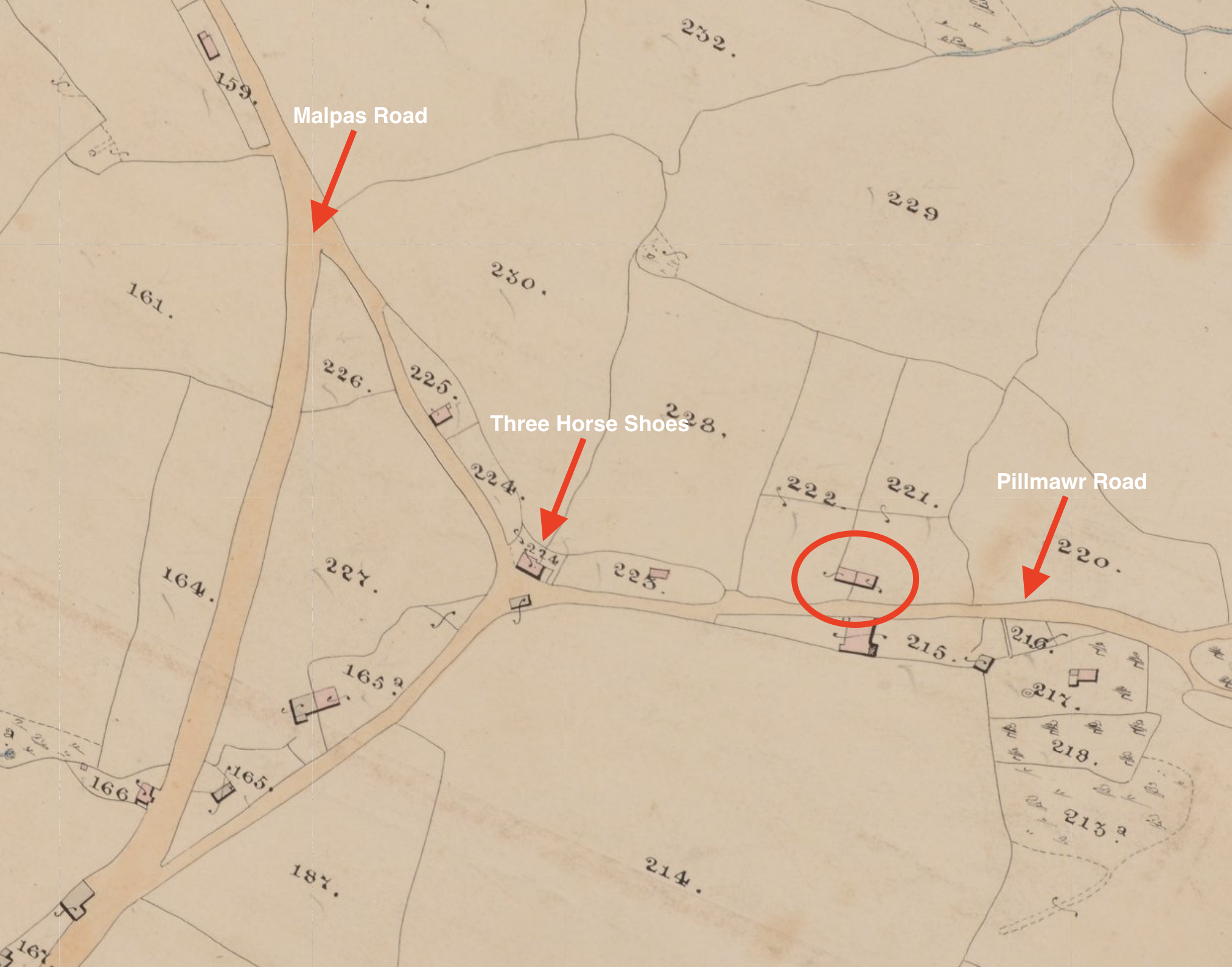
I always like finding adverts for properties in old newspapers and seeing if I can cross reference them with the old tithe/OS maps (even better if they still exist today). This advert from 1832 mentions two cottages for sale in Malpas and even though the tithe map is from 8 or 9 years after the advert the cottages are displayed on there.
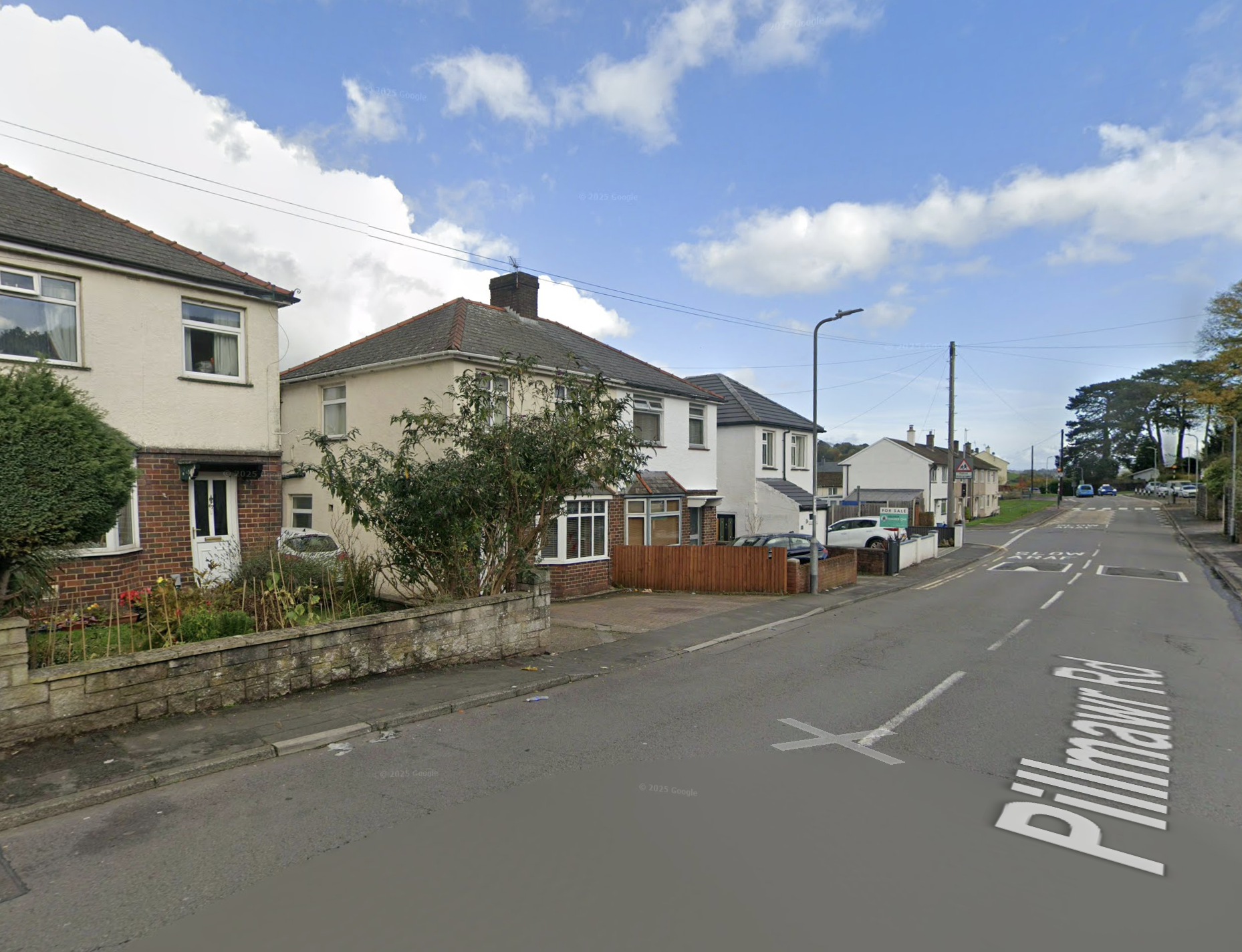
The location of the two cottages would have been the semi detached property in the middle of the street view image.
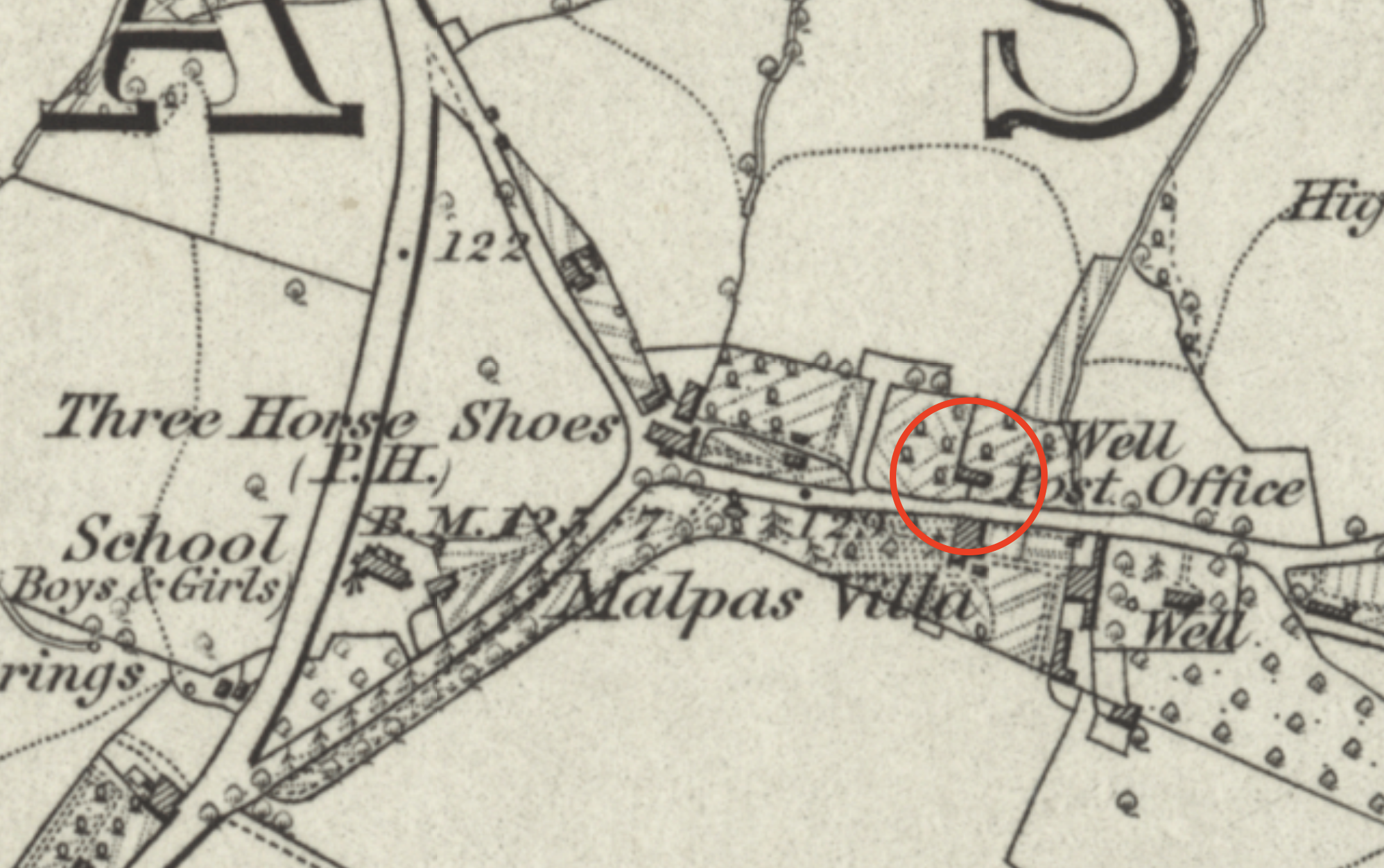
The Three Horse Shoes would likely have been there at the time of the advert and on a later map (no later than the 1880s) the property may have been a post office.
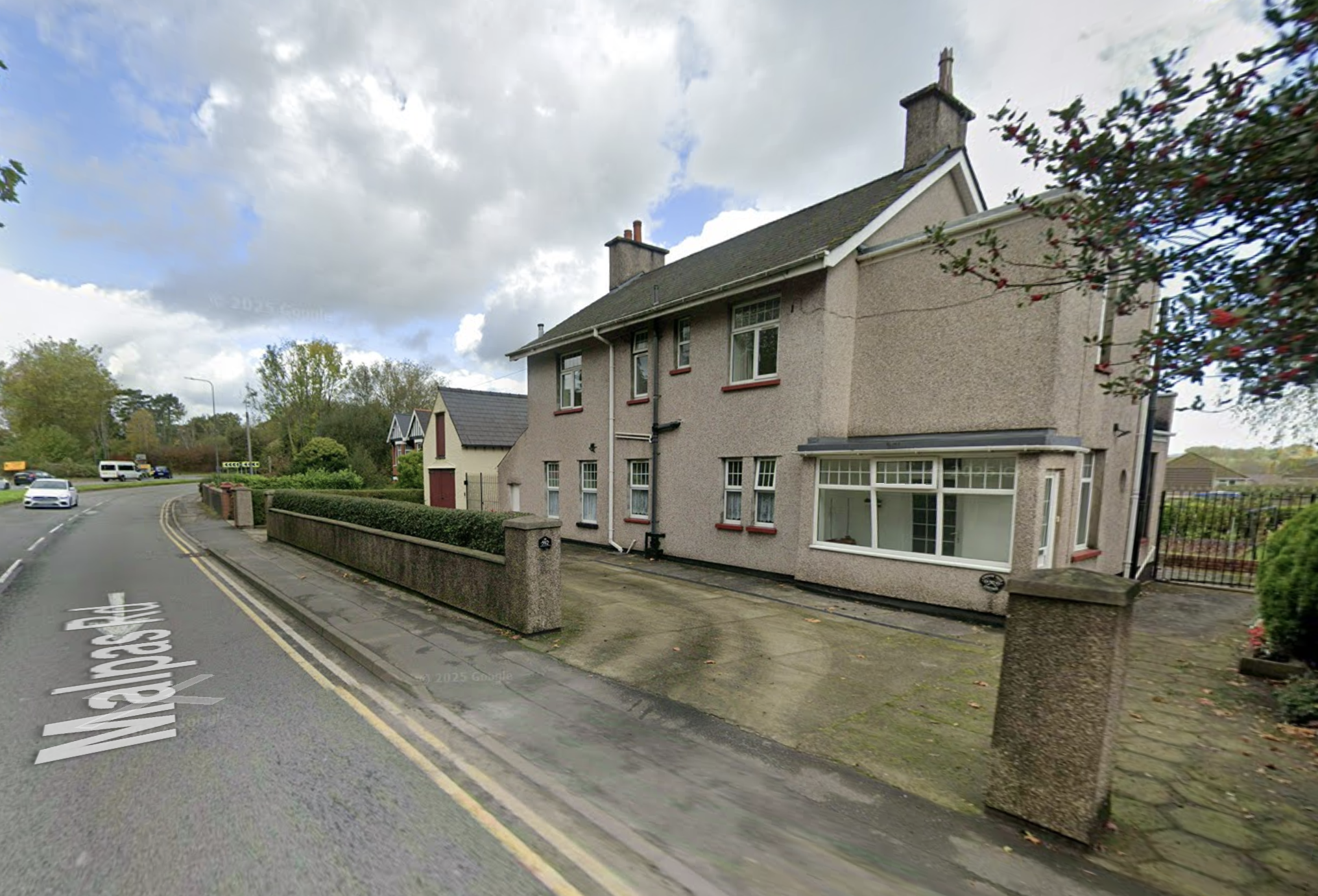
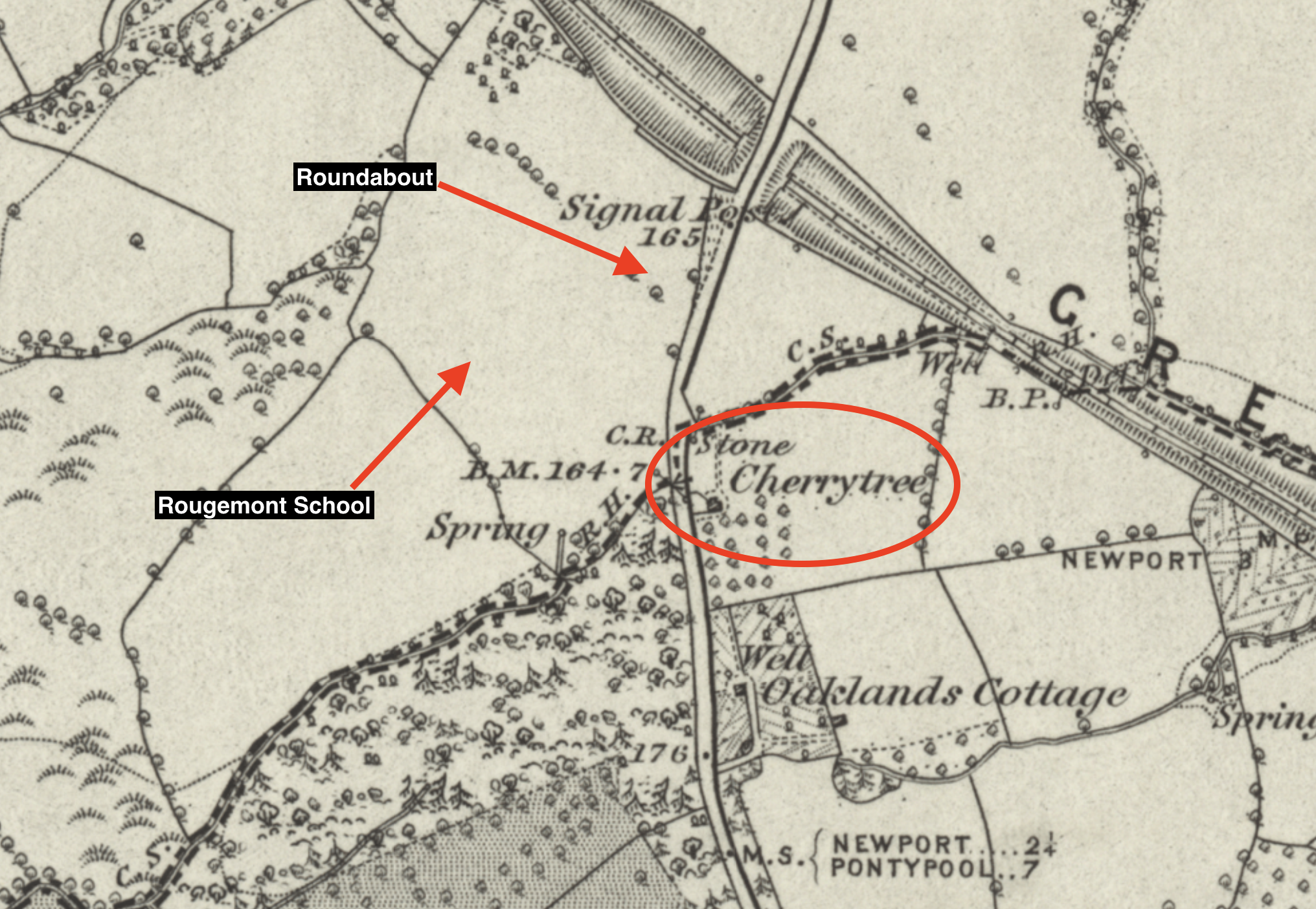
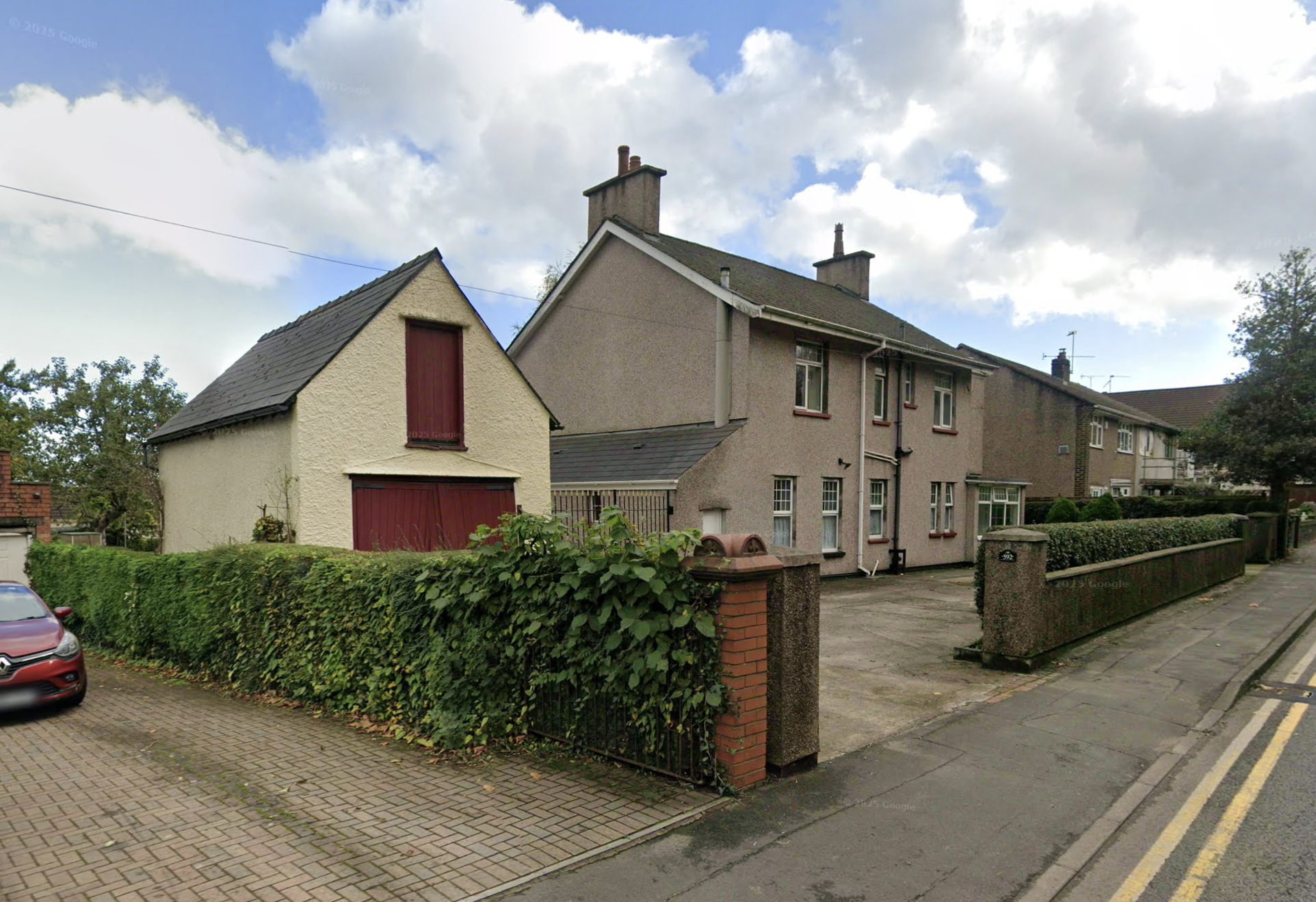
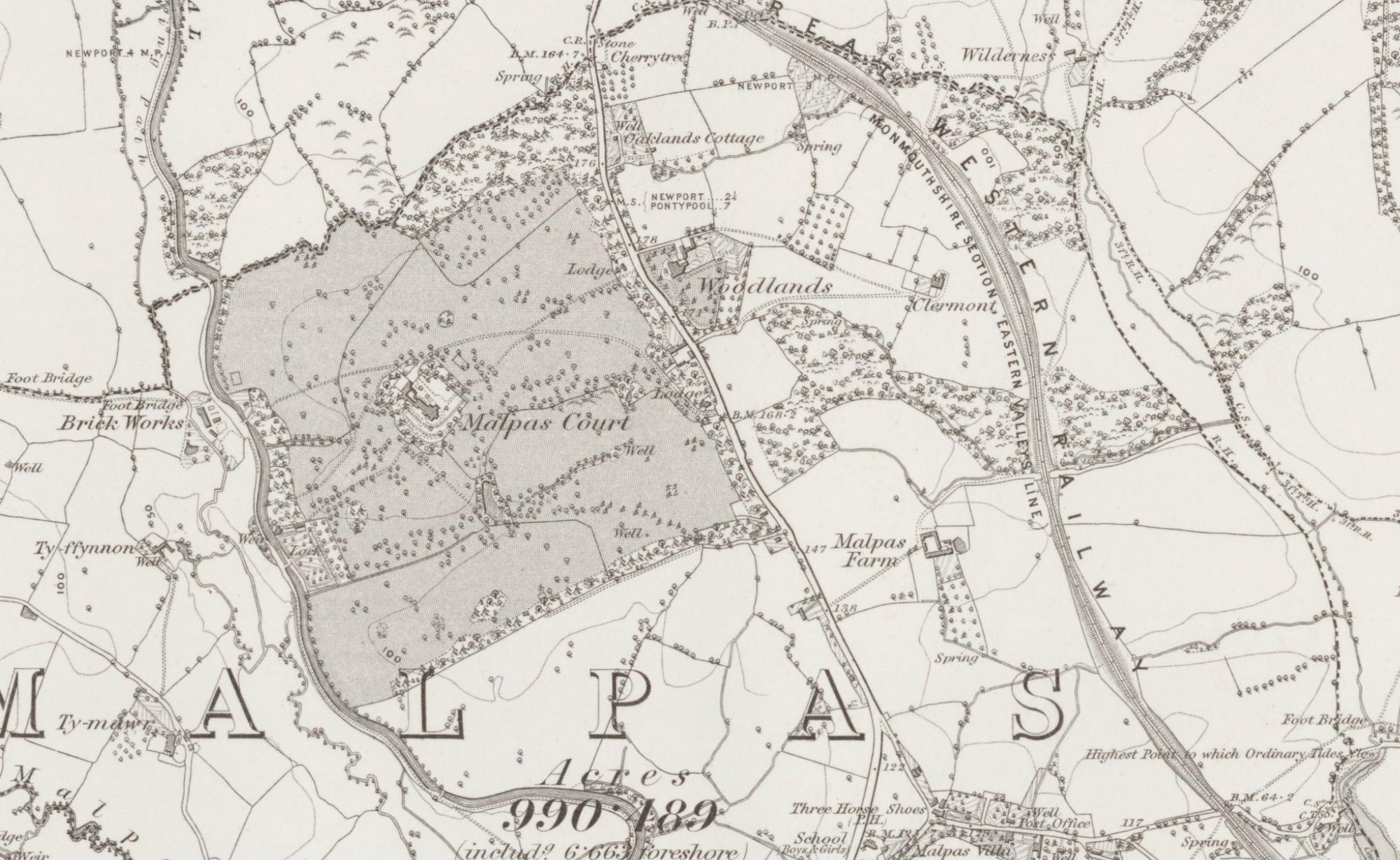
Whilst on the subject of Malpas, there are a few remnants of old Malpas still surviving and one of those is Cherrytree Cottage at the top of Malpas Road — one of the last houses on the road. There was a property on the tithe map of around 1840 and I'm not sure how much of the original house is original but the garage to the left of property looks like it could be original.
Burglary at Pill
On the morning of Saturday last, between the hours of two and four o'clock, the house of Mr. Harper, grocer, at Pill, was broken open and entered, and goods to a considerable amount stoled therefrom.
The burglars effected an entrance by cutting the sash of the parlour window, and then inserting a knife for the purpose of taking out the glass. Having done this, they were enabled to introduce a hand and push back the catch, and then open the window. They then entered the house and proceeded to the kitchen, the fastening of which they withdrew, and having gone outside took down the shutter; and so obtained light. They then forced open the shop door with the poker; which was found on the floor bent and nearly broken, in the morning.
They ransacked all the goods and carried away a considerable quantity, and all the money which happened to be left in the till. Being alarmed by the footsteps of Mrs. Harper, who hearing a noise below, got out of bed, they quickly decamped with their booty. We hope the vigilance of our police-officers will bring the offenders to justice.
— Monmouthshire Merlin, 4th May, 1839
Festivities at Malpas Court
The village of Malpas has, within the last few days, been the scene of festive rejoicings upon a somewhat imposing scale, the occasion being the coming of age of the eldest son of the Rev. Thomas Prothero, Rector of Malpas, Mr. Francis Prothero, of Balliol College, Oxford, and the Hertford scholar of that University—a gentleman of whose amiable disposition and scholastic acquirements it is almost needless here to speak.
The auspicious day was Friday, the fifth instant, when from an early hour cannon boomed forth, continuing at intervals throughout the day.
From the towers of Malpas Court, flags streamed in the breeze, and within was a scene of unusual brilliancy, gaiety, and hospitality.
A dinner-party took place, for which no less than 140 invitations had been issued. The company comprised members of all the principal families in this part of the county. Later in the evening, a ball was given by the proprietor of the court. The ball-room was magnificently appointed. The dresses of the ladies were superb and everything combined to render the scene peculiarly attractive. An excellent supper was served, the arrangements being upon a most liberal scale. Dancing was kept up with animation to the strains of an excellent band and the next morning bad considerably advanced ere the company ceased "to chase the hours with flying feet." Altogether the entertainment was of a very choice character, and the day will doubtless be remembered as one of the most agreeable ever spent by those who were present.
The proceedings of the following day were conducted with the same feeling of hospitality. Open house appeared to be the order of the day. The park was thronged with the farmers, workpeople, and other inhabitants of the neighbourhood, all of whom were accorded a hearty and genial welcome. The conservatories, &c., were thrown open for their pleasure while every facility for holding a good old English fete was provided, and for some hours appropriate rustic sports afforded much amusement for the crowd.
The coach-house and adjacent outbuildings had been comfortably fitted up, and converted into a commodious apartment; and here the guests, to the number of 300, were afterwards assembled to partake of dinner. And such a dinner! Two sheep, weighing about 230lbs. were roasted whole! These were supplied and skilfully carved by Mr. Hugh Morgan, of Newport: of beef, the supply was equally abundant; and the usual etceteras were also in profusion. The Rev. Thomas Prothero occupied the chair, and, with his wife and daughters, spared no exertion to secure the comfort and happiness of all around.
Subsequent to the repast, a number of toasts were proposed, among them being that of "Our kind entertainer, the Rector of Malpas," which was most cordially received. The rev. gentleman acknowledged the toast in kindly terms. Having referred to the occasion that had brought them together, he spoke of the assemblages of a somewhat similar nature which so frequently occurred in the olden times.
Those gatherings, he considered, tended to the promotion of a sympathy, strong and sincere, between the various classes who met together and he was happy to be the means of creating such a feeling. He expressed an earnest wish to see such meetings more frequently, being satisfied that benefit would result to all who came within their influence.
Dinner being concluded, the apartment was cleared for dancing, and all joined with alacrity, the first dance being led off by Mr. Decimus Prothero and Mrs Prothero. Tea was subsequently served, the family of Mr. Prothero again devoting themselves with great assiduity to the requirements of the visitors. The shades of evening had gathered around ere the proceedings closed and all departed with grateful and cordial feelings towards their benefactor.
The poorer families in the neighbourhood of Malpas Court were, after the festivities, presented with good and wholesome provisions, a graceful recognition of the desire of the humblest to participate in the festivities of the auspicious occasion.
— Monmouthshire Merlin, 13th November, 1858
The Newport Police Force
To the Editor of the Monmouthshire Merlin.
SIR,—I am induced to address you on a subject which has long attracted my notice, and which ought, in fact, to have claimed the more particular allention of the authorities, to whom the matter more immediately belongs, and that is, to the frequent inconvenience wgich we have lately witnessed, of the town being left without that protection for which the inhabitants are called upon so largely to pay.
I refer, sir, to the now common custom of our police being taken away from their duty, to go considerable distances, to protect a portion of the public, who do not contribute one single penny towards their support, and being there kept for several days, leaving our town in a state of perfect insecurity. As a contributor to the very burdensome rates of the borough — I consider I have a right to complain, and I trust that some of my fellow-townsmen, who have much more influence than the humble individual who now addresses you, will see the necessity of enquiring into this matter, so that we may not be left as we have been of late, so totally and shamefully unprotected.
I understand that the superintendant, one serjeant, and five policemen, have lately gone up to Blaina, for the purpose of assisting to quell some disturbance amongst the colliers. Now, sir, I take it that our police, appointed and paid by us in the borough, have no right to be called beyond the limits of their duty—a distance of more than twenty miles, leaving a population of fifteen thousand souls, whom they are paid to protect, to protect others who do not pay a farthing to their support.
It is a very pretty farce if we are to be called upon to keep up a police establishment, for the benefit of the whole county. It is really monstrous that we are thus left, subject to all kinds of depredations, to protect a portion of the public who do not contribute to our burdens.
It should be glad to know whether we could send to any part of the county, and order the police force there to come and remain here for days together, in order to preserve the peace of the town. Certainly not,—the answer would be, and a very proper one too. "If you want additional protection, swear in special constables."
These are times, sir, in which pounds, shillings, and pence become a serious consideration, more particularly when the tax gatherers and rate collectors have for the last four months been almost daily at our doors, demanding heavy contributions from the pockets of the inhabitants. I am told that there is now a demand of a borough rate of more than six hundred pounds, part of which is for the purpose of paying for security which we are presumed to receive from the police force; yet here we are, left with only two policemen to watch over the property of fifteen thousand persons.
I hope, Mr. Editor, you will, by the aid of your powerful pen, take notice of the subject, so that the attention of those persons whose duty it is to see these things may be speedily called to it. The police are for the sole protection of the town, and I repeat that it is monstrous and unjust that after paying the heavy price we do for that protection, we should be left entirely without it.
I am, Mr. Editor, yours faithfully,
A RATE PAYER. Newport, May 3, 1843.
— Monmouthshire Merlin, 6th May, 1843
'Train Feet Warmers'
Passengers by the trains in this neighbourhood have latterly experienced a very material addition to their comfort, by the introduction into the first-ctass carriages of feet-warmers, which are simply oblong iron boxes, filled with boiling water. The inconveniences arising from cold feet, are by this ingenious contrivance entirely obviated.
— Monmouthshire Merlin, 30th January, 1858


Member discussion